


A New World of Culinary Cartography
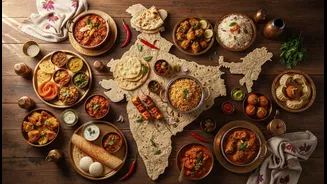
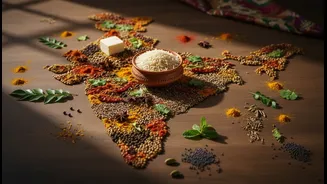
Indian food culture has officially entered its “Map Era.” This is not about a single app or website, but a widespread movement to visually document and celebrate the staggering diversity of the country’s cuisine. On one hand, you have beautifully illustrated
maps shared on Instagram and Pinterest, showcasing everything from the regional varieties of biryani to the many forms of mithai across states. On the other, you have ambitious projects like the AI-powered 'Bharat Taste Atlas' from researchers at IIIT Hyderabad, which aims to create a comprehensive, interactive guide to India's regional dishes. This new form of cartography is being driven by a diverse group of creators: chefs, food historians, graphic designers, and passionate home cooks. They are all, in their own way, redrawing the boundaries of what the world—and India itself—understands as “Indian food.”
Beyond Butter Chicken and Naan
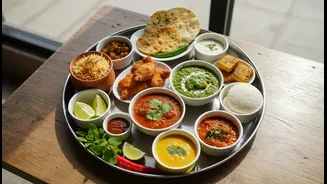
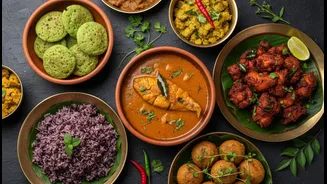
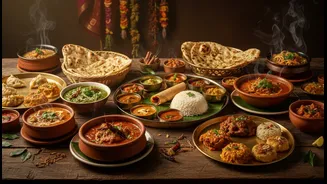
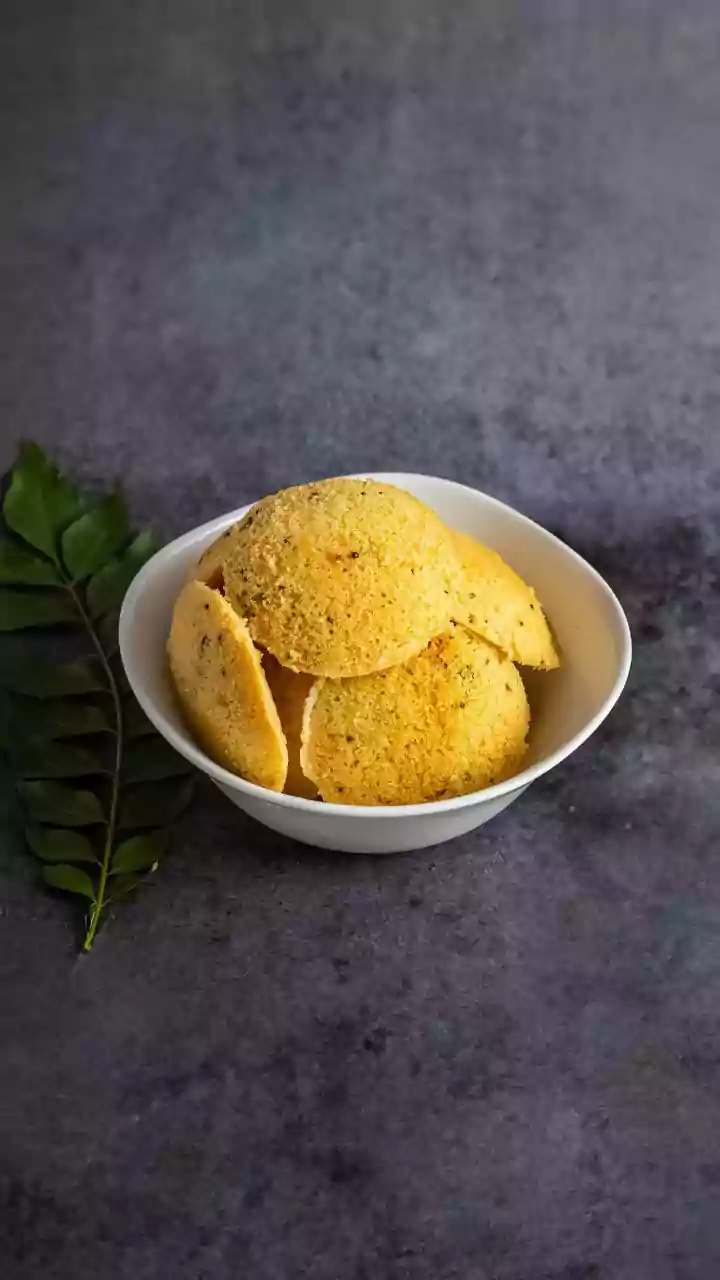
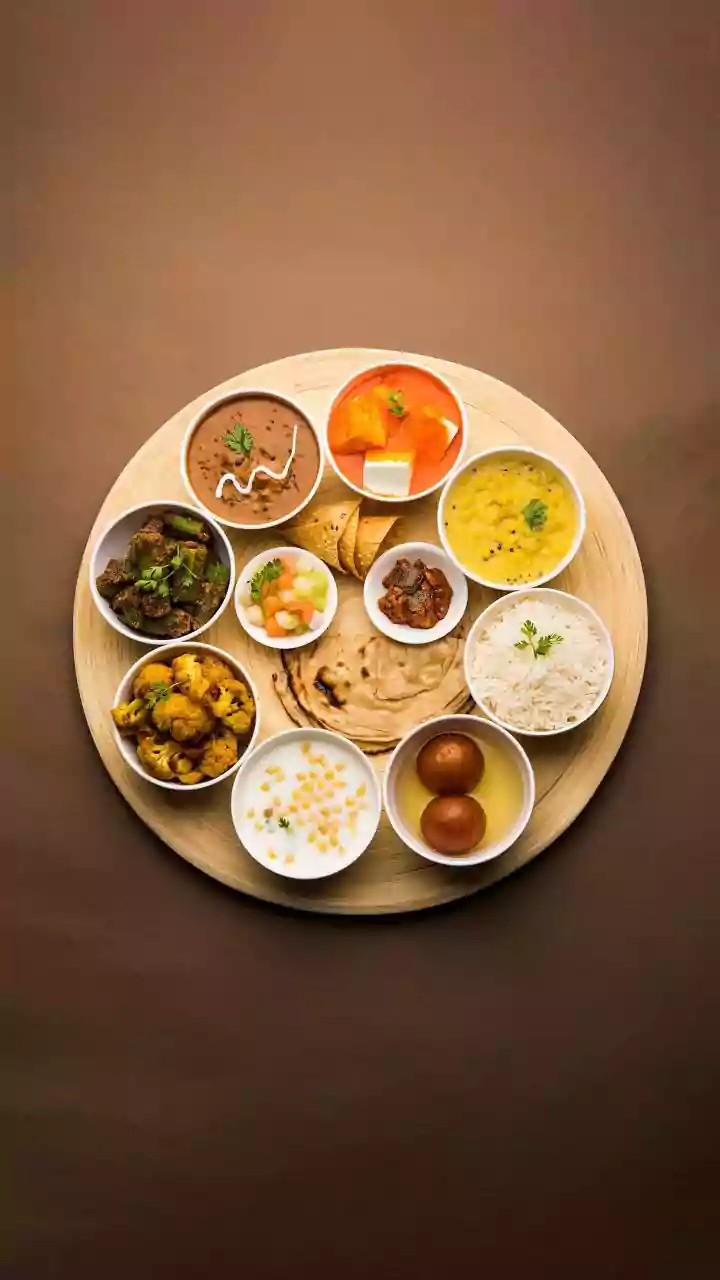
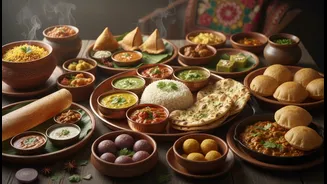
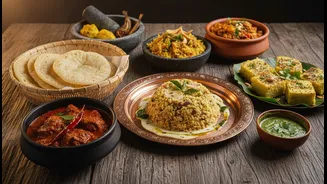
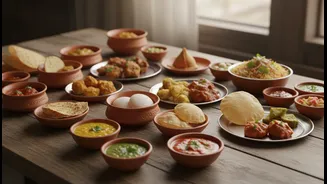
For decades, the perception of Indian food, both globally and sometimes within India, has been dominated by a few North Indian staples. Dishes like butter chicken, palak paneer, and naan, while delicious, represent only a tiny fraction of the subcontinent's culinary reality. The map era is a direct, vibrant, and visually compelling response to this oversimplification. By mapping out the distinct cuisines of Nagaland, the coastal delicacies of Kerala, the vegetarian thalis of Gujarat, and the unique sweets of Bengal, these creators are making a powerful statement. They are asserting that Indian food is not a monolith but a rich tapestry woven from countless regional threads, each with its own history, ingredients, and techniques. It's a collective effort to reclaim the narrative and showcase the true breadth of our gastronomic heritage.
The Map-Makers of Modern India
The pioneers of this movement are as diverse as the foods they champion. Michelin-starred chef Garima Arora, for instance, founded the non-profit 'Food Forward India' with the explicit goal of mapping the cuisine of every single state, starting with her birth state, Telangana. Then there are authors like Usha Prabhakaran, whose encyclopedic books like the 'Rasam Digest' meticulously document hundreds of variations of a single dish, essentially creating a micro-map of a beloved South Indian classic. Digital publications like The Better India have also joined the cause, creating shareable, thematic maps that trace the origins of street foods, summer drinks, and festive dishes. These efforts are not just about listing ingredients; they're about telling the stories behind the food and preserving cultural knowledge for a new generation.
A Tool for Discovery and Pride
Perhaps the most exciting aspect of the map era is its role as an educational tool. For many Indians, especially the younger generation living in urban centres, these maps serve as a gateway to discovering the culinary treasures of their own country. How many of us knew about the specific dishes of Kumaoni cuisine or the subtle differences between regional biryanis before they were so clearly and attractively laid out? This exploration is fostering a new sense of regional pride and encouraging people to look beyond their own plates. It prompts curiosity about the history of trade routes that brought certain spices to a region, the agricultural patterns that define local diets, and the community traditions embedded in festive meals. In this way, a simple food map becomes a starting point for a much deeper cultural conversation.