

The Problem with Maida
For decades, refined flour, or maida, has been the undisputed king of Indian baking. It’s prized for its ability to produce soft, light, and airy textures in everything from naan to pastries. However, the process that makes maida so appealing also strips
it of its nutritional value. Refining wheat removes the bran and germ, leaving behind only the starchy endosperm. This process eliminates most of the fiber, vitamins, and minerals. What's left is a high-glycemic-index food that can cause rapid spikes in blood sugar, and has been associated with health concerns like insulin resistance and weight gain when consumed regularly.
The Nutritional Power of Millets
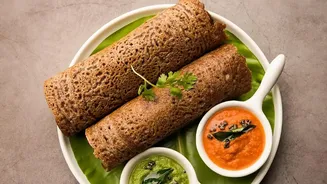
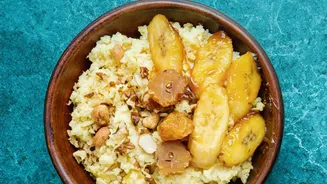
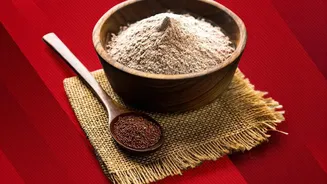
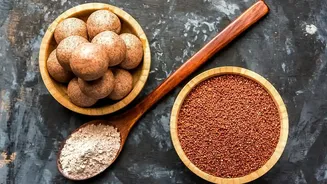
Enter ragi (finger millet) and jowar (sorghum), two traditional Indian grains that are making a major comeback. Once considered the food of rural communities, these millets are now being celebrated as superfoods. Unlike maida, they are nutritional powerhouses. Ragi is exceptionally rich in calcium, great for bone health, and has a high fiber content that aids in digestion and helps regulate blood sugar. Jowar is also packed with fiber, protein, and antioxidants, and is naturally gluten-free, making it an excellent choice for those with sensitivities. Both grains have a lower glycemic index compared to refined wheat, meaning they provide sustained energy without the sugar crash.
A Shift in Consumer Demand
This shift isn't just happening in the baker's kitchen; it's being driven by customers. Today's consumers are more health-conscious than ever. They are reading labels, questioning ingredients, and seeking out foods that are not just tasty but also nourishing. The demand for 'clean label' products—with fewer, more natural ingredients—is on the rise. This growing awareness, fueled by wellness trends and a renewed interest in traditional food wisdom, has created a thriving market for healthier alternatives to mainstream baked goods. Bakeries are simply responding to a clear call for change from the people they serve.
The Baker's Creative Challenge
Swapping maida for millet flour isn't a simple one-to-one substitution. Ragi and jowar are gluten-free, which poses a significant challenge for bakers. Gluten is the protein that gives dough its elasticity and structure, helping it to rise and hold its shape. Without it, bakes can turn out dense, dry, or crumbly. However, innovative bakers are embracing this challenge. They are experimenting with different flour blends, sometimes mixing millet flours with a small amount of whole wheat to improve workability. They are also using natural binding agents like psyllium husk, flaxseed, and eggs to achieve the desired texture in gluten-free recipes. This has sparked a wave of creativity, pushing the boundaries of what's possible with traditional Indian grains.
Beyond the Loaf: A World of Millet Bakes
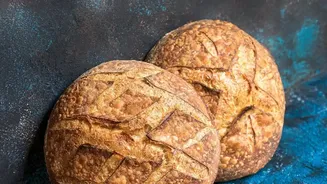
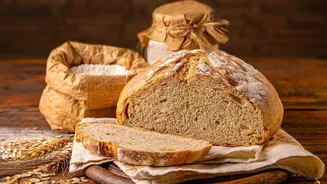
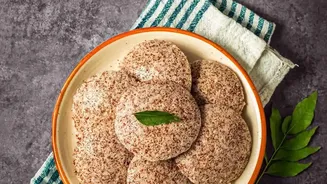
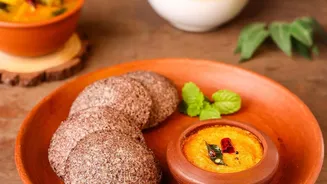
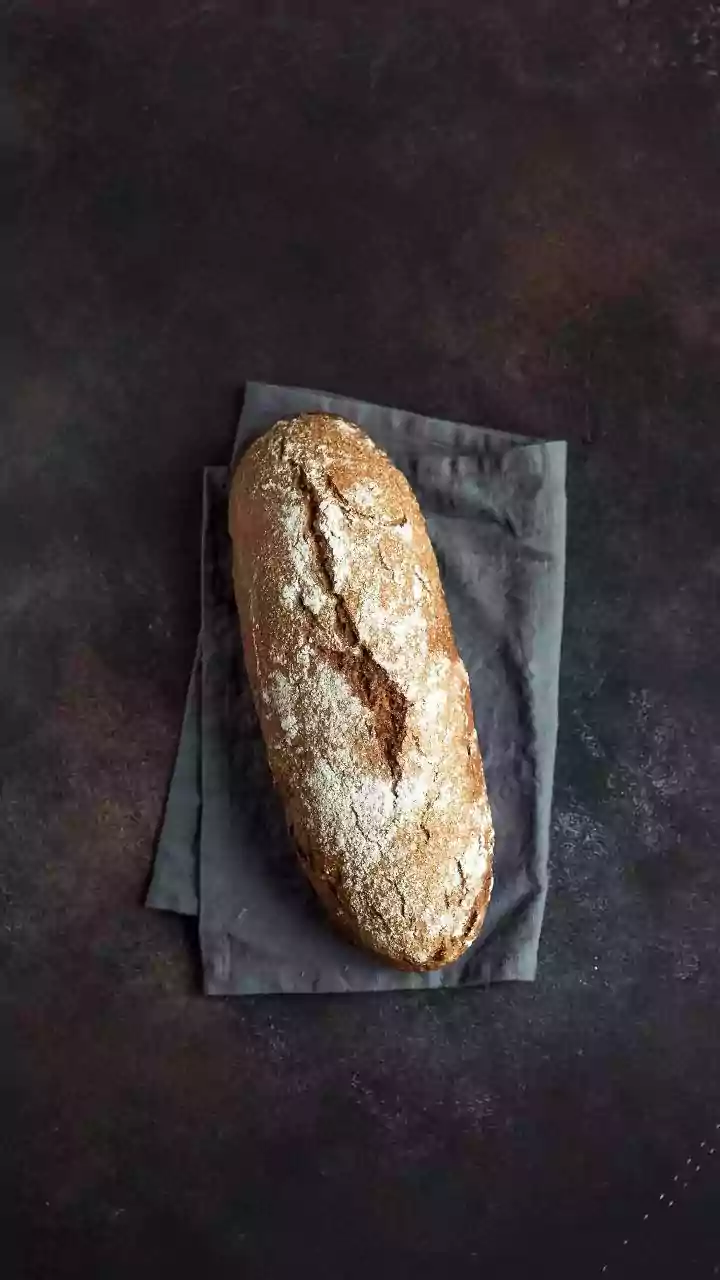
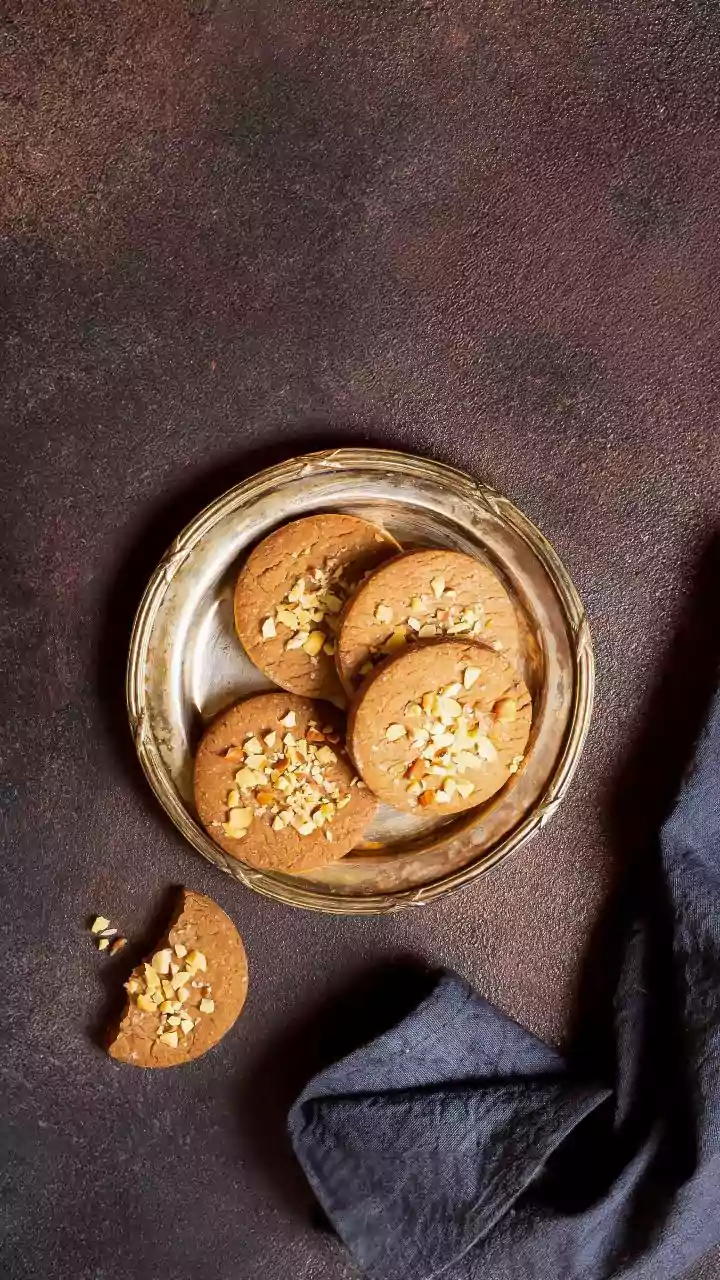
The trend extends far beyond just bread. Creative bakers are incorporating ragi and jowar into an exciting array of products. You can now find ragi brownies that are rich and fudgy, jowar cookies with a satisfying crunch, and millet-based cakes, muffins, and crackers. This versatility demonstrates that healthy eating doesn't have to be boring. By reimagining traditional grains in modern formats, bakeries are proving that you can have your cake and eat it too—and it can be made with nutritious, wholesome ingredients that connect to India's rich culinary heritage.