








The Unsung Hero of Your Plate
So, what exactly is this magical ingredient? In simple terms, dietary fibre is the part of plant-based foods that your body can't digest or absorb. Unlike fats, proteins, or carbohydrates, which your body breaks down, fibre passes relatively intact through
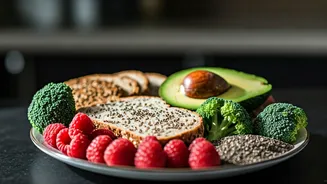
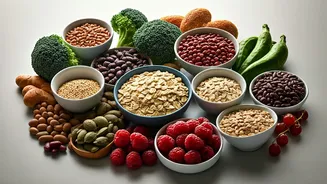
your stomach, small intestine, and colon. It might not sound glamorous, but this humble component plays a starring role in our overall health, particularly when it comes to managing hunger and maintaining a healthy weight. Think of it as the structural scaffolding of plants—found in vegetables, fruits, whole grains, and legumes.
The Science of Satiety
The reason fibre is a game-changer for feeling full is rooted in simple science. Firstly, high-fibre foods require more chewing, which slows down your eating and gives your brain more time to register that you're full. Secondly, once in your stomach, certain types of fibre absorb water and swell, forming a gel-like substance. This increases the volume of your food, physically filling up your stomach and slowing down the rate at which it empties. The result? You feel fuller for longer. This slow-release effect also helps stabilise blood sugar levels, preventing the sharp spikes and crashes that can trigger cravings for unhealthy snacks.
Meet the Two Types of Fibre
Fibre isn't a one-size-fits-all deal. It comes in two main forms, and both are important: **Soluble Fibre:** This is the type that dissolves in water to form that helpful gel. It's fantastic for lowering blood cholesterol and glucose levels. You can find it in foods like oats (dalia), barley, apples, citrus fruits, carrots, and legumes like dals and beans. **Insoluble Fibre:** This type doesn't dissolve in water. It adds bulk to your stool and helps food pass more quickly through the digestive system, promoting regularity and preventing constipation. It's found in whole-wheat flour, nuts, cauliflower, green beans, and potatoes.
Easy Fibre Swaps for Your Indian Kitchen
Incorporating more fibre doesn't require a complete diet overhaul. Small, consistent swaps can make a huge difference: - **Grains:** Switch from white rice to brown rice or millets like jowar, bajra, and ragi. Instead of using only refined wheat flour (maida), opt for whole wheat atta or a mix of millet flours for your chapatis and rotis. - **Breakfast:** Trade your regular poha for one made with brown or red rice flakes. Swap sugary cereals for a bowl of plain oats (dalia) topped with fresh fruit and seeds. - **Snacks:** Instead of fried snacks or biscuits, reach for a handful of almonds, walnuts, or roasted chickpeas (chana). A piece of fruit like an apple or guava is also a fantastic, fibre-rich option. - **Lentils and Legumes:** Make dals, chana, and rajma a regular feature in your meals. They are powerhouses of both protein and fibre.
A Word of Caution: Go Slow
While fibre is fantastic, suddenly adding a huge amount to your diet can lead to uncomfortable gas, bloating, and cramping. Your digestive system needs time to adjust. The key is to increase your intake gradually over a few weeks. Add one new high-fibre food at a time and see how your body feels. Most importantly, as you increase your fibre intake, you must also increase your water intake. Fibre works best when it can absorb water, so aim to drink plenty of fluids throughout the day to help it do its job effectively.