

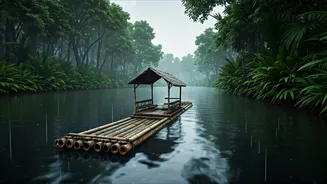


An Escape from the Everyday
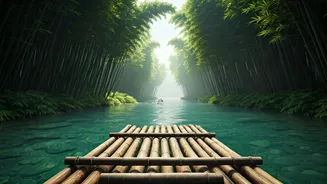
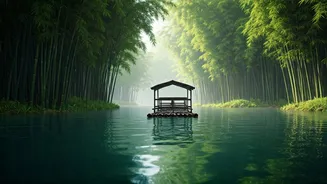
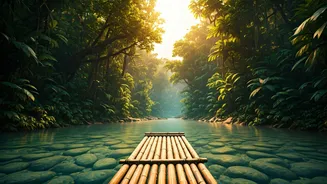
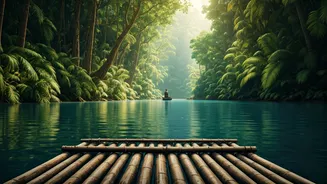
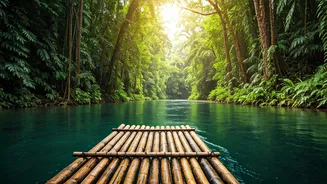
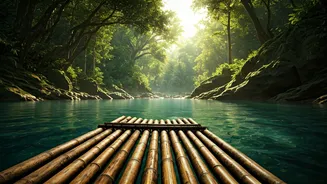
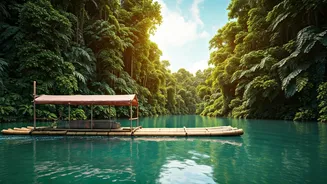
In a world of high-speed thrills and adrenaline-pumping adventures, bamboo rafting offers a welcome counterpoint: the luxury of slowness. It’s not about conquering the river; it’s about surrendering to its gentle rhythm. Constructed from sturdy bamboo poles
lashed together, these simple, rustic vessels have been used for centuries for transport and fishing. Today, they offer a unique form of eco-tourism that lets you become a quiet observer in nature’s theatre. The only sounds are the rhythmic dip of the guide’s pole into the water, the chorus of unseen insects, and the whisper of the wind through the leaves. It’s a meditative experience, forcing you to disconnect from digital distractions and reconnect with the world in its most elemental form.
Why the Monsoon Is Magical
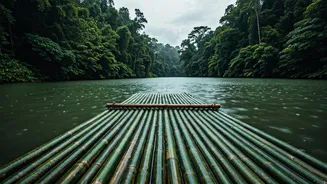
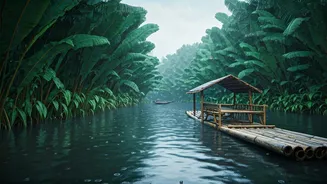
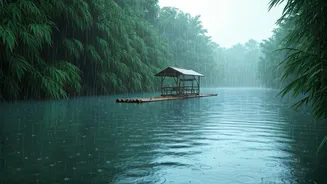
Most people associate the monsoon with staying indoors, but for bamboo rafting, it’s the season of peak enchantment. The rain breathes life into the landscape, transforming it into an impossibly lush paradise. The parched earth of summer gives way to a carpet of emerald green, and the forests feel heavy, ancient, and alive. Rivers, swollen and confident, carry the raft with a gentle but steady purpose. A light drizzle creates a mystical atmosphere, with mist clinging to the hillsides and shrouding the trees in a soft, ethereal glow. The air is clean, cool, and filled with the petrichor—the intoxicating scent of rain meeting dry earth. Far from being a hindrance, the rain becomes an integral part of the immersive, sensory experience.
Kerala’s Green Sanctuary: Thekkady
Perhaps the most iconic bamboo rafting experience in India is within the Periyar Tiger Reserve in Thekkady, Kerala. Here, the journey takes place on the serene Periyar Lake. The programme is a full-day or half-day affair, often guided by members of local tribal communities who possess an unparalleled knowledge of the forest. As you drift along the water’s edge, the silence is often broken by a rustle in the undergrowth or a call from the canopy. This is one of the best ways to spot wildlife in its natural habitat. Herds of elephants coming down to the water to drink, sambar deer grazing peacefully, and a dazzling array of birdlife—from kingfishers to hornbills—are common sights. The guides navigate silently, pointing out flora and fauna you would otherwise miss, making the trip both a peaceful retreat and an educational adventure.
Coorg’s Whispering Waters
Another sublime destination for bamboo rafting is Coorg in Karnataka, particularly on the gentle stretches of the Kaveri (Cauvery) river. The experience here is subtly different from Thekkady’s wild expanse. The river winds its way through a landscape dotted with coffee plantations, spice gardens, and dense forests. The currents are typically calm, making it a perfect activity for families and those seeking pure relaxation. The journey near Dubare Elephant Camp is especially popular, offering a chance to float past groves of bamboo and witness the serene beauty of the Kodagu region. It’s a quieter, more pastoral experience, focused on the lush greenery and the calming flow of one of South India’s most sacred rivers.
Preparing for Your Float
The beauty of bamboo rafting lies in its simplicity, and preparing for it is just as straightforward. Dress in comfortable, quick-drying clothes; you will likely get a little wet from the rain or splashes. Wear sturdy, non-slip footwear. Leave valuables and non-essential electronics behind to fully embrace the experience—or at the very least, carry them in a waterproof dry bag. Most organised rafting trips provide life jackets and adhere to strict safety protocols, so listen to your guide’s instructions. It’s wise to book in advance, especially during peak tourist seasons. A hat and sunscreen are advisable even on cloudy days, but the most important thing to bring is a sense of wonder and a willingness to go slow.