



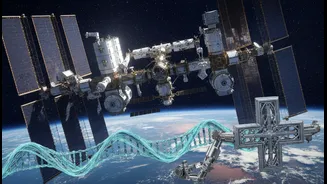


Meet the Astronaut-Physician
Anil Menon, a US Space Force colonel and emergency medicine physician, is far from a typical astronaut. Born in Minnesota to Indian and Ukrainian immigrants, his career has been a unique blend of medicine, military service, and aerospace innovation. Before
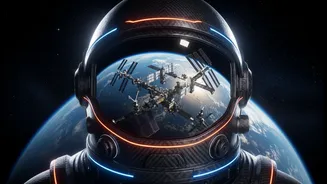
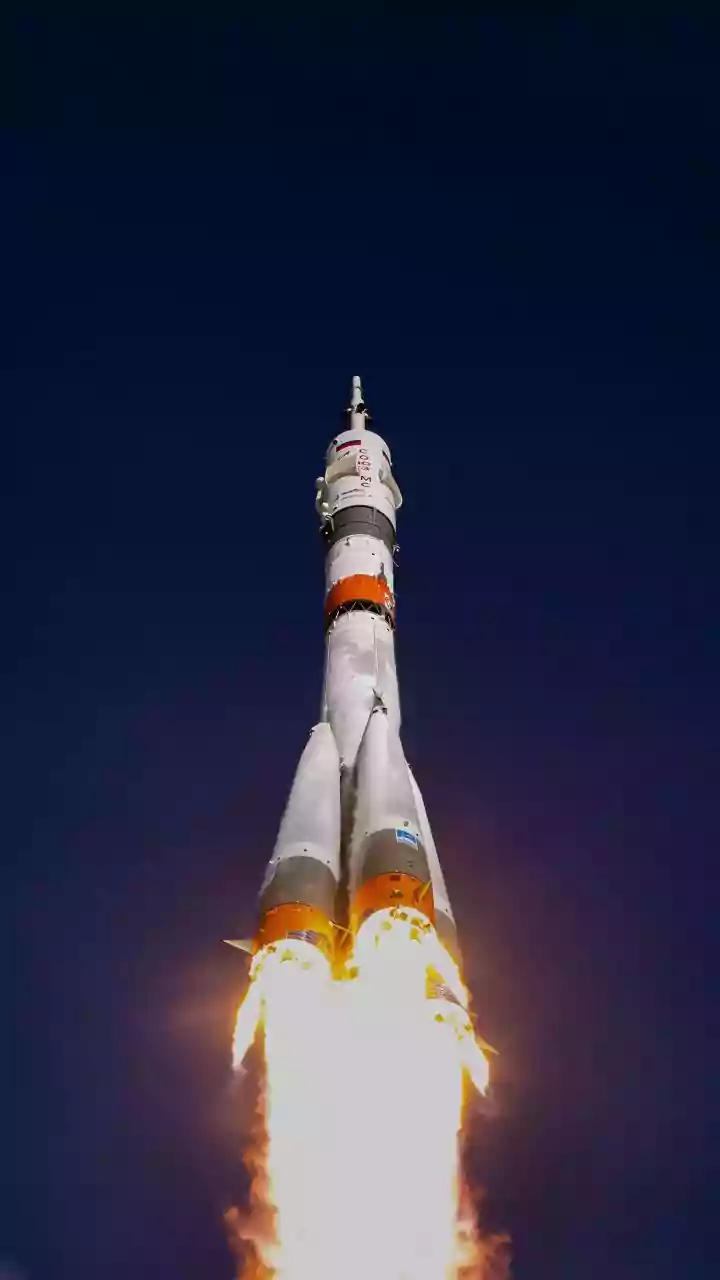
being selected for NASA's 2021 astronaut class, he served as SpaceX's first-ever flight surgeon, where he helped launch the company's first human missions and built their medical program from the ground up. His resume also includes providing medical care during earthquakes in Haiti and Nepal, working with climbers on Mount Everest, and serving as a flight surgeon in the U.S. Air Force. He even spent a year in India as a Rotary Scholar supporting polio vaccination efforts. This diverse experience on Earth, often in extreme and resource-limited environments, makes him uniquely qualified for the challenges of his upcoming eight-month mission aboard the ISS, scheduled to launch on July 14, 2026.
Decoding Space Medicine
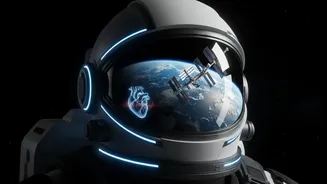
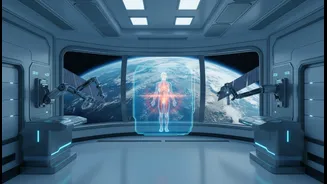
Space medicine is a specialized field focused on keeping astronauts healthy in the hostile environment of space. Without Earth's gravity and protective atmosphere, the human body undergoes significant, and mostly negative, changes. Astronauts face muscle atrophy, bone density loss at a rate of 1-2% per month, and a weakened immune system. Fluids shift towards the head, which can cause vision problems—a condition known as Spaceflight-Associated Neuro-ocular Syndrome (SANS). Furthermore, exposure to space radiation significantly increases the long-term risk of cancer. As a flight surgeon, Menon's job is to understand, monitor, and counteract these effects. During his mission, he will conduct experiments studying how microgravity impacts blood flow and vein structure. He will also test technologies for producing IV fluids from the station's drinking water, a crucial step for enabling long-duration missions to the Moon and Mars where carrying all medical supplies is impossible.
Fitness: The Ultimate Countermeasure
If space is trying to break down the human body, then a rigorous fitness routine is the first line of defence. On the ISS, astronauts must exercise for about two to two-and-a-half hours every single day. This isn't just to stay in shape; it's a critical medical countermeasure. Without it, muscle and bone would waste away, making it difficult to perform tasks and dangerous to return to Earth's gravity. Since you can't lift a weight that has no weight, the ISS is equipped with specialized gear. The Advanced Resistive Exercise Device (ARED) uses vacuum cylinders to simulate free weights, allowing for squats, deadlifts, and bench presses. A special treadmill and stationary bike use harnesses and bungee cords to hold the astronauts down, enabling them to get the essential cardiovascular workout their hearts need to stay strong. This intense regimen helps mitigate bone loss, maintain muscle mass, and ensure astronauts are fit enough to handle emergencies and readjust to life back on Earth.
From Orbit to Earth: The Broader Impact
The research conducted by astronauts like Anil Menon has benefits that extend far beyond the space station. Understanding how the body adapts to microgravity provides unique insights into aging, osteoporosis, immune deficiencies, and cardiovascular health on Earth. For example, studying the rapid bone loss experienced by astronauts helps researchers develop better treatments for osteoporosis patients. Similarly, the challenges of providing medical care in an isolated, extreme environment drive innovations in telemedicine and remote diagnostics that can be applied in rural or disaster-stricken areas on our own planet. Menon will also work on refining the in-space production of semiconductor crystals, which could lead to breakthroughs in manufacturing components for high-performance computers and advanced medical devices back on Earth. His mission is a reminder that the quest to explore space is also a powerful engine for improving life here at home.