

Why Checking Your Route Is Non-Negotiable
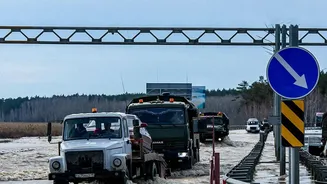
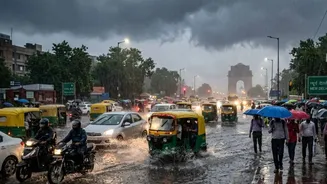
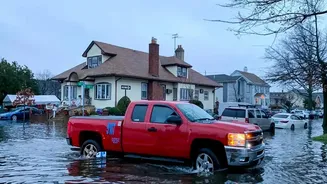
During the monsoon, familiar roads can become unrecognisable and dangerous within minutes. Recent downpours on August 24, 2026, caused widespread waterlogging and traffic snarls across the region, with areas like the Zakhira underpass, Connaught Place,
and parts of Gurugram and Noida being severely affected. The primary risks are not just delays, but safety hazards like submerged potholes, open manholes hidden by murky water, and vehicle breakdowns in flooded stretches. Six inches of water is enough to reach the bottom of most cars, and a foot of it can cause many vehicles to lose traction or even float. Checking your route beforehand isn't just about convenience; it's a critical safety step to avoid these hazards.
Your Digital Toolkit for Monsoon Navigation
Before you even pick up your keys, leverage the technology in your pocket. Real-time traffic apps like Google Maps or Waze are your first line of defence, showing traffic density and reported slowdowns. For official updates, the Delhi Traffic Police frequently posts advisories and information on waterlogged areas on its social media handles. These platforms provide specific details about road closures and diversions, which can be invaluable during sudden, heavy showers. Keeping an eye on weather apps can also give you a heads-up on intense spells of rain, allowing you to delay or reroute your journey.
Prepare Your Vehicle for the Gauntlet
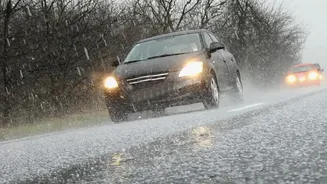
A pre-drive check is only half the battle; your vehicle must also be monsoon-ready. The most critical components are your tyres, brakes, and wipers. Ensure your tyres have adequate tread depth to grip wet roads and prevent aquaplaning. Worn-out wipers that leave streaks can dangerously impair vision and should be replaced. Your braking system must be in top condition, as stopping distances increase on wet surfaces. Also, check all your lights—headlights, taillights, and indicators—as visibility is often poor during a downpour. Using low-beam headlights makes you more visible to others without blinding oncoming traffic.
Safe Driving on Waterlogged Roads
If you encounter a flooded street, the safest action is to find an alternative route. If you must proceed, assess the depth; if the water level is higher than the centre of your wheels, do not attempt to cross. Drive slowly and steadily in a low gear, keeping the engine revs high to prevent water from entering the exhaust. Avoid sudden braking or acceleration. Maintain a greater distance from the vehicle in front of you to allow for longer braking distances. A common mistake is to use hazard lights while moving; this can confuse other drivers and should only be used when your vehicle is stationary.
Know the Chronic Hotspots
Certain areas in Delhi-NCR are notorious for flooding. Historically, stretches like the ITO intersection, Munirka, the approach to New Delhi Railway Station, and parts of NH-48 near Narsinghpur in Gurugram are prone to severe waterlogging. In Noida, areas around Sector 62 and Sector 100 have also reported issues. While authorities work on desilting and drainage, these low-lying areas remain vulnerable during intense rainfall. Being aware of these chronic hotspots can help you plan your commute more effectively, especially on days with heavy rain forecasts.
What to Do If You Get Stuck
If your car stalls in water, do not attempt to restart the engine. Doing so can cause water to be sucked into the engine, leading to catastrophic and expensive damage known as a hydro-lock. Your first priority is safety. Turn on your hazard lights. Assess the situation: if the water is shallow and stationary, you may be able to exit the vehicle safely. If the water is deep or moving, it is often safer to stay in the car, lower a window for an escape route, and call for emergency services or roadside assistance. Never underestimate the force of moving water; it can be deceptive and powerful.