





The Ultimate Summer Duo
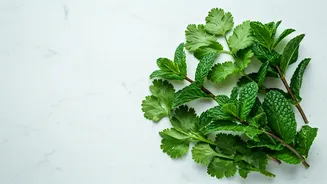
Pudina (mint) and dhaniya (coriander) are more than just a garnish; they are the heart of Indian summer cuisine. Their pairing is a masterclass in balance. Mint brings a sharp, cooling freshness, while coriander offers a bright, citrusy, and earthy note.
Together, they cut through the richness of heavy food, lighten up salads, and form the backbone of countless condiments that define the season. From bustling city street food stalls to quiet family dining tables, this combination signals the arrival of warmer days and the craving for something that is both flavourful and invigorating. They are not just ingredients; they are a sensory experience, a fragrant reminder of home-cooked comfort and the simple joys of seasonal eating.
The Iconic Green Chutney
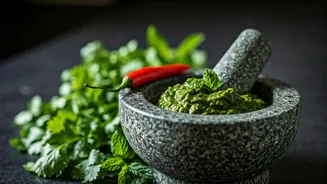
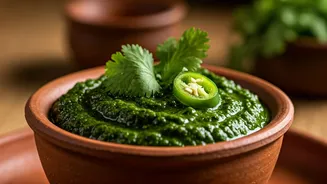
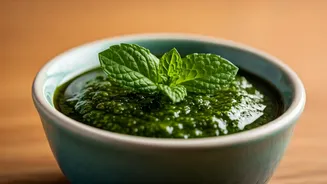
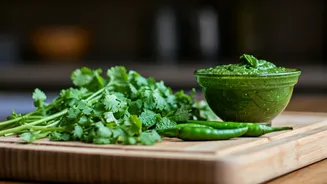
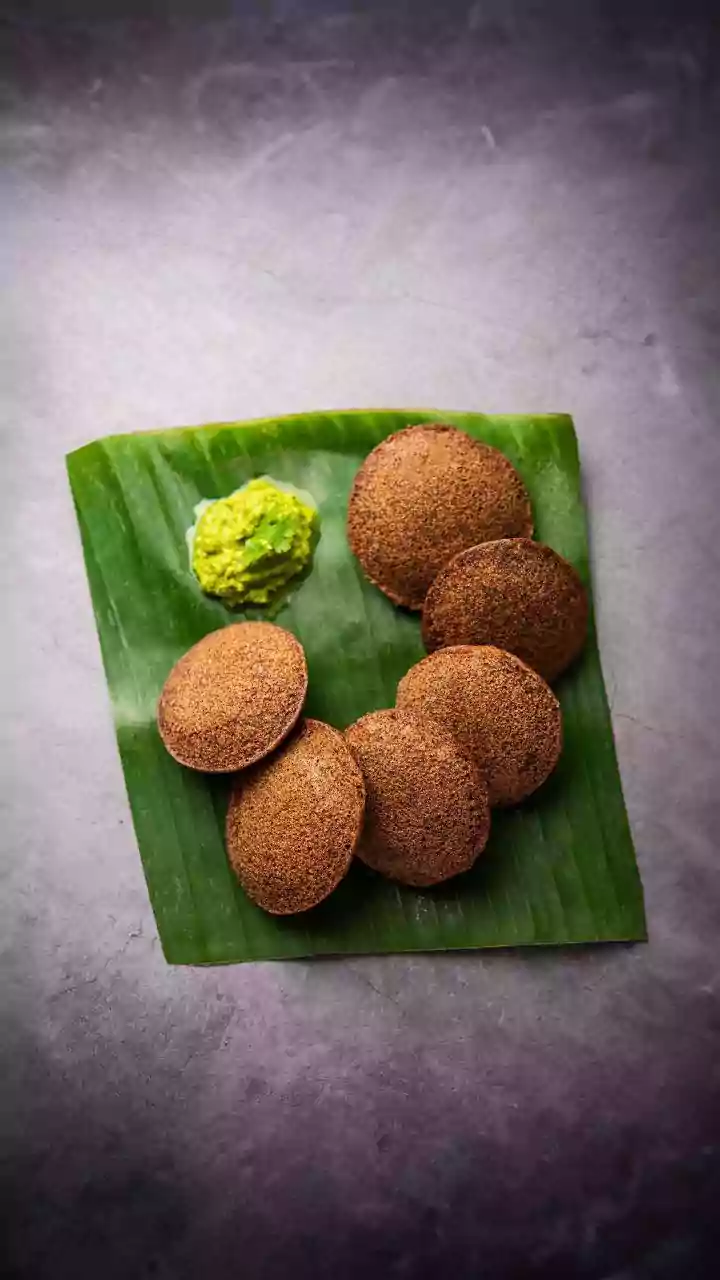
No discussion of mint-coriander is complete without honouring the king of condiments: the green chutney. It's the versatile dip, spread, and flavour-enhancer that accompanies everything from samosas and pakoras to sandwiches and dhoklas. While every family has its own secret recipe, the core remains the same. To make a classic batch, blend one cup of fresh coriander leaves with half a cup of mint leaves. Add a green chilli or two for heat, a small piece of ginger for zing, a spoonful of lemon juice for brightness, and a pinch of salt and sugar to balance the flavours. Some like to add a bit of onion, garlic, or even a spoonful of yoghurt for a creamier texture. The result is a burst of fresh, pungent flavour that can elevate any dish from ordinary to extraordinary.
Beyond the Chutney Bowl
While the chutney is legendary, the duo’s talents extend far beyond it. Finely chopped mint and coriander can be stirred into raita for an instantly cooling side dish that pairs perfectly with spicy biryanis and curries. They form the aromatic base for marinades, especially for grilled paneer or chicken tikka, infusing the protein with their fresh essence. Sprinkle a generous handful over a finished dal tadka, vegetable sabzi, or pulao right before serving. This simple act, often dismissed as 'garnish', is actually a crucial final layer of flavour and aroma, releasing the herbs’ volatile oils and transforming the dish. Don’t be shy with the quantity; think of them as a key ingredient, not just a decoration.
The Art of Cooling Down
When the temperatures soar, nothing beats a refreshing drink, and mint and coriander are here to help. The most famous is perhaps the nimbu pani or shikanji, where muddled mint leaves add an extra layer of coolness to the sweet and salty lemon drink. You can also create a simple, detoxifying infused water by adding a few sprigs of mint and coriander to a jug of cold water. Let it sit for an hour to allow the flavours to meld. For a modern twist, blend coriander, mint, cucumber, and a touch of black salt with water for a green juice that is both hydrating and revitalising. Or, try adding a mint-coriander paste to your buttermilk (chaas) for a flavourful digestive.
A Fresh Dose of Wellness
Beyond their culinary appeal, both mint and coriander are celebrated in traditional home remedies for their wellness properties. Mint is famously known for its ability to aid digestion and soothe an upset stomach. Its cooling sensation, thanks to the compound menthol, provides a feeling of relief from the heat. Coriander is packed with antioxidants and is also considered to be good for digestion and detoxification. Both herbs are rich in vitamins and offer a simple way to add a nutritional boost to your meals. While they are not a cure for any ailment, incorporating these fresh herbs into your daily diet is a delicious way to support your overall well-being during the challenging summer months.
Smart Storage Secrets
The only downside to fresh herbs is their short shelf life. To keep your pudina and dhaniya fresh for longer, start by washing them thoroughly and patting them completely dry. For coriander, you can trim the ends and place the bunch in a jar with an inch of water, like a bouquet of flowers, covering the leaves loosely with a plastic bag. For mint, a better method is to wrap the dry leaves in a paper towel and store them in a zip-lock bag or airtight container in the refrigerator. This prevents them from turning black and mushy, ensuring you have a fresh supply ready for your next culinary creation.