







Why Your Gut Needs Extra Care
As the skies open up, our internal systems tend to slow down. According to Ayurveda, the ancient Indian science of wellness, the monsoon season (Varsha Ritu) is dominated by an aggravated Vata dosha, which governs movement in the body. This, combined
with the damp, humid weather, weakens our 'agni' or digestive fire. A weaker digestive fire means food isn't processed as efficiently, leading to common issues like indigestion, gas, bloating, and a higher susceptibility to water-borne infections. This is why a heavy, oily dinner that you might enjoy in winter can leave you feeling uncomfortable and lethargic during the rains. The goal for a monsoon dinner is simple: choose foods that are light, warm, and easy for your system to handle.
Start with a Soothing Soup
Instead of jumping straight into a heavy main course, begin your dinner with a warm, light soup. This isn't the time for creamy, rich bisques. Think clear broths and traditional shorbas. A simple mixed vegetable soup, a comforting tomato rasam spiced with black pepper and cumin, or a moong dal shorba can work wonders. These warm liquids help to kindle the digestive fire, hydrate your body, and provide essential nutrients without burdening your stomach. Adding a bit of ginger, garlic, and turmeric to your soup not only enhances the flavour but also adds powerful anti-inflammatory and anti-bacterial properties, giving your immunity a much-needed boost during this season.
The Perfect Main: Light Grains and Lentils
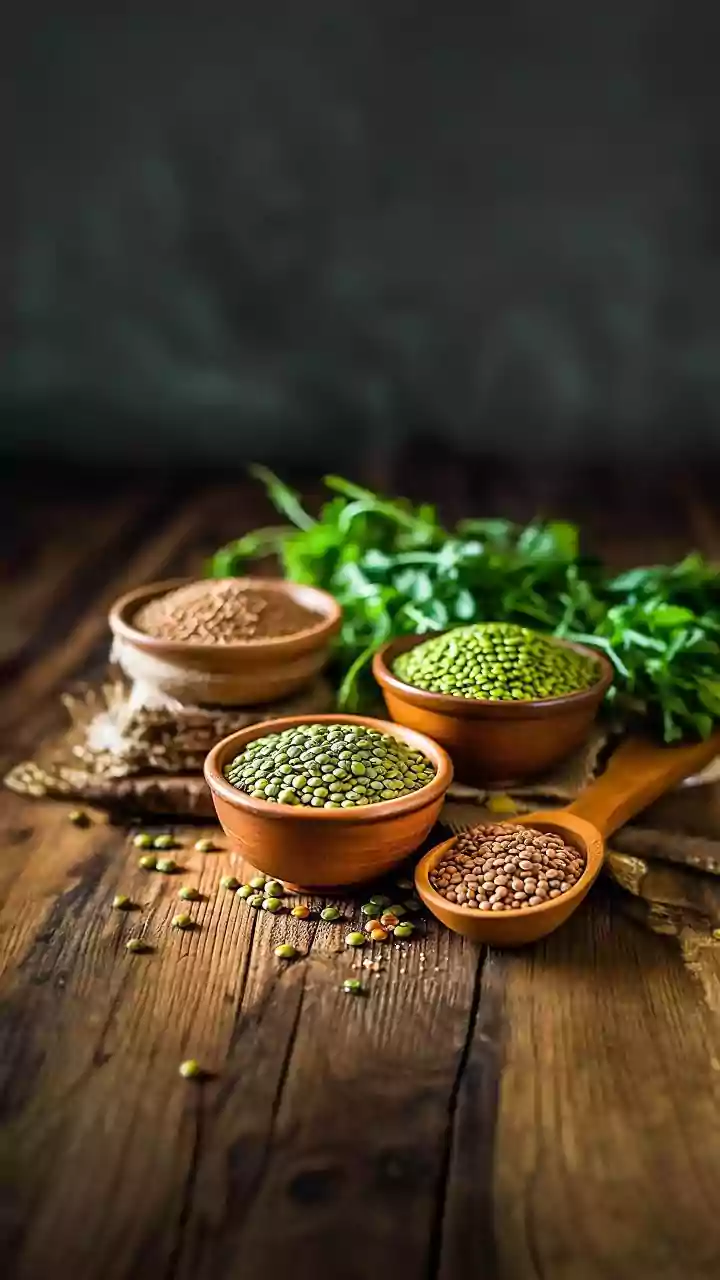
The star of your monsoon dinner plate should be something that’s both nourishing and supremely easy to digest. This is where the humble khichdi reigns supreme. Made with rice and moong dal—the lightest of all lentils—it’s a complete meal that soothes the gut. You can add seasonal vegetables like bottle gourd (lauki) or pumpkin for extra nutrition. If khichdi isn't on the menu, opt for simple phulkas (avoiding rich, layered parathas) paired with a simple dal. Besides moong, masoor dal (red lentil) is also a good option. Avoid heavier lentils like chana or rajma for dinner, as they can be difficult to process overnight. The principle is to keep the main course low on oil and complex spices.
Choose Your Vegetables Wisely
While vegetables are vital, the monsoon is not the season for raw salads. The high humidity increases the risk of microbial contamination on raw produce. Furthermore, raw foods are harder to digest for a system that’s already sluggish. Instead, opt for well-cooked vegetables. Steaming, stewing, or light sautéing are the best cooking methods. Favour vegetables that are easy on the stomach, such as lauki, turai (ridge gourd), parwal (pointed gourd), pumpkin, and carrots. It's best to avoid leafy greens like spinach and cabbage, especially for dinner, as they can be difficult to clean thoroughly and may cause bloating for some individuals during this season.
The Power of Digestive Spices
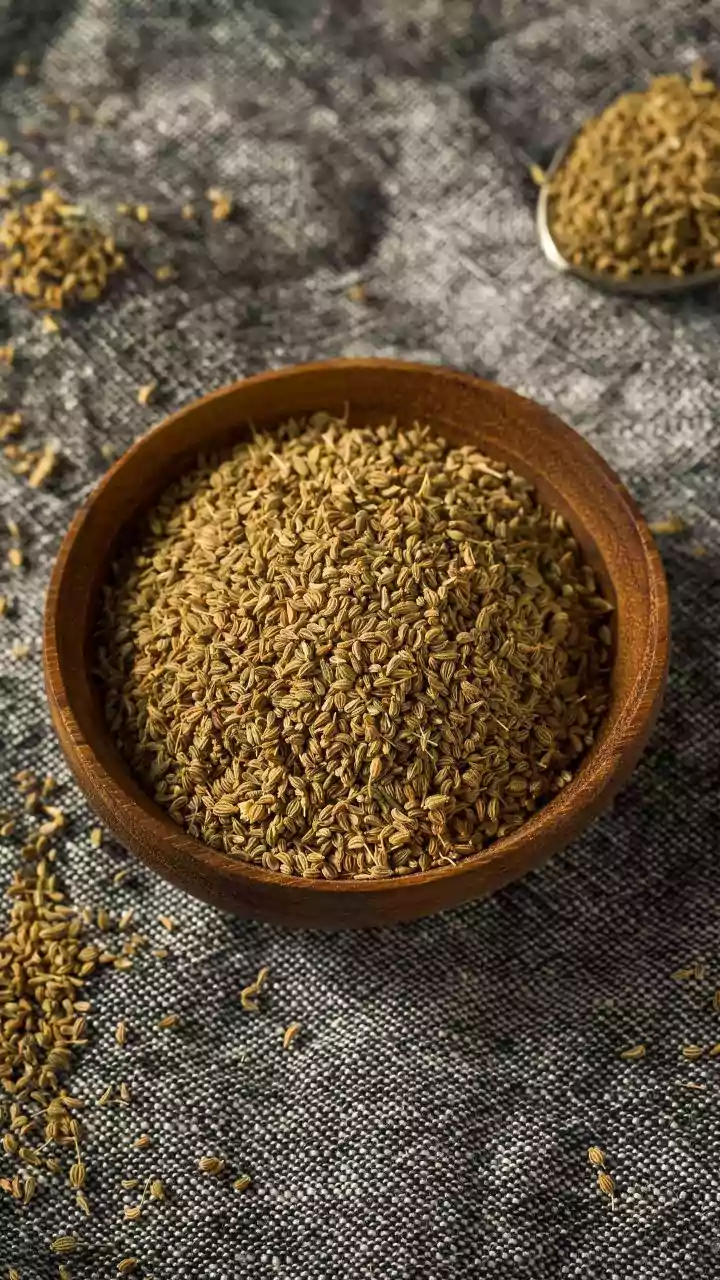
Spices are your best allies for a happy monsoon gut. They do more than just add flavour; they actively aid digestion. Incorporate generous amounts of ginger, which is excellent for nausea and indigestion. Turmeric is a powerful antiseptic and anti-inflammatory agent. Cumin (jeera) and coriander (dhania) help reduce gas and bloating. A pinch of asafoetida (hing) in your dal or sabzi can significantly improve digestibility and prevent flatulence. Black pepper helps in the absorption of nutrients and stimulates the digestive enzymes. Using these spices thoughtfully can transform a simple meal into a healing one, perfectly suited for the season's demands.