
The Science of Humidity and Skin
During the monsoon, humidity levels can soar, often exceeding 70-80%. This damp air significantly alters your skin's behaviour. Your skin naturally loses water to the atmosphere in a process called Transepidermal Water Loss (TEWL). In dry weather, this
rate is higher. But in high humidity, the air is already saturated with moisture, so TEWL slows down dramatically. Your skin holds onto more water, which sounds good, but it also means sweat and natural oils (sebum) don't evaporate as quickly. This combination of trapped sweat, increased sebum production, and environmental moisture creates a slick surface that feels perpetually greasy and creates a breeding ground for bacteria, leading to breakouts.
When Heavy Creams Become the Enemy
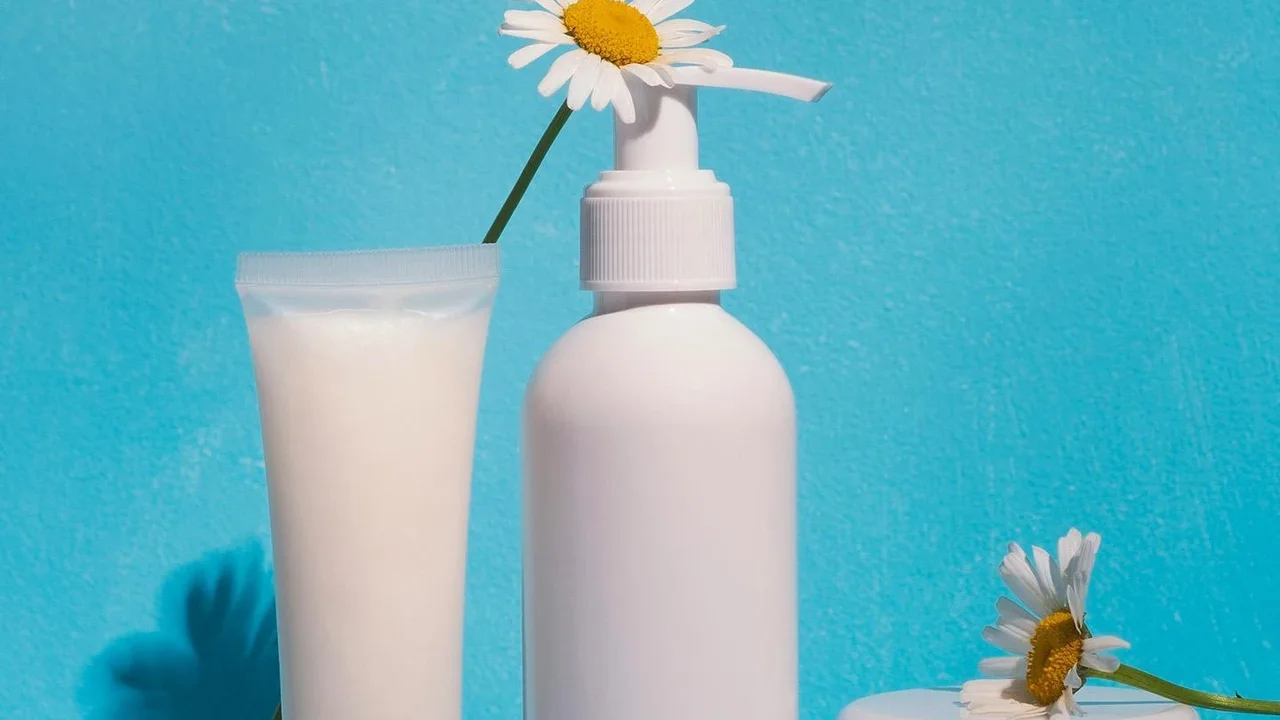
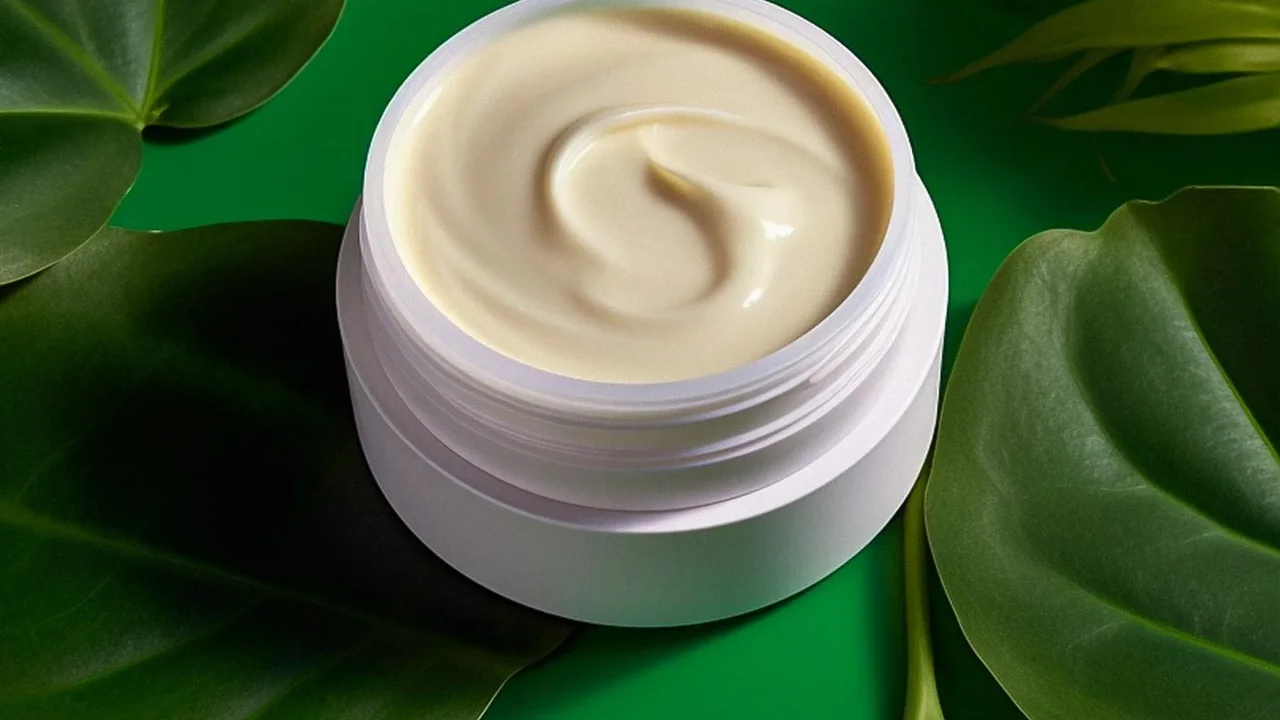
Many rich moisturisers rely on occlusive ingredients like petrolatum, heavy oils, silicones, and thick butters. In dry weather, these are heroes; they form a protective barrier on the skin to prevent moisture from escaping. But in the monsoon, this barrier becomes a problem. Since your skin is already struggling to let sweat and oil evaporate, a heavy occlusive layer effectively suffocates it. It traps everything underneath, leading to that heavy, uncomfortable feeling, clogged pores, and potential acne flare-ups. What was once a protective seal now feels like a layer of grease that refuses to absorb.
The Misguided Role of Humectants
Humectants are another class of popular skincare ingredients, including stars like hyaluronic acid and glycerin. Their job is to act like magnets, pulling water molecules from the environment and the deeper layers of your skin to hydrate the surface. This is highly effective in balanced conditions. However, in the extreme humidity of the monsoon, they can go into overdrive. By pulling excessive moisture from the drenched air onto your skin's surface, they can contribute to a tacky, damp feeling rather than a plump, hydrated one. While still beneficial, they need to be used in lighter formulations to avoid this feeling of moisture overload.
Time for a Monsoon Skincare Swap
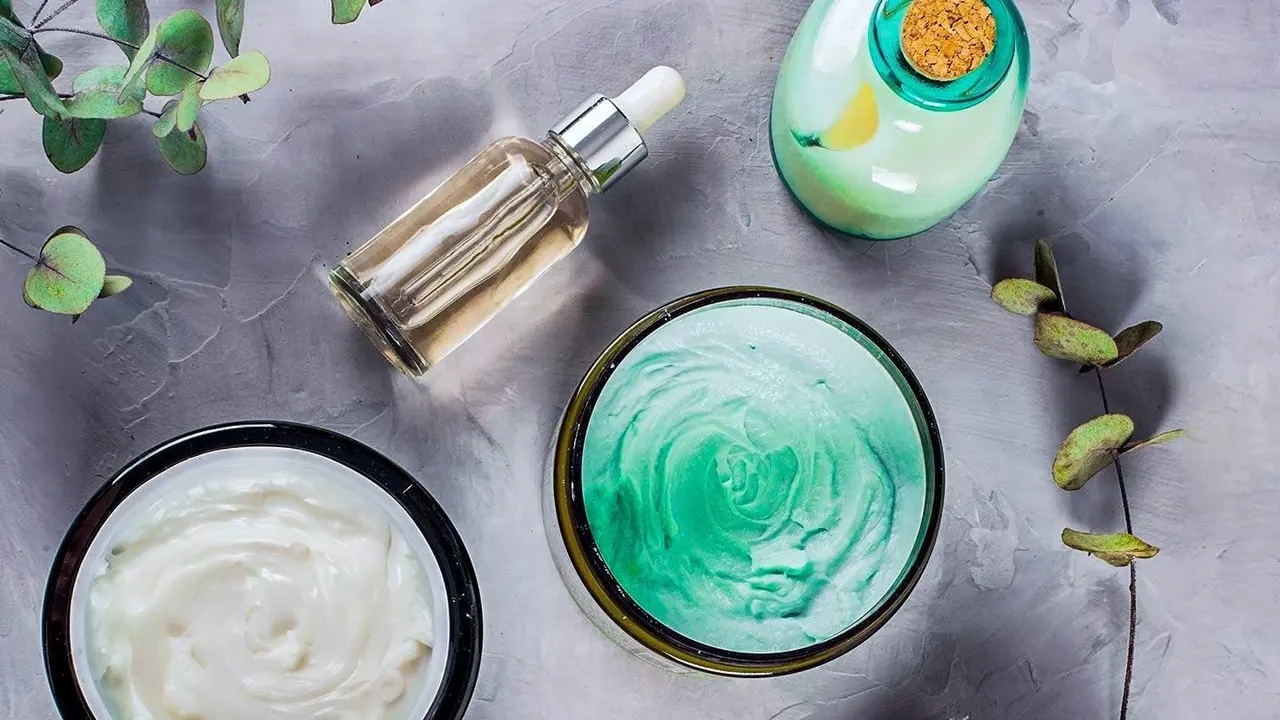
The key to monsoon skincare isn't to abandon your routine but to adapt it. The most crucial change is switching from heavy creams to lightweight, water-based or gel-based formulas. These products provide necessary hydration without the occlusive, heavy feeling. Look for non-comedogenic moisturisers, which are specifically designed not to clog pores. Ingredients like niacinamide can help regulate oil production and minimise shine, while green tea extract offers antioxidant benefits. For those prone to breakouts, a gentle cleanser with a small amount of salicylic acid can help keep pores clear.
Embrace the Power of Light Layers
Instead of relying on one thick product, consider layering several lightweight ones. This approach allows you to customise your hydration levels without the weight. Think of starting with a hydrating toner or essence, followed by a lightweight serum, and finishing with a gel moisturiser. This method delivers hydration deep into the skin in manageable doses, allowing each layer to absorb fully before the next is applied. This prevents the pilling and stickiness that can occur when a single heavy product sits on the skin's surface. A simpler routine with fewer, lighter products is often more effective during this season.
Don't Forget Your Sunscreen
It’s a common myth that you can skip sunscreen on cloudy, rainy days. However, up to 80% of the sun's harmful UV rays can penetrate through clouds, contributing to pigmentation and premature ageing. Many people avoid sunscreen during the monsoon because traditional formulas can feel heavy and greasy. The solution is to opt for modern, lightweight formulations. Look for gel-based, fluid, or matte-finish sunscreens with an SPF of 30 or higher. These will provide essential protection without adding to the feeling of discomfort or shine.