







The Reality of the Risk
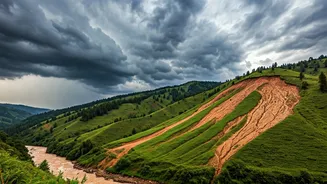
A landslide is more than just falling mud; it's a powerful and destructive force of rock, soil, and debris moving down a slope. Recent events across the country serve as a stark reminder of this danger. In late June 2026, heavy monsoon rains in Arunachal
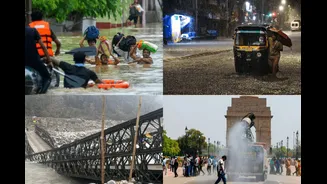
Pradesh triggered dozens of landslides, causing flash floods, blocking major roads, and tragically resulting in fatalities. One major landslide even dammed the Siji River, creating an artificial lake and threatening communities downstream in both Arunachal Pradesh and Assam. These incidents highlight how quickly travel plans can be disrupted and lives put at risk, often with little warning. The danger is not just being caught in a slide, but also being stranded for days without access to supplies or a safe way out.
Know Your Official Sources
In India, several agencies work together to monitor and issue warnings for landslides. The India Meteorological Department (IMD) is the primary body for weather forecasting, issuing alerts for heavy rainfall that can trigger slides. The National Disaster Management Authority (NDMA) and its state counterparts (SDMAs) provide guidelines and coordinate response efforts. The Geological Survey of India (GSI) is the nodal agency responsible for landslide studies and hazard zonation mapping. For travellers, this means information from these sources is the most reliable. Pay close attention to colour-coded alerts: an Orange Alert means "Be Prepared" and a Red Alert means "Take Action," which often translates to avoiding travel to that area entirely.
Your Pre-Travel Checklist
Before starting your journey to a hilly region during the monsoon, a safety-first approach is non-negotiable. First, check the IMD's multi-day forecast for your destination and the entire route. If heavy to very heavy rain is predicted, seriously consider postponing your trip. Next, consult the websites and social media handles of the local district administration and police for specific road advisories. Roads can be closed with little notice. Always have a backup plan, including buffer days in your itinerary in case you get stranded. Pack a well-stocked emergency kit that includes a first-aid box, any essential medications, a powerful torch, a power bank, non-perishable food, and extra water. Inform a reliable contact back home about your detailed itinerary and check in with them regularly.
On the Road: Staying Vigilant
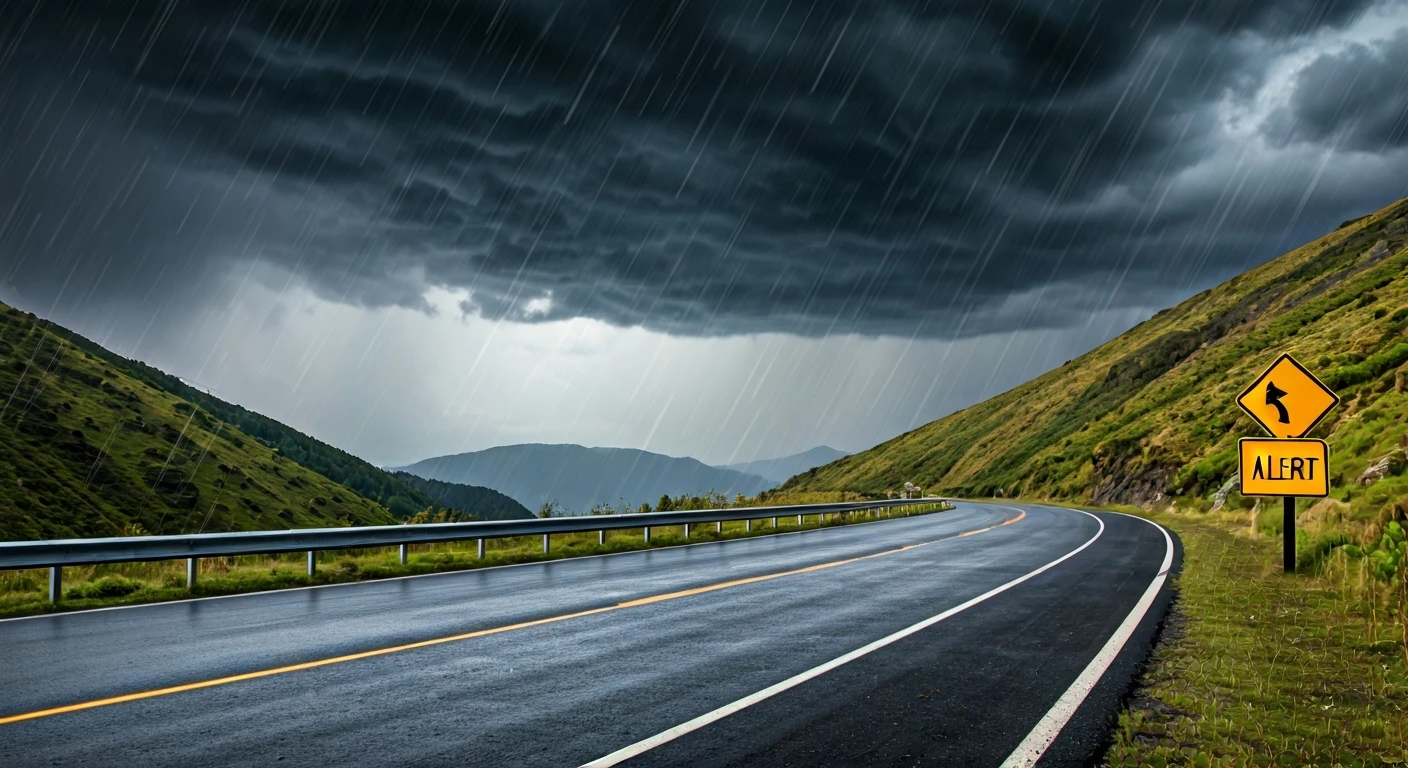
Once you are on your way, vigilance is key. Never drive on ghat roads at night or during heavy downpours, as visibility is poor and new hazards can appear suddenly. Be aware of the warning signs of an impending landslide: unusual sounds like cracking trees or boulders knocking together, the appearance of new cracks in the road, or a faint rumbling sound that gets louder. Also, muddy river water can be a sign of a landslide upstream. If you are in a vehicle and get caught, stay inside if the car is stable and not in the direct path of more debris. If you must evacuate, move to higher ground, perpendicular to the path of the slide. Avoid river valleys and low-lying areas, which can be hit by subsequent flash floods.
After the Event: Caution is Critical
Even after the rain stops, the danger is not over. Saturated soil can remain unstable for hours or even days. If you are in an area affected by a landslide, do not return until authorities have declared it safe. The risk of additional slides is often high. Avoid the direct slide area while checking for injured persons, and direct rescuers to their locations. Report any broken utility lines or damaged roadways you see to the authorities. If you were evacuated, follow official channels for information on when it is safe to proceed with your journey or return. Your patience could be the most important safety tool you have.