




The Psychology of Frictionless Spending
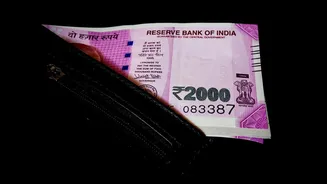
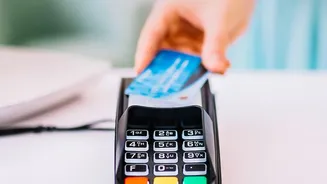
Before diving into the rules, it’s crucial to understand why UPI makes it so easy to overspend. The concept is known as the 'pain of paying'. When you hand over physical cash, your brain registers a tangible loss, creating a natural pause. Digital payments
remove this friction entirely. A quick scan and a tap feel abstract and disconnected from your actual bank balance. Studies show people are willing to spend significantly more when they don't use physical cash. This isn't a lack of willpower; it's a feature of the technology's design. The convenience that makes UPI great is also what makes it quietly dangerous for your budget. Small amounts like ₹50 or ₹100 don't trigger a mental alarm, but they accumulate rapidly.
Rule 1: Create a Dedicated 'Spending' Account
The most effective strategy is to create a deliberate barrier between your main salary account and your daily spends. Open a secondary bank account with minimal fuss and link it to your most-used UPI app. At the beginning of each month (or week), transfer a fixed, budgeted amount into this account for all your discretionary spending—think coffee, lunches, and other non-essential purchases. Once the money in this 'fun account' runs out, your spending automatically halts until the next top-up. This method digitally replicates the old-school envelope system. It protects your main paycheck from death by a thousand cuts and forces you to be conscious of a finite pool of money for your daily indulgences.
Rule 2: Conduct a Weekly 5-Minute Audit
You don't need complicated spreadsheets to regain control. Just set aside five minutes every Sunday evening for a simple ritual: open your primary UPI app and scroll through the week's history. The goal isn't to judge yourself but simply to build awareness. Look at the frequency and categories of your spending. How many times did you order coffee? How much went to quick grocery runs for one or two items? This quick review connects the abstract digital transactions back to real-world actions. Seeing the pattern—'I spent ₹800 on auto rides this week'—is often enough to prompt small behavioral changes without feeling restrictive.
Rule 3: Pay Yourself First, Automatically
A classic personal finance rule gets a powerful upgrade with UPI. Before you have a chance to spend your salary on small outflows, make sure a portion of it is already gone—into your savings. Use the 'AutoPay' feature, commonly used for bills and subscriptions, to set up an automatic weekly or monthly transfer from your salary account to a savings account, recurring deposit, or mutual fund SIP. By automating your savings, you are prioritizing your future self. The money is moved before you can even consider it available for spending. This creates a sense of 'artificial scarcity' in your main account, making you more mindful of the remaining balance.
Rule 4: Introduce Intentional Friction
Since the problem is frictionless spending, the solution can be to add some friction back in. For any non-essential purchase over a set amount, say ₹500, implement a 24-hour waiting period. If you still want the item a day later, go for it. This simple pause helps separate impulse from genuine need. Another way is to disable one-tap payment features for certain apps. Having to enter your UPI PIN every time serves as a small but effective cognitive checkpoint, forcing you to confirm the expense consciously. The key is to make spending a deliberate choice again, not a mindless reflex.
Rule 5: Leverage Budgeting Apps
If manual tracking feels like too much work, let technology help. Several expense-tracking apps made for India can automatically read your transaction messages or allow you to log expenses quickly. Apps like MoneyMind or Lekhhaa are designed for the Indian market, understanding UPI and categorizing spends automatically or with minimal effort. Some even allow you to track expenses by sharing a screenshot of your payment confirmation. Using such an app provides a clear, visual dashboard of where your money is going, making it easy to see which categories are consuming the largest share of your micro-spends.