







Bhoger Khichuri: The Divine Offering
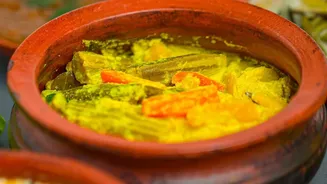
No Puja experience is complete without Bhoger Khichuri. This isn't just any khichuri; it's a sacred offering made with roasted moong dal and aromatic gobindobhog rice, cooked without onion or garlic. It has a distinct, nutty aroma and a comforting, soupy
consistency. Typically served at pandals, especially on Ashtami, this divine dish is much more than a meal. It represents community and devotion, often accompanied by labra (a mixed vegetable medley), a crispy beguni (eggplant fritter), and a sweet tomato chutney. Partaking in the bhog is a cherished ritual that connects everyone in the festive celebration.
Luchi and Alur Dom: The Quintessential Breakfast
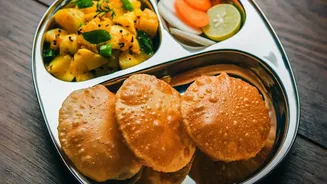
The classic Bengali festive breakfast, a plate of fluffy, deep-fried bread (luchi) served with a spicy potato curry (alur dom), is pure soul food. Luchis are made from refined flour, giving them their characteristic white, plump appearance, softer than a typical poori. The alur dom is slow-cooked, rich with spices like ginger and cumin, and provides the perfect savoury counterpoint. While often enjoyed for breakfast after the morning's rituals, this combination is so beloved that it features in meals throughout the day, sometimes with cholar dal (a sweet and savoury lentil dish with coconut) as an alternative to the potato curry.
Kathi Roll: The Ultimate Pandal-Hopping Snack
When the sun sets and pandal-hopping begins, the kathi roll becomes the undisputed king of street food. Originating in Kolkata, this iconic wrap consists of a flaky paratha, often coated with egg, rolled around a filling of spiced chicken, mutton, or paneer, with a garnish of sliced onions and tangy sauces. It's the perfect portable meal for revellers on the move, offering a satisfying and flavourful bite amidst the festivities. The story goes that Nizam's Restaurant invented the roll for British patrons who wanted a mess-free way to eat kebabs, eventually giving it the name 'kathi' from the bamboo skewers used for grilling.
Ghugni and Telebhaja: The Savoury Interludes
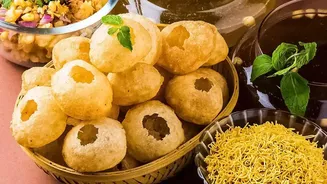
Between the main meals are the essential snacks that keep the festive energy high. Ghugni, a hearty curry made from dried yellow or white peas, is a pandal-side staple. It's slow-cooked with spices and topped with chopped onions, chillies, and a squeeze of lime, offering a warm and flavourful break from fried foods. Then there's 'telebhaja', the catch-all term for an array of deep-fried fritters. This includes beguni (brinjal fritters), aloo chop (potato fritters), and peyaji (onion fritters), all served hot, crispy, and ready to be devoured in moments.
Kosha Mangsho: The Nabami Indulgence
For many non-vegetarian households, Nabami (the ninth day) is synonymous with a rich and decadent mutton dish: Kosha Mangsho. This slow-cooked mutton curry is fiery and thick, with the meat falling off the bone. The deep, complex flavours come from a masterful blend of spices and patient cooking. It's an indulgent feast, typically paired with fluffy luchis or Basanti Pulao, a fragrant, sweet yellow rice. After several days of vegetarian bhog and lighter fare, the arrival of Kosha Mangsho marks the grand culinary climax of the Puja celebrations for many.
Mishti: The Sweet Endings
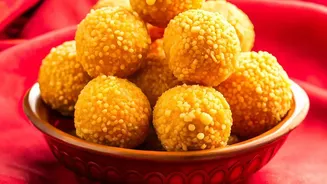
A Bengali festival is incomplete without a grand finale of sweets. Post-Puja, during Bijoya Dashami, families visit each other to exchange greetings and share sweets, a tradition known as 'Bijoyar Mistimukh'. Sweet shops are laden with classics like the spongy Rosogolla, delicate Sandesh made from fresh chhena, and the creamy, caramel-hued Mishti Doi. Homemade treats like Narkel Naru (coconut laddoos) and Payesh (rice kheer) also grace the table, ensuring the celebrations end on the sweetest possible note.