


Why a Protein-Packed Breakfast Matters
Starting your day with a protein-rich meal is one of the best things you can do for your energy levels and overall health. Protein is essential for muscle repair, but it also plays a crucial role in keeping you feeling full and satisfied. A breakfast
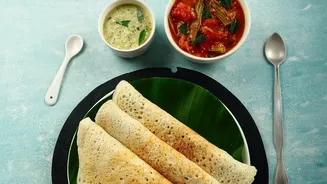
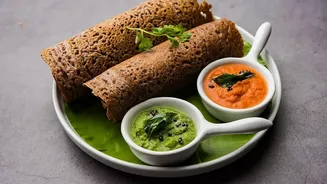
high in protein helps prevent the mid-morning energy crash that often follows a carbohydrate-heavy meal. It stabilizes blood sugar levels, improves focus, and reduces cravings throughout the day. While traditional dosa and chilla batters, especially those made with lentils, offer some protein, adding a concentrated source like seed powder can significantly enhance their nutritional profile without much effort.
The Nutritional Power of Seeds
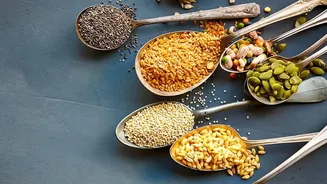
Seeds are tiny nutritional giants, packed with protein, healthy fats, fibre, vitamins, and essential minerals. They are a fantastic way for everyone, especially vegetarians and vegans, to increase their intake of high-quality plant-based protein and omega-3 fatty acids. Different seeds offer unique benefits. For instance, flaxseeds are celebrated for their high fibre and omega-3 content. Chia seeds are also fibre champions that help with hydration and satiety. Pumpkin seeds are an excellent source of magnesium and zinc, while sunflower seeds provide a healthy dose of Vitamin E and protein. By combining a few, you create a well-rounded supplement for your daily meals.
How to Make Your Seed Powder
Creating your own seed powder is incredibly simple. All you need is a selection of your favourite seeds and a dry grinder or a powerful blender. A good starting blend includes equal parts of flax, chia, pumpkin, and sunflower seeds. You can also add sesame seeds for their nutty flavour and calcium. While some recipes suggest lightly roasting seeds like flax to enhance flavour, it's not a necessary step; you can grind them raw. To make the powder, combine the seeds in your grinder. Use short pulses rather than grinding continuously to prevent the oils from releasing and turning the powder into a clumpy paste. Grind until you reach a coarse, flour-like consistency. For optimal nutrient absorption, ground powder is more effective than whole seeds.
Storing Your Powder for Freshness
Because seeds contain natural oils, the powder can go rancid if not stored correctly. To maintain freshness and nutritional value, store your homemade seed powder in an airtight container in the refrigerator. It’s best to make small batches that you can use within a week or two. Some people even add a pinch of turmeric to their seed mix, which has anti-inflammatory properties and can help keep the powder fresh for longer.
The Perfect Mix: Adding Powder to Batters
Now for the easy part: incorporating your powder. The goal is to boost nutrition without compromising the texture of your dosa or chilla. A good rule of thumb is to add one to two tablespoons of seed powder for every cup of batter. For best results, add the powder to your dosa or chilla batter and mix it in thoroughly just before you start cooking. This works for both homemade fermented batters and store-bought mixes. Milled flaxseeds and chia seeds are particularly good at blending seamlessly. If you find the batter has become too thick after adding the powder, simply add a tablespoon or two of water until you reach your desired consistency. This simple addition will make your crispy dosas and soft chillas not only delicious but also significantly more nutritious.