

More Than a Trend, a Conscious Shift
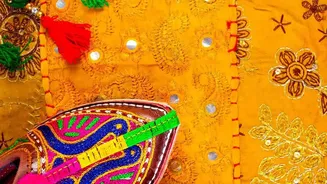
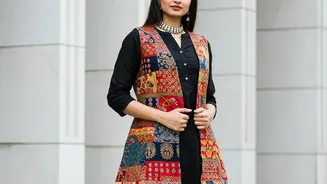
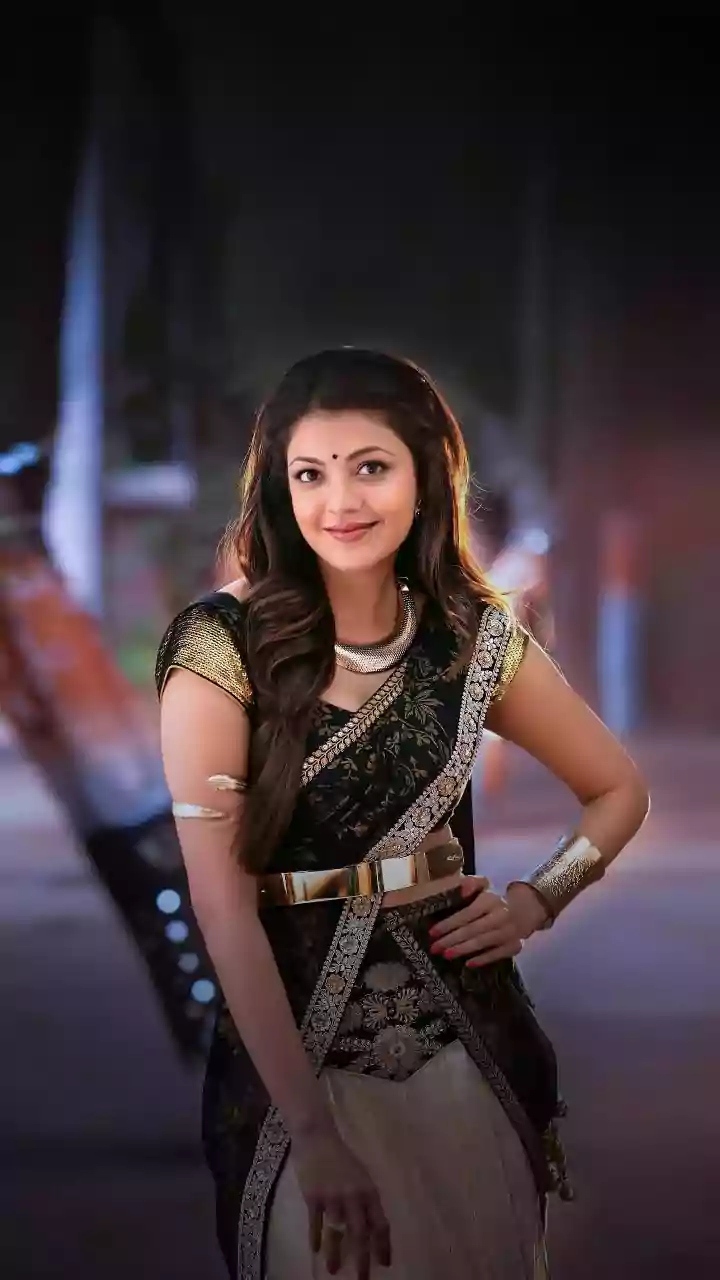
The revival of heritage embroidery is more than just a fleeting fashion moment; it represents a deeper shift in consumer mindset. As shoppers grow more conscious of sustainability and the stories behind their clothes, there is a renewed appreciation for
craftsmanship that lasts. This movement champions 'slow fashion', valuing the human touch and cultural narrative woven into each garment. Designers and homegrown brands are bridging the gap between master artisans and the modern wardrobe, proving that traditional skills are not relics of the past but a vital part of fashion's future. This isn't about simply copying old designs but reinterpreting them for a new generation that values both authenticity and style.
Chikankari: From Royal Courts to Casual Chic
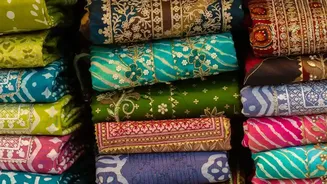
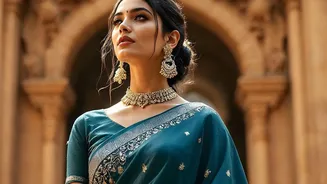
Originating from Lucknow, Chikankari is a delicate and intricate white-on-white embroidery, historically patronised by Mughal royalty. Traditionally seen on fine muslin, its ethereal beauty once graced the wardrobes of empresses. Today, Chikankari has shed its formal image to become a staple of contemporary daily wear. Designers are using this technique on breathable cottons, georgettes, and silks to create elegant kurtas, breezy summer dresses, and even stylish blouses. The signature 'shadow work' or Bakhiya stitch, once a symbol of leisurely luxury, now adds a touch of understated grace to workwear and casual outfits, making it one of the most successful examples of a heritage craft adapted for modern life.
Kantha: The Running Stitch That Tells a Story
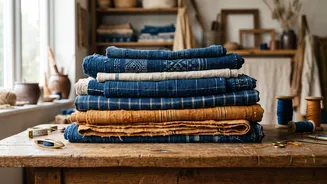
Hailing from the Bengal region, Kantha is a testament to the art of upcycling. Traditionally, women would layer old saris and stitch them together with a simple running stitch to create soft quilts. Each piece told a story through motifs of nature, folklore, and daily life. This humble stitch has now been elevated into a high-fashion statement. You can find Kantha's distinctive, textured patterns adorning everything from denim jackets and bomber jackets to tote bags and footwear. Its charm lies in its simplicity and the fact that each hand-stitched piece is unique, bringing a personal, artisanal touch to mass-produced items and celebrating sustainable practices.
Phulkari: Punjab's Garden on Modern Canvases
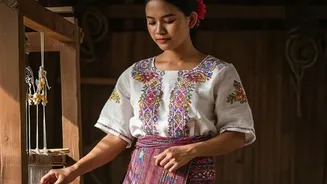
Phulkari, which literally translates to 'flower work', is the vibrant, geometric embroidery of Punjab. Traditionally, grandmothers would lovingly craft intricate Phulkari dupattas for their granddaughters' weddings. While the Phulkari dupatta remains a classic, the craft itself has broken free from its traditional confines. A new crop of designers is applying its bold, colourful floral motifs to unexpected silhouettes like jumpsuits, crop tops, and jackets. Icons of Indian fashion have been instrumental in this revival, transforming Phulkari from a regional tradition into a craft celebrated on national runways and making it accessible for daily styling.
Empowering Artisans, Preserving Legacies
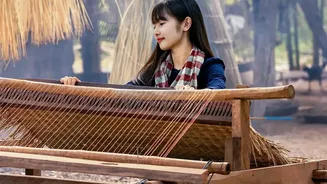
This modern refresh of heritage embroidery does more than just update our wardrobes; it provides a crucial lifeline to artisan communities. The Indian artisan sector is the country's second-largest employer after agriculture, yet many craftspeople face economic instability. By creating a contemporary market for these skills, designers ensure that ancient techniques are preserved and passed down. This collaboration, when done ethically, allows artisans to earn a sustainable livelihood and gain recognition for their mastery. It transforms their craft from a seasonal or ceremonial activity into a year-round profession, securing the future of India’s rich textile heritage.