





The Allure of an October Safari
October marks the grand reopening for many of India’s premier national parks, which remain closed during the heavy monsoon season from July to September. The break allows the ecosystem to flourish undisturbed. When the gates reopen, visitors are treated
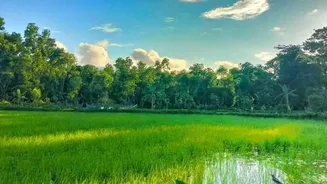
to a spectacle of nature at its best. The landscape is a brilliant, saturated green, a stark contrast to the dry, dusty tones of summer. Waterholes are brimming, rivers flow freely, and the air is crisp and clean. This post-monsoon freshness makes for a deeply atmospheric experience and provides a stunning backdrop for wildlife photography. Animals are notably active, emerging to explore their renewed territories. While the dense foliage can sometimes make spotting predators a bit more challenging than in the bare summer months, the overall richness of the experience is unparalleled. Plus, visiting in October often means fewer crowds than in the peak winter season, allowing for a more serene journey into the wild.
Jim Corbett National Park, Uttarakhand
Nestled in the Himalayan foothills, Jim Corbett is India’s oldest national park and a fantastic October destination. While some zones remain open year-round, the popular Bijrani zone typically reopens in mid-October, offering access to prime tiger territory. The park’s landscape, a mix of dense forests and grasslands, is particularly beautiful after the rains, with the Ramganga River flowing strong. October is ideal for sighting Asiatic elephants, spotted deer, and a variety of resident and early migratory birds. The weather is exceptionally pleasant, with warm days and cool, comfortable mornings and evenings, perfect for long safari drives. Tiger sightings are a real possibility as the big cats patrol their rain-washed territories.
Ranthambore National Park, Rajasthan
Famous for its formidable tigers and the ancient fort that towers over the forest, Ranthambore is a top choice for an October safari. The park’s core zones reopen on October 1, drawing enthusiasts eager for the first glimpses of its celebrated wildlife. The Aravalli hills, once barren, are draped in green, and the park’s many lakes, like Padam Talao and Rajbagh Talao, are full and attract a host of animals. This makes for concentrated wildlife activity around the water bodies. Besides tigers, you can spot leopards, sloth bears, sambar deer, and crocodiles. The blend of history and wilderness is particularly striking in October when the revitalised landscape brings a soft, lush beauty to the rugged fort and surrounding ruins.
Kanha National Park, Madhya Pradesh
Often called the inspiration for Rudyard Kipling’s “The Jungle Book,” Kanha’s sprawling meadows and majestic sal forests are breathtaking in October. The park typically reopens between October 1 and October 15, revealing a landscape that feels fresh and untouched. Kanha is not just a premier tiger reserve; it is also the only habitat for the rare hard-ground Barasingha, or swamp deer, which can be seen in its magnificent herds in the green meadows. The pleasant weather and rejuvenated flora make for comfortable safaris and excellent photography conditions. The activity of herbivores like gaur (Indian bison) and chital, along with their predators, makes every drive a thrilling prospect.
Bandhavgarh National Park, Madhya Pradesh
Renowned for having one of the highest densities of Bengal tigers in India, Bandhavgarh is a must-visit for serious wildlife aficionados. The park reopens its gates around mid-October. Visiting post-monsoon means you get to see the forest in its lushest state, a vibrant green backdrop that makes the colours of the animals pop. This period is excellent for photography. Besides a strong chance of tiger sightings, Bandhavgarh is home to leopards, spotted deer, and a rich array of birdlife. The hilly terrain, combined with the dense foliage, creates a sense of mystery and adventure on every safari. The pleasant temperatures are an added bonus, making the early morning and afternoon excursions thoroughly enjoyable.
Kaziranga National Park, Assam
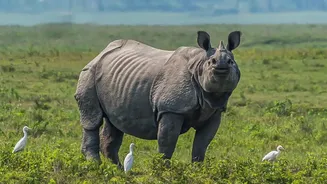
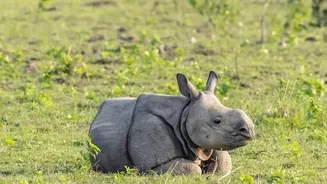
For a different kind of wildlife spectacle, head to Kaziranga in Assam, which reopens in early October. This UNESCO World Heritage Site is the global stronghold of the one-horned rhinoceros. After the annual floods of the Brahmaputra River, the park’s vast grasslands are at their most verdant, dotted with full water bodies called 'beels'. It's an incredible sight to see rhinos, wild water buffalo, and herds of swamp deer against this intensely green landscape. While the tall elephant grass can make tiger sightings tricky, it’s not impossible. October is also a great time for birdwatching, as migratory species begin to arrive to join the park’s resident waterfowl.