





Decode the Room Category First
Hotels use appealing but often vague terms like ‘Deluxe’, ‘Executive’, or ‘Superior’. These labels mean little without visual evidence. The first step is to ignore the marketing jargon and focus on the specific photos assigned to that exact room category.
If you book a ‘Sea View King’, ensure the gallery for that specific category shows a king bed and a clear view of the sea, not just pictures of the hotel’s best suite or its lobby. Be wary if the photos for different room types all look identical, as this can be a red flag. Many booking platforms allow hotels to tag images to specific room types; use this feature to make sure you’re looking at the right set of pictures. This simple cross-reference is the foundation of avoiding a bait-and-switch scenario.
Put the Windows and View on Trial
The view is often a major selling point, and photos can be deceiving. If a hotel doesn't show a picture of the view from the room, it's safest to assume there isn't one worth seeing. You could be looking at a parking lot or an air shaft. When a view is shown, analyse it critically. The term 'partial view' often means the ocean or landmark is only visible if you lean out from the balcony. Professional photographers use wide-angle lenses that can make a sliver of a view look like a sweeping panorama. Look for user-submitted photos on review sites or platforms dedicated to room views to see what guests actually experienced. Also, consider the floor level. Higher floors usually offer better, less obstructed views. If the view is critical to your stay, it’s worth investigating.
Conduct a Thorough Bathroom Audit
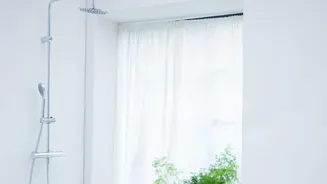
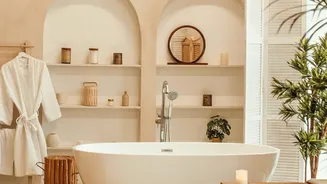
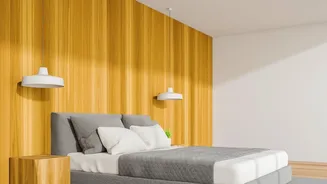
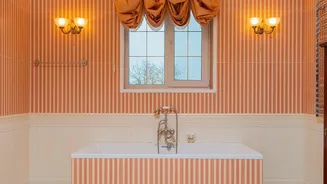
The bathroom is often the most revealing space in a hotel room. If the official photo gallery for your chosen room category is missing a bathroom picture, be very cautious. This is a common tactic to hide a dated, small, or awkward bathroom. When photos are provided, look closely. Check for signs of age like discoloured grout, old-fashioned fixtures, or a worn-out tub. The quality of the bathroom should match the price and category of the room. A ‘premium’ room should have a modern, clean, and well-maintained bathroom. The photo should be a wide shot, not a tightly cropped image of a fancy tap, which can be used to hide the room's overall condition or small size. Also, notice the bedding in the main room photos; crisp, white bedding is often a signal of a hotel's commitment to cleanliness and recent updates.
Analyse the Photographer’s Tricks
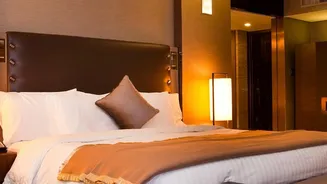
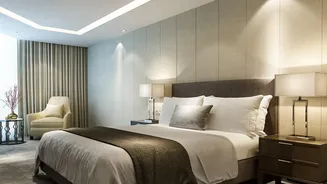
Professional hotel photos are designed to sell a fantasy, often using techniques that manipulate your perception of space and light. One of the most common tricks is using a wide-angle lens, which can distort a room to make it look much larger than it is. Be suspicious of too many close-up, artistic shots of details like throw pillows or lamps. While these look nice, an over-reliance on them often means the hotel is avoiding showing the entire room because it's small or awkwardly laid out. Look for images that show the whole room from a corner to get a better sense of its true size and layout. Another red flag is overly dark or heavily edited photos, which could be hiding flaws. The most reliable picture is often one taken by a previous guest, which provides an unvarnished look at the space.
Connect Photos to Facts and Floor Plans
Your photo investigation should be supported by facts. If the hotel lists the square footage of the room, try to verify it visually. Some savvy travelers even count the floor tiles in a photo to estimate the room's dimensions. If a floor plan is available, use it. Compare the layout shown in the photos to the diagram to ensure they match. For verifying exterior shots, use online mapping tools with a street view function to see if the hotel's pristine exterior photo matches its real-world appearance. Finally, don't be afraid to contact the hotel directly before booking. Asking a simple question like, "When was this room category last renovated?" can provide valuable context that photos alone cannot.