



Start With an Anchor Plant
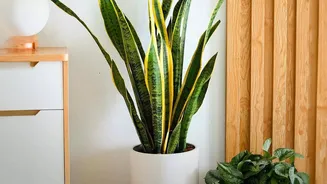
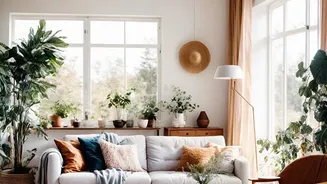
Every great grouping needs a starting point. Choose a 'hero' or 'anchor' plant to build your arrangement around. This is typically your largest or most structurally interesting plant, like a tall Fiddle Leaf Fig or a bold Rubber Plant. Placing this main
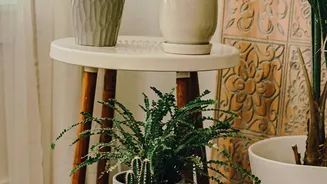
plant first helps establish the scale and focal point of your display. It gives the entire cluster a sense of purpose and structure. Don’t worry if you don’t have one large plant; a medium-sized plant elevated on a small stool or a stack of books can achieve the same effect, drawing the eye and providing a central element for smaller pots to gravitate towards.
Follow the Rule of Odds
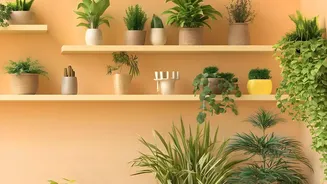
A classic interior design trick that works wonders for plants is the 'rule of odds'. Grouping plants in odd numbers—like threes, fives, or sevens—tends to look more natural and less staged than arranging them in even numbers. An even-numbered arrangement can sometimes create a formal symmetry that feels rigid, whereas an odd number encourages the eye to move around the display, taking in each plant individually while appreciating the whole. A simple trio of small pots on a coffee table or a cluster of five on the floor can create an effortlessly stylish look that feels both intentional and organic.
Play With Height and Scale
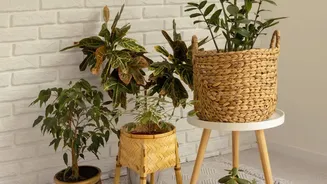
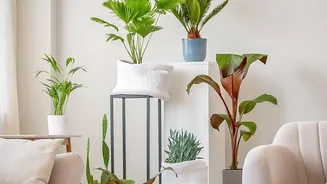
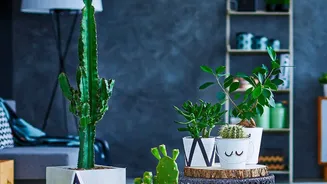
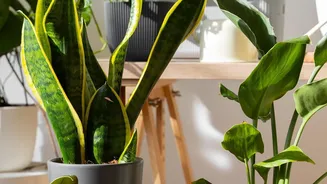
A flat arrangement where all plants are at the same level can look monotonous. To create visual interest, it's crucial to vary the heights within your group. This creates depth and movement, leading the eye on a journey from low to high. You don’t need to buy tall pots to achieve this. Use inexpensive items you already own, like small stools, stacked books, or simple plant stands to elevate some of your pots. You can also place taller plants like a Snake Plant or a Dracaena behind shorter, fuller plants to create layers. This layering technique transforms a simple collection of pots into a dynamic, three-dimensional feature.
Mix Up Textures and Shapes
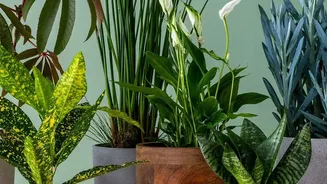
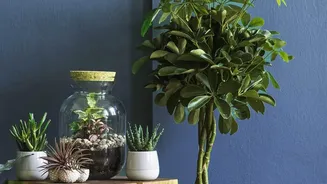
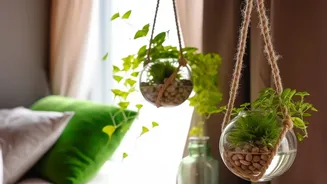
To make your plant groupings truly captivating, think about contrast in both foliage and pots. Combine plants with different leaf shapes and textures. For example, pair the large, bold leaves of a Monstera with the delicate, trailing vines of a String of Pearls, or the spiky silhouette of a cactus with the soft fronds of a fern. This variation keeps the arrangement from looking flat. The same principle applies to your pots. Mixing different materials like smooth ceramic, rustic terracotta, and woven baskets adds another layer of texture. As long as there's a common thread, like a shared colour family, the mix of materials will look curated rather than chaotic.
Unify With a Colour Palette
The low-cost key to making a mismatched collection of pots and plants look cohesive is a unified colour palette. This doesn't mean everything has to be the same colour. Instead, choose a simple palette of two or three colours and stick to it. For instance, you could group pots in neutral tones like white, grey, and black, or stick to warm, earthy tones like terracotta, cream, and brown. If your existing pots don't match, a cheap and easy solution is to paint them. A can of spray paint can transform a random assortment of plastic and ceramic pots into a harmonious collection. This simple step is one of the most effective ways to create a polished look on a budget.