


What Is This Tangy Red Spice?
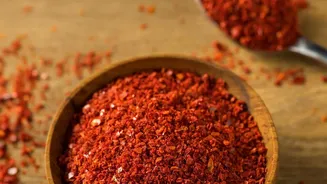
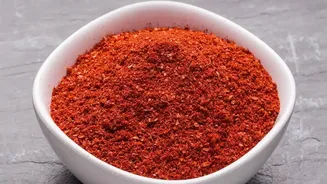
Sumac is a coarse powder made from the dried and ground berries of the wild sumac shrub, Rhus coriaria. For centuries, long before lemons were widely available, cooks across the Middle East and Mediterranean relied on this spice to add a zesty kick to their
food. The berries grow in dense, cone-shaped clusters and are harvested when they reach a deep, reddish-purple hue. Once ground, the result is a beautiful, deep red seasoning that is a cornerstone of Levantine cooking, used as commonly as salt and pepper are on Western tables. It’s also a key ingredient in the famous spice blend za'atar, mixed with thyme, sesame seeds, and salt.
A Taste of Bright, Fruity Tartness
The defining characteristic of sumac is its pleasant, sour taste. Its flavour is often compared to lemon, but it's softer, more balanced, and less acidic. Think of it as a bright, fruity tartness with earthy undertones. One of its greatest culinary advantages is that it provides acidity without adding any liquid. This makes it perfect for situations where you want a citrusy zing without watering down a dish, such as in a dry rub for meats or when seasoning crispy roasted vegetables. Unlike chilli powder, it adds no heat, only a refreshing tang that cuts through richness and balances flavours.
A Sprinkle of Wellness
Beyond its vibrant taste and colour, sumac has been valued in traditional medicine for thousands of years. It is exceptionally rich in antioxidants, including compounds like tannins and flavonoids. These antioxidants help protect the body's cells from damage and reduce oxidative stress. Some research suggests that these properties may play a role in reducing inflammation. Studies have also explored sumac's potential benefits for helping control blood sugar levels and relieving exercise-induced muscle pain, although more research is needed to confirm these effects.
Easy Ways to Use Sumac
Getting started with sumac is incredibly simple because it works best as a finishing spice. Sprinkle it over hummus, labneh, or any yogurt-based dip for an instant pop of colour and flavour. It's a wonderful addition to salads; try it on a simple tomato and cucumber salad or use it to make a zesty vinaigrette. Dust it over avocado toast, fried eggs, or popcorn for an unexpected twist. For main courses, it’s an excellent marinade or dry rub for chicken, fish, and lamb, balancing the richness of the meat when grilled or roasted.
Bringing Sumac into the Indian Kitchen
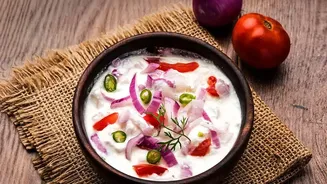
While sumac is distinctly Middle Eastern, its flavour profile makes it a natural fit for Indian cuisine. Its dry, tangy quality is similar to amchoor (dried mango powder) and can be used in similar ways. Consider adding a pinch to your raita or sprinkling it over a finished dal for a surprising brightness. It can be mixed into the seasoning for fried okra or used as a rub for paneer or chicken kebabs before they hit the tandoor. Some cooks have even found success blending it into complex dishes like shrimp curry, where its tanginess complements the creamy coconut milk base. Experiment by using it anywhere you might use a squeeze of lime or a dash of chaat masala for a fresh, new dimension.