







The Real Price of a Bargain
Fast fashion has mastered the art of the impulse buy. A trendy top for ₹800 or a dress for ₹1,500 feels like a guilt-free purchase. But how many times do you actually wear it before it fades, loses its shape, or simply falls out of style? These small,
frequent purchases add up, creating a cycle of consumption and waste that is as hard on your wallet as it is on the environment. The true cost of these items isn’t the price tag you see in the store; it’s the lack of long-term value they provide. This is where a simple but powerful concept called 'Cost per Wear' comes in, offering a new perspective on what it means to get your money's worth.
What Is Cost per Wear?
Cost per Wear, or CPW, is a simple calculation that helps you understand the true value of a clothing item over its lifetime. Instead of focusing solely on the initial price, CPW measures how much it costs you each time you wear something. The formula is straightforward: divide the total cost of an item by the number of times you wear it. A lower CPW indicates a better investment, regardless of the initial price. This mindset shifts the focus from 'how cheap is it?' to 'how much use will I get out of it?'.
How to Calculate Your CPW
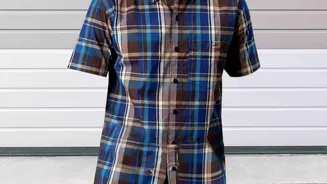
To figure out an item's CPW, you use a simple formula: CPW = Price of Item / Number of Wears. Let's take a practical example. Imagine you're choosing between two shirts. Shirt A is a trendy, fast-fashion piece that costs ₹800. You might wear it about eight times before it starts to look worn. Its CPW would be ₹100 (₹800 / 8 wears). Shirt B is a classic, high-quality shirt that costs ₹2,800. Because it’s well-made and versatile, you could wear it 40 times over the next few years. Its CPW would be just ₹70 (₹2,800 / 40 wears). Suddenly, the more expensive shirt is the more economical choice. Some calculations also factor in maintenance costs like dry cleaning to get an even more accurate picture.
Beyond the Math: Building a Better Wardrobe
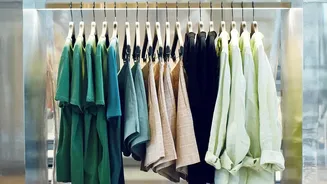
Adopting the CPW mindset does more than just save you money in the long run. It fundamentally changes your relationship with clothes. It encourages you to invest in quality over quantity, prioritising durable fabrics and timeless designs that won't be discarded after one season. This leads to a more curated and versatile wardrobe filled with pieces you genuinely love and feel good in. By asking, "Will I wear this at least 30 times?", you can curb impulse buys and make more intentional choices. This approach not only defines your personal style more clearly but also contributes to a more sustainable fashion cycle by reducing textile waste.
Putting It Into Practice
Thinking in terms of CPW is a habit that gets easier with practice. Before you buy something new, pause and consider its potential. Is the fabric durable? Does the colour and style complement other items you already own? Can you picture yourself wearing it for multiple occasions and across different seasons? A versatile, well-made piece may have a higher upfront cost, but its low CPW will make it a wardrobe workhorse. In contrast, a cheap, single-occasion outfit often ends up being a poor investment. The goal is not to stop shopping, but to shop with more intention, building a collection of clothes that truly serves you.