



An Architectural Upgrade for Cats
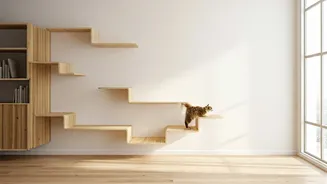
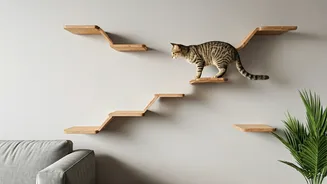
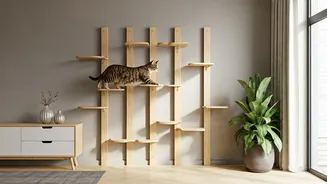
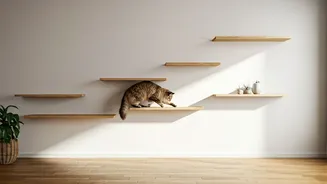
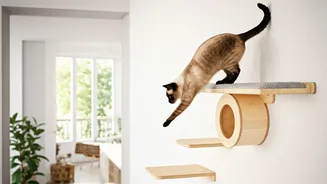
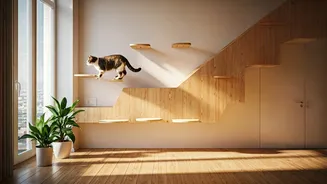
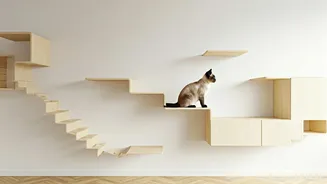
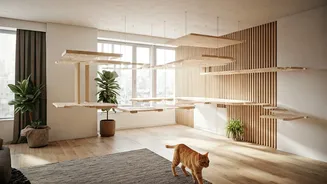
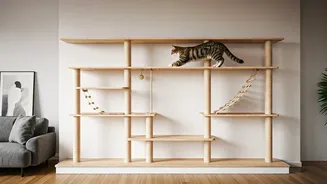
Forget a simple cat tree tucked in a corner. A new wave of pet-centric design is transforming urban homes into vertical playgrounds. We're talking about a network of shelves, platforms, and suspension bridges mounted directly onto walls, creating what
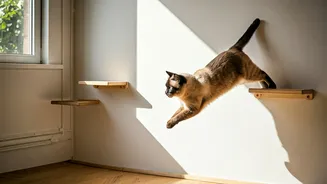
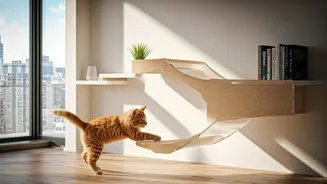
enthusiasts call 'cat superhighways'. These structures allow cats to navigate a room without ever touching the floor, moving from a perch near the window to a cosy nook above a bookshelf via a sturdy rope bridge. It’s an ingenious solution that combines interior design with animal enrichment, turning blank wall space into a dynamic, interactive environment for our pets.
The Psychology of the Climb
So, why the elaborate construction? It’s not just an aesthetic choice; it’s rooted in feline psychology. Cats are instinctually driven to seek high vantage points. In the wild, height means safety. From an elevated perch, a cat can survey its territory, spot potential threats (or friends), and feel secure. Domestically, this instinct doesn’t just disappear. Animal behaviourists explain that providing vertical space is one of the most effective ways to enrich a cat’s environment, especially indoors. It gives them a sense of control and a safe retreat from household commotion, like the vacuum cleaner, boisterous children, or even another pet. A cat relaxing on a high shelf isn't being antisocial; it's being a cat.
Designing a Kingdom in the Air
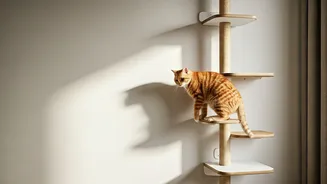
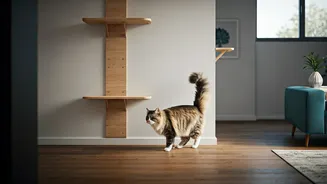
The creativity on display is astounding. Some setups are minimalist, featuring a few sleek, floating shelves made of finished wood that blend seamlessly with modern decor. Others are more rustic and adventurous, with long, swaying bridges made from wooden slats and thick sisal rope, mimicking the canopy of a jungle. We see carpet-lined platforms for comfortable lounging, scratching surfaces integrated directly into the vertical climbs, and even transparent acrylic pods that let cats look down on their human subjects. The goal is to create a pathway that is both stimulating and secure, offering different textures, levels, and destinations. It’s a bespoke world built entirely for their cat’s comfort and curiosity.
Benefits Beyond the View
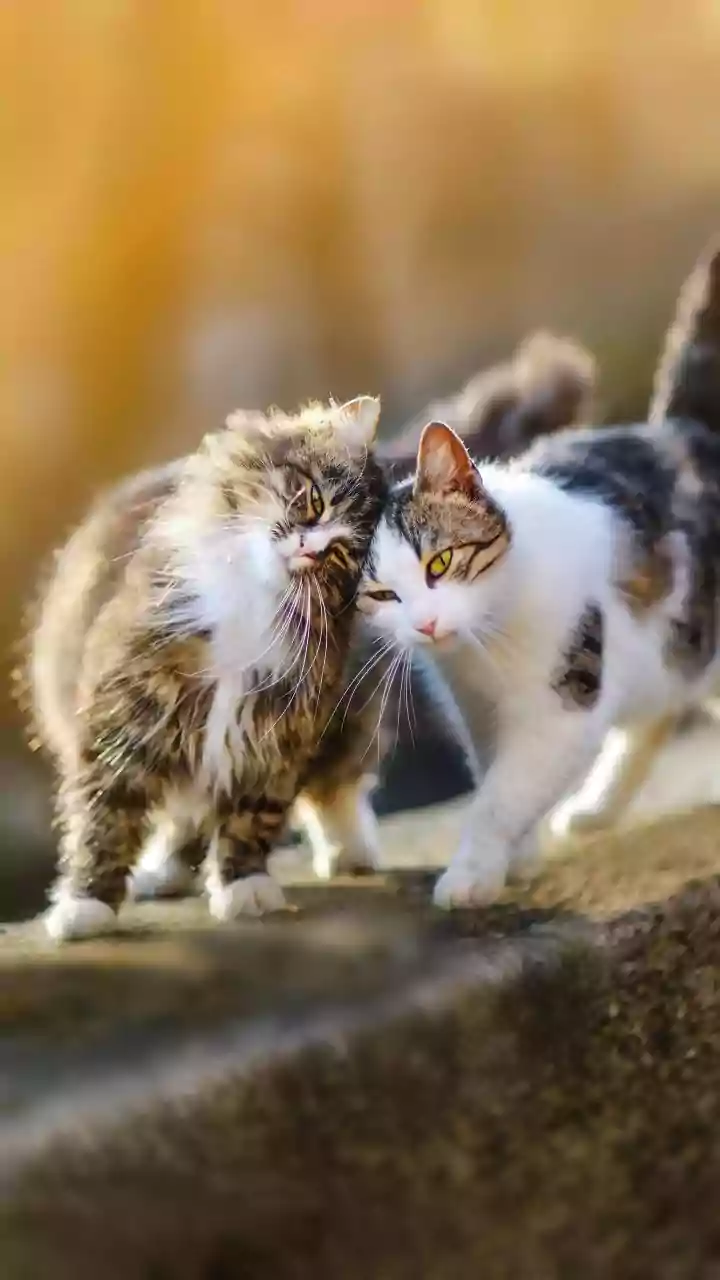
The advantages of this vertical approach are numerous, particularly in smaller living spaces like flats. By taking the cat’s world vertical, you free up valuable floor space. This is a game-changer for anyone trying to avoid the clutter of bulky pet furniture. Furthermore, it’s a powerful tool for preventing boredom-related behaviours. A cat with a stimulating environment to explore is less likely to resort to scratching your sofa or knocking things off tables for entertainment. In multi-cat households, vertical territory is even more crucial. It expands the available real estate, allowing cats to establish their own personal zones and avoid conflict by creating space between them. More territory often leads to less tension and a more harmonious home.
DIY Dream or Store-Bought Solution?
For those inspired to create their own feline paradise, there are two main paths. The DIY route allows for complete customisation, tailored to your specific space and aesthetic. Many creators use sturdy brackets from hardware stores, solid wood planks, and natural-fibre rope. The key is ensuring every component is securely fastened to the wall and can easily support the weight of a jumping cat. Safety is paramount. For those less inclined to break out the power tools, a growing market of modular cat furniture offers ready-to-install solutions. Companies now sell everything from individual shelves and steps to complete bridge kits, making it easier than ever to build a cat-friendly vertical world.