




An Unpredictable Rhythm
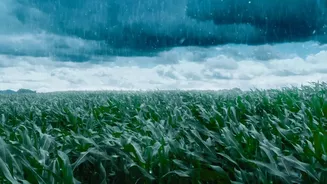
The core of the problem isn't necessarily less rain overall, but how it arrives. Scientists have observed a worrying trend across many parts of India: fewer rainy days, but more intense, concentrated downpours when it does rain. This is punctuated by
longer-than-usual dry spells, even within the monsoon season. This unpredictability disrupts the delicate balance that forests have maintained for centuries. Ecosystems that evolved with steady, predictable moisture are now being subjected to shocks—first by floods and then by drought-like conditions.
From Soil to Canopy
When rain falls in extreme bursts, it does more harm than good. The hard, sun-baked soil in a prolonged dry spell can't absorb the sudden deluge. Instead of seeping into the ground to recharge groundwater and nourish roots, the water sheets across the surface, causing massive soil erosion. This strips away the nutrient-rich topsoil that trees depend on. A study in central India's Panchmarhi Biosphere Reserve, for example, linked shifting rainfall and rising temperatures to significant forest degradation. For trees, this double jeopardy of water stress is critical. During droughts, their internal water transport systems are strained, and in severe cases, this can lead to 'hydraulic failure,' essentially a fatal disruption of their ability to stay hydrated.
The Growing Threat of Wildfires
The long, dry periods between intense rains are creating tinderbox conditions in forests that were not previously considered fire-prone. The consistent warming and reduced precipitation have been identified as drivers of increased forest fires. When forests are stressed from lack of water, they become far more vulnerable. Dry leaves and undergrowth provide ample fuel, and a single spark can ignite a devastating blaze. This not only destroys vast tracts of forest but also releases huge amounts of stored carbon into the atmosphere, further exacerbating climate change. Experts note that a combination of extreme heat and drought is particularly lethal, increasing tree mortality and potentially leading to shifts in the types of forests that can survive in a region.
A Cascade of Consequences
The impact ripples through the entire ecosystem. Changes in the lifecycle of trees—a field known as phenology—are already being observed. For instance, some trees are found to be developing leaves earlier than usual due to moisture deficits and warmer winters. Such shifts can create a mismatch between when flowers bloom or fruits ripen and the arrival of the pollinators and seed-dispersers that depend on them. This threatens biodiversity, from the smallest insect to large mammals. The degradation of forests also has a direct human cost. Forests are the catchments for hundreds of rivers, and their health is directly linked to water security for millions. Their destruction can affect rainfall distribution in a country whose economy heavily relies on agriculture.
From the Ghats to the Himalayas
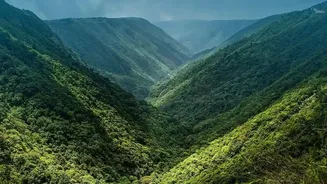
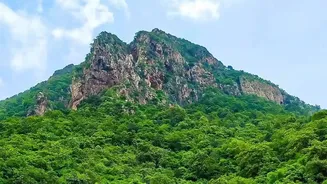
The effects vary across India's diverse landscapes. In the tropical forests of central India, studies have documented a loss of forest cover, with dry teak forests being particularly hard hit. In the Western Ghats, a global biodiversity hotspot, rising temperatures and unpredictable weather are threatening to transform the region's unique shola forests. Meanwhile, in the Himalayas, changing precipitation patterns can lead to both shrinking alpine forests and increased risks of landslides on soil left bare by dying vegetation. The Northeast has also seen significant forest loss, where climate shifts are a contributing factor alongside other pressures.