





Know Your Rights Before You Book
In India, the rights of air travellers with disabilities are protected by the Directorate General of Civil Aviation (DGCA). The core principle of these regulations is that no airline can refuse to carry a person based on their disability or reduced mobility.
Airlines are mandated to provide assistance at no extra cost, from the terminal entrance, through security, to the aircraft seat, and similarly upon arrival. This assistance is a legal right, not a favour. Following an incident in 2022, regulations were strengthened, clarifying that an airline can only deny boarding on documented medical grounds after an examination by a doctor. Understanding this foundation empowers you to advocate for your needs effectively throughout the travel process.
The Critical First Step: Booking Your Assistance
The single most important step for a smooth journey is to inform the airline of your specific needs at the time of booking. All Indian carriers like Air India, IndiGo, and others have a 'Special Assistance' or similar section on their booking websites and apps. Here, you can request services using standard codes. The most common are 'WCHR' for passengers who can walk short distances but need a wheelchair for longer distances, 'WCHS' for those who cannot manage stairs, and 'WCHC' for passengers who are completely immobile and need assistance to their cabin seat. It is crucial to make this request at least 48 hours before your flight. This notice period allows airlines and ground staff to properly schedule personnel and equipment, significantly increasing the chances of timely assistance.
Communicate Clearly and Confirm Everything
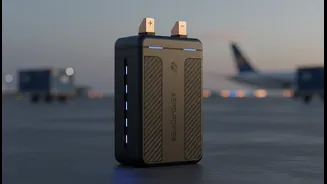
Booking the service is just the start. It is wise to follow up with the airline's customer service centre 48 to 72 hours before your travel date to confirm they have your Special Service Request (SSR) linked to your booking. Be specific about your needs. Do you need help from the kerb-side drop-off point? Are you travelling with your own wheelchair? If so, know its dimensions and battery type. If you are travelling with your own mobility aid, you can typically use it right up to the aircraft door, after which it will be stored in the hold. Clear communication prevents misunderstandings and ensures the correct level of assistance is ready for you when you arrive at the airport.
Documentation and Medical Forms
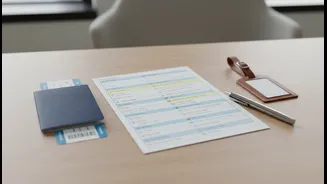
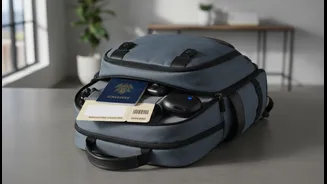
For most standard wheelchair requests (WCHR and WCHS), a medical certificate is not required. However, if a passenger has a condition that might require medical attention during the flight, needs a stretcher, or requires in-flight oxygen, the airline will likely require a Medical Information Form (MEDIF) to be completed by a doctor. It's also a good practice to carry a letter from your doctor summarising your condition, a list of medications, and any other relevant medical documentation, especially for international travel. If you have a government-issued disability ID card (UDID), keep it handy.
Strategic Packing and Preparation
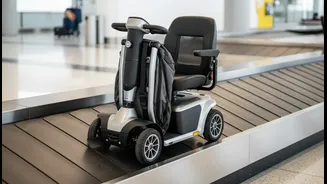
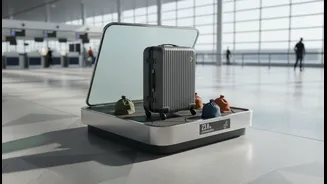
How you pack can significantly impact your journey. Pack all medications, essential medical supplies, and a change of clothes in your carry-on luggage. If you use a personal wheelchair, remove all detachable parts like cushions, footrests, or joystick controls and carry them with you in the cabin to prevent loss or damage. It's also a good idea to take photos of your wheelchair or scooter from multiple angles before handing it over to the airline, creating a record of its condition. Labelling your equipment with your name and contact details is another simple but effective measure.