





From Solo Act to Orchestra Conductor
For over fifty years, the Indian Space Research Organisation (ISRO) was the sole architect of India's journey to the stars. From developing rockets to launching satellites, it operated as a self-reliant, state-led monopoly. This model brought immense
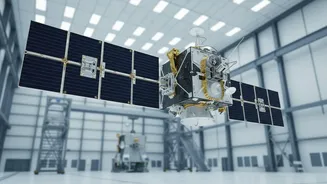
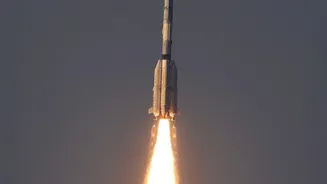
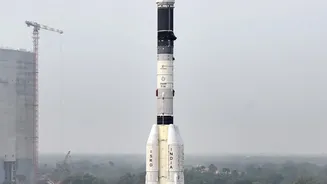
success, placing India in an elite club of space-faring nations. However, the global space economy, now valued in the hundreds of billions of dollars, began to change rapidly. To keep pace and unlock the nation's full potential, a strategic pivot was necessary. The Indian government initiated historic reforms, culminating in the Indian Space Policy 2023. This policy fundamentally redefined ISRO's role. Instead of doing everything itself, ISRO is now transitioning to focus on what it does best: advanced research and development, deep space exploration, and pioneering national missions like human spaceflight. The routine work of building rockets and satellites, and providing commercial services, is now being opened up to the private sector. ISRO is evolving from the lone player into the conductor of a national space orchestra.
Meet the New Gatekeepers
To manage this new public-private ecosystem, the government established two key entities: IN-SPACe and NewSpace India Limited (NSIL). Think of IN-SPACe (Indian National Space Promotion and Authorisation Centre) as the single-window facilitator and regulator. It's the front door for any private company wanting to enter the space sector. It assesses their proposals, authorises their missions, and helps them gain access to ISRO's invaluable infrastructure, such as testing facilities and launchpads. NSIL, on the other hand, is the primary commercial arm of the Department of Space. Established in 2019, its role is to commercialise ISRO's proven technologies by transferring them to industry partners and to procure launch vehicles and satellites from private players to serve market demand. Together, these two bodies create a clear, predictable framework, ensuring that private companies have a structured path to participate and innovate, while ISRO is freed up to focus on next-generation science and exploration.
The Launchpad for Private Ambition
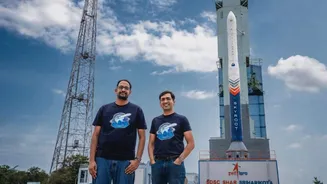
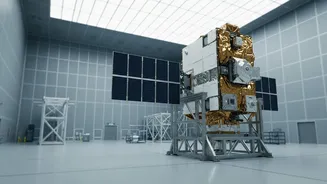
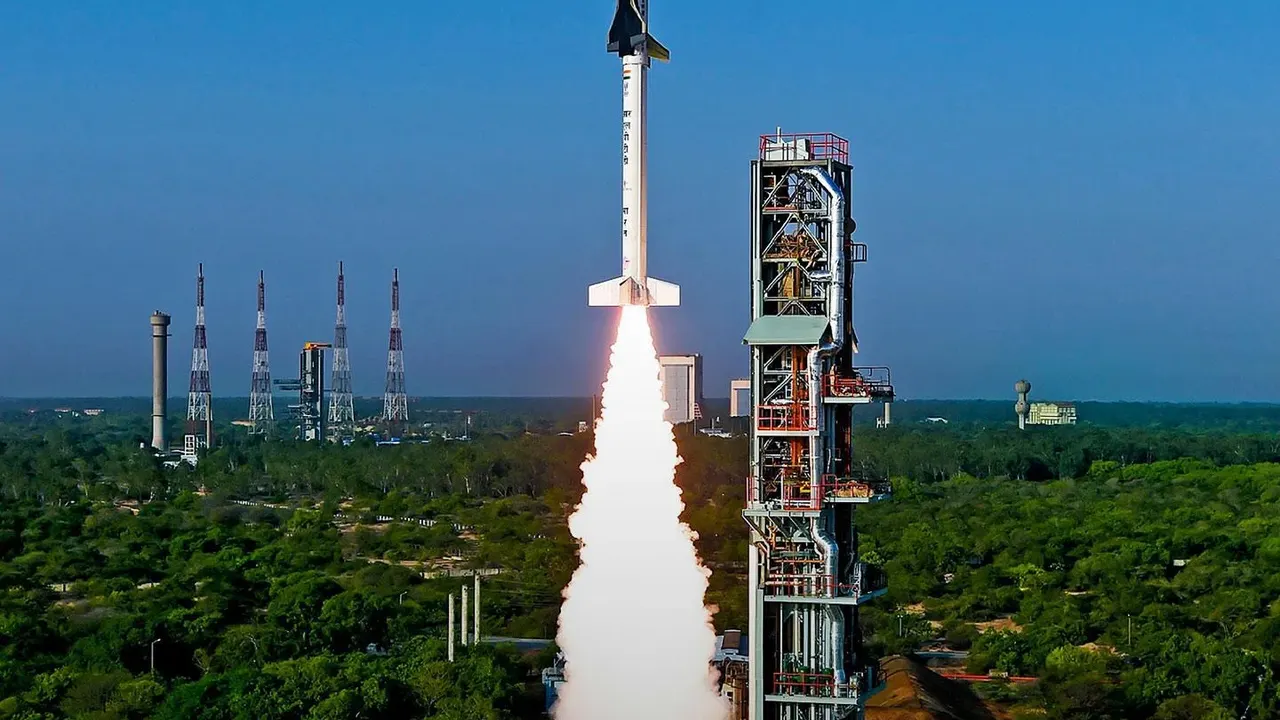
So, what are the actual opportunities for these startups? They are vast and span the entire space value chain. Private firms can now undertake end-to-end activities, from building their own launch vehicles to operating satellite constellations. Companies like Skyroot Aerospace and Agnikul Cosmos are pioneering privately developed launch vehicles. Skyroot's Vikram-1 mission in July 2026 was a milestone, making India only the third country with a privately developed orbital rocket. Other startups like Pixxel are focusing on building constellations of advanced Earth-observation satellites for applications in agriculture and climate monitoring. The opportunities extend to manufacturing critical subsystems, such as propulsion systems by Bellatrix Aerospace, providing satellite-based services, and developing downstream applications that analyze space data for various industries. Essentially, any area once reserved for ISRO is now a potential market for private enterprise.
Investors Take Notice
This policy shift has sent a clear signal to the investment community. Venture capital is flowing into the Indian space-tech sector at an unprecedented rate. According to market intelligence firm Tracxn, Indian space startups have raised over $871 million as of July 2026. The funding momentum has accelerated significantly since the reforms, with 2026 alone seeing $113 million invested in the first seven months. This influx of capital has led to major milestones, including Skyroot Aerospace becoming the country's first space-tech unicorn with a valuation over $1 billion. The growing investor confidence, from domestic VCs to global institutional funds, validates the commercial viability of India's private space ecosystem and provides the fuel needed for these ambitious startups to scale their operations and compete globally.