







The Psychology of the Crowd
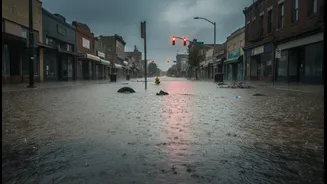
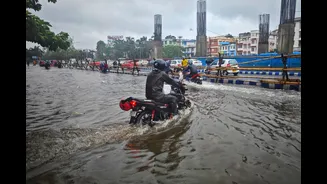
Why do people walk into obviously flooded streets? The answer often lies in a powerful psychological shortcut: social proof. When we are uncertain, we look to others for cues on how to behave. If dozens of people are wading through a flooded lane, our
brain interprets it as a sign of safety. We assume that if it were truly dangerous, no one would be doing it. This 'herd mentality' lowers our personal sense of risk and encourages us to follow the crowd, even when logic might suggest otherwise. However, in a flood, the person in front of you has no more information about a submerged, live wire than you do. They are simply gambling, and by following them, you are joining the bet.
How Water Becomes a Weapon
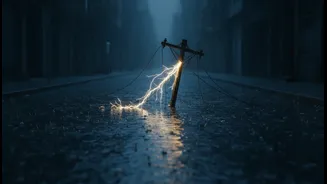
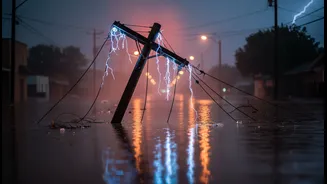
Pure water is a poor conductor of electricity, but the water flooding city streets is far from pure. It is a soup of dirt, sewage, salts, and minerals, which make it highly conductive. When a damaged power line falls into this water, or when a submerged electrical box or faulty underground cable becomes compromised, the entire body of water can become electrified. The current doesn't stay near the source; it spreads outwards, creating a wide, invisible field of danger. You do not need to touch the wire itself to be electrocuted. Simply stepping into the energized water can complete the circuit through your body, leading to severe injury or death.
The Hidden Sources of Danger
The risk of electrocution during urban floods comes from multiple sources, many of which are invisible beneath murky water. Downed overhead power lines are the most obvious threat, but they are not the only one. Ageing infrastructure, a common issue in many Indian cities, means electricity poles may be unstable, and streetlights can have corroded, exposed wiring. Underground cables, junction boxes, and transformers that are not properly sealed can be inundated, energizing the surrounding water. Even metal objects not directly related to the power grid, such as railings, gates, and signposts, can become deadly conductors if they come into contact with a live electrical source. The number of electrocution incidents during every monsoon season serves as a tragic reminder of these pervasive risks.
The Rules for Staying Safe
Given the unpredictable nature of these hazards, the only winning move is not to play. Authorities like the National Disaster Management Authority (NDMA) provide clear guidelines. The single most important rule is to avoid walking or driving through waterlogged streets. It is impossible to know the depth of the water or what dangers lie beneath. If you see a downed power line, stay far away, warn others, and report it immediately to your local electricity board. At home, if water begins to enter your premises, your first action should be to turn off the main power supply, but only if you can do so from a dry location. Never attempt to turn off a breaker box while standing in water. It's also wise to unplug appliances during heavy storms to prevent damage from power surges.