







Beyond the Annual Audit
Traditional food safety often revolves around preparing for scheduled inspections. It’s a system built on checklists and compliance, where the goal is to meet a standard at a specific point in time. While essential, this approach can create a mindset
where safety is a task to be completed rather than a value to be lived. The real risks in food production don’t wait for an audit; they emerge moment-to-moment on the kitchen floor or the factory line. A temperature dip, a contaminated surface, or improper handwashing can compromise an entire batch of product. Relying solely on periodic checks means you’re always reacting to problems after they’ve occurred. Process hygiene offers a proactive alternative, transforming food safety from a defensive posture into an offensive strategy built into the fabric of daily operations.
What Exactly is Process Hygiene?
Process hygiene is the principle of embedding sanitary measures and safety checks into every single step of the production workflow, from receiving raw materials to serving the final customer. It’s a holistic system that views food safety not as a separate department, but as an integral part of everyone's job. Think of it as the difference between a standalone fire drill and building a fire-resistant structure. Instead of just practicing for an emergency, you build safety into the very design. This approach goes beyond standard systems like HACCP (Hazard Analysis and Critical Control Points) by focusing on the 'how' and 'who' of daily practices, fostering a culture where safety is second nature. Every employee, from the CEO to the cleaning crew, understands their role in preventing contamination at every stage.
Making it a Daily Reality
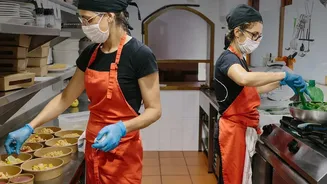
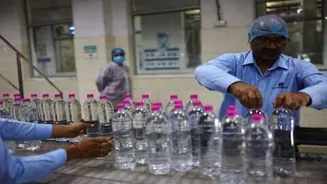
Implementing process hygiene means breaking down large safety goals into small, repeatable actions for every shift. For a restaurant cook, it might mean using designated colour-coded cutting boards for raw and cooked items without fail. For a line worker in a packaging plant, it’s about following the exact sanitisation protocol for their equipment before their shift begins and after it ends. A manager’s role shifts from enforcer to coach, consistently reinforcing these habits through training and positive recognition. Key practices include establishing clear Standard Operating Procedures (SOPs) for every task, conducting frequent but brief 'huddles' to discuss hygiene points, and empowering employees to flag potential issues without fear of blame. It’s about making the right way the easiest way.
The Business Case for a Safety Culture
Adopting process hygiene isn't just about public health; it's a powerful business strategy. For businesses in India, a strong food safety culture is crucial for meeting FSSAI standards and building consumer trust. When hygiene is integral to the process, the risk of costly product recalls, foodborne illness outbreaks, and reputational damage plummets. Operations become more efficient, with less waste from spoiled ingredients or contaminated batches. Employees who feel empowered and responsible are often more engaged and committed, leading to lower turnover. Ultimately, a business known for its impeccable safety standards gains a significant competitive advantage. Customers are increasingly savvy, and a reputation for safety and quality is a brand asset that pays lasting dividends.