





The Ancient Grain’s Modern Comeback
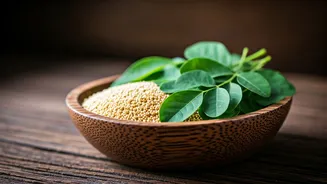
For generations, ragi, or finger millet, was a staple in the rural heartlands of Southern India, particularly in Karnataka and Andhra Pradesh. Valued for its resilience in arid conditions, this humble grain was the food of farmers and labourers, providing
sustained energy for a hard day's work. But in the age of polished rice and refined wheat, ragi was often overlooked in urban households. That is, until now. A collective shift towards wellness, mindful eating, and an appreciation for indigenous crops has propelled ragi from relative obscurity into the spotlight. It’s now a hero ingredient in health-conscious cafes, supermarket aisles, and, most importantly, our home kitchens. This isn't just about nostalgia; it's about rediscovering a nutritional powerhouse that was hiding in plain sight.
A Nutritional Powerhouse in Every Bite
So what's all the fuss about? The health benefits of ragi are impressive and well-documented. Firstly, it is an absolute champion of calcium, containing significantly more of the bone-building mineral than most other cereals. This makes it an excellent dietary addition for children, women, and the elderly. Ragi is also a fantastic source of dietary fibre, which aids digestion, promotes a feeling of fullness, and helps in managing blood sugar levels. For this reason, it has a low glycemic index, meaning it releases sugar into the bloodstream slowly, providing steady energy without the dreaded mid-morning crash. Furthermore, it's packed with iron, essential amino acids, and is naturally gluten-free, making it a wonderful option for those with gluten sensitivity or celiac disease. In essence, starting your day with ragi is like giving your body a comprehensive nutritional package.
Why the Dosa Form Is Perfect
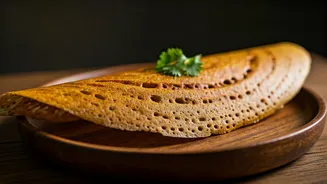
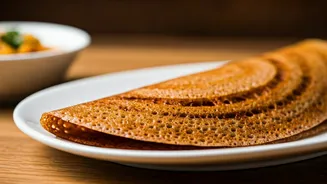
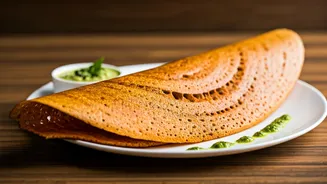
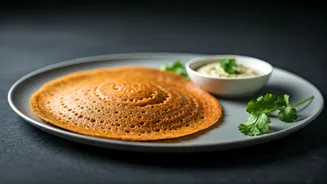
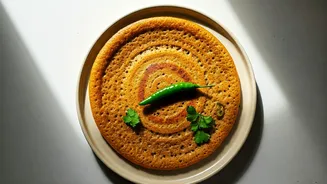
While ragi can be made into porridge (ragi kanji) or mudde (dumplings), the dosa format has been key to its mainstream success. The dosa is a universally loved South Indian classic, and incorporating ragi into it feels like a natural, delicious upgrade rather than a compromise. The familiar, comforting form makes the transition to a healthier grain effortless. A well-made ragi dosa is a textural delight—crispy and lacey at the edges, yet soft in the centre. Its slightly earthy, nutty flavour pairs beautifully with the tangy spice of sambar and the fresh zing of coconut chutney. This seamless integration into a beloved dish is crucial; it allows families to enjoy the benefits of ragi without feeling like they are on a restrictive health diet. It proves that healthy eating doesn’t have to be bland or boring.
Making the Perfect Ragi Dosa at Home
Bringing this healthy habit into your own kitchen is surprisingly simple. You have two main options: the traditional fermented batter or a quick instant version. For the fermented style, you simply substitute a portion of the rice in your regular dosa batter with ragi flour (a 1:1 ratio of ragi to rice is a good starting point). This method yields a softer dosa with a pleasant, tangy depth. For those short on time, the instant ragi dosa is a lifesaver. Just mix ragi flour with a bit of rice flour or semolina (suji) for crispiness, add buttermilk or curd, water, finely chopped onions, green chillies, and coriander. Let the thin batter rest for 15-20 minutes, then pour it onto a hot tawa. The key to a crispy instant dosa is a very hot pan and a thin, watery batter. Don't be afraid to experiment with the consistency to find the texture you love.