






The wellness world is obsessed with protein, with more brands than ever adding it to everything. But what if the secret to a longer, healthier life isn't more protein, but less? A major scientific review is challenging this popular belief.
The Core Idea: A Challenge to 'More is Better'
For years, the
prevailing wisdom has been to load up on protein for muscle growth, repair, and overall health. From fortified cereals to protein water, the message is clear: more is better. However, a sweeping review of over 350 scientific studies published in a Cell Press journal suggests a different story. Researchers found growing evidence that reducing protein intake could help slow biological ageing, improve metabolism, and potentially extend lifespan. This doesn't mean protein is bad; its benefits for active individuals are undisputed. But the review raises an important question for the majority of us who are relatively sedentary: could we be consuming far more protein than our bodies actually need, with potential negative consequences?
What the Science Says About Longevity
The review highlights that scientists have known for decades that calorie restriction can extend lifespan in various organisms, from flies to rodents. Restricting protein appears to offer similar benefits without the difficulty of constant hunger. The proposed mechanism involves shifting the body’s cells from a state of 'growth' to one of 'repair and recycling'. A key player in this process appears to be a hormone called Fibroblast Growth Factor 21 (FGF21). When protein intake is limited, FGF21 levels rise, which is linked to increased energy expenditure, better blood sugar control, and reduced inflammation—all hallmarks of healthier ageing. While most of these longevity studies were in animals, recent human trials have also shown that reducing protein intake can lead to weight loss, decreased body fat, and improved fasting blood sugar levels.
It’s Not Just How Much, But What Kind
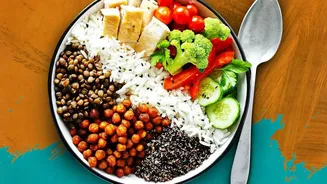
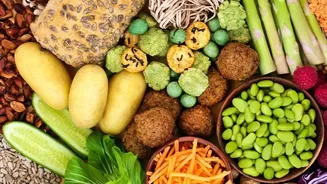
The conversation becomes more nuanced when we look at the source of the protein. Multiple large-scale studies suggest a significant difference between animal and plant-based proteins. Higher intake of plant protein is consistently associated with lower overall mortality and a reduced risk of chronic diseases. One study found that replacing just three percent of calories from animal protein (especially processed red meat) with plant protein was linked to a ten percent lower risk of death from any cause. Plant-based proteins come packaged with fibre, antioxidants, and other beneficial nutrients. In contrast, high consumption of animal protein, particularly red and processed meats, is often linked to a higher risk of conditions like heart disease. This suggests that the type of protein you eat may be just as important as the total amount.
The Critical Role of Age and Activity
Here's where the advice gets personal and can seem contradictory. While lower protein intake may be beneficial for sedentary, middle-aged adults, the opposite is true for older adults. After age 60, the body becomes less efficient at using protein, a phenomenon known as 'anabolic resistance'. To combat age-related muscle loss (sarcopenia), which increases the risk of falls, frailty, and loss of independence, older adults generally need more protein, not less. Experts in ageing now recommend that adults over 65 consume 1.0 to 1.2 grams of protein per kilogram of body weight, significantly more than the standard recommendation for younger adults. Regular physical activity, especially resistance training, is also crucial and works in tandem with adequate protein to preserve muscle function throughout life.
So, What’s the Takeaway for You?
This major review doesn’t provide a universal command to slash your protein intake. Instead, it serves as a crucial reminder that nutritional needs are not one-size-fits-all. The key takeaway is that blindly chasing high-protein targets, especially if you lead a sedentary lifestyle, may not be the optimal strategy for long-term health. For many people, simply eating a balanced diet with varied protein sources will be sufficient. If you are in middle age, shifting the balance of your protein intake more towards plant-based sources could offer significant health advantages. However, if you are over 60, are very physically active, or have certain health conditions, ensuring you get enough high-quality protein is vital to maintaining strength and function. The focus should be on moderation, protein source, and your individual context rather than just a number.