



Beyond the Usual Fizz
For years, the non-alcoholic section of most café menus was a predictable affair: a few standard carbonated drinks, a pre-packaged juice, and perhaps a classic lemonade. But a significant shift is underway. Driven by a growing consumer desire for healthier,
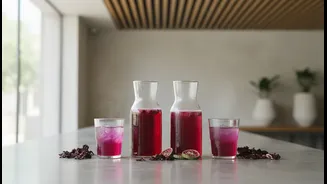
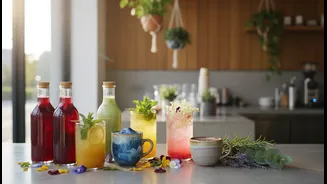
more authentic, and unique flavour experiences, café owners are looking inward—and finding inspiration in their own backyards. This has given rise to a new category of premium, house-made soft drinks that proudly showcase India’s rich agricultural diversity. These are not just drinks; they are thoughtfully crafted beverages that tell a story of place and season.
A Celebration of Regional Flavours
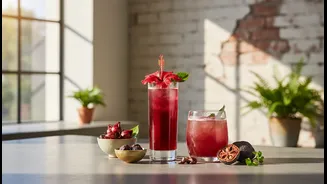
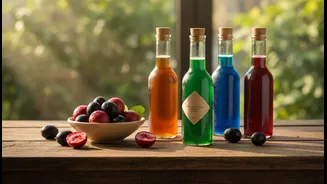
The stars of this new beverage movement are ingredients that have been staples in Indian households for generations but are now being presented in modern, premium formats. Think of coolers and fizzes made from the tangy, deep-red kokum from the Konkan coast, or the earthy, sweet bael (wood apple) from the plains of North India. Other regional heroes making their way onto menus include the tart and astringent jamun (black plum), the aromatic Gondhoraj lime from Bengal, and even savoury elements like the timut pepper from Uttarakhand. These ingredients are being used to create everything from sparkling coolers and fermented sodas to artisanal sharbats and complex, layered mocktails that offer a genuine taste of Indian terroir.
The Innovators Behind the Counter
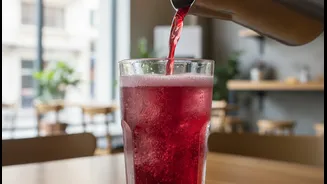
Across India, independent cafés are championing this trend. While it is a widespread movement, you can see its spirit in places that focus on local and seasonal produce. For instance, a café in Delhi might offer a refreshing sattu limeade, a protein-rich cooler popular in Bihar, or a fizzy kokum drink, showcasing its versatility beyond the western coast. In Mumbai and Bengaluru, cafes are experimenting with everything from house-made kombuchas to drinks featuring yuzu and matcha, reflecting a global trend but with a distinctively local approach. The focus is on small-batch production, which allows for greater control over flavour and quality, a stark contrast to large-scale soda manufacturing. These café owners are acting as curators, reintroducing familiar flavours in exciting new contexts.
A Thirst for Something Different
Several factors are fuelling this delicious trend. Health consciousness is a major driver, with consumers actively seeking alternatives to high-sugar, artificially flavoured drinks. There's also a growing appreciation for localism and sustainability; customers are increasingly interested in where their food and drinks come from and are keen to support local farmers. Furthermore, the non-alcoholic beverage market in India is booming, with projections showing significant growth as people seek more sophisticated and functional drink options. This movement is about more than just quenching thirst. It’s part of a broader cultural shift towards mindful consumption, where quality, origin, and craftsmanship are highly valued.