


Estrada Nacional 2: The Heart of Portugal
Often called Portugal's answer to America's Route 66, the Estrada Nacional 2 (N2) is an epic journey through the country's very core. Stretching over 739 kilometres from the Roman spa town of Chaves in the north to the coastal city of Faro in the south,
it's the only road that crosses the entire nation. This is not a trip to be rushed; a proper exploration takes anywhere from four to seven days. The route showcases the incredible diversity of Portugal's landscapes, starting with the mountainous, twisting roads of the north, passing through the world-famous Douro Valley wine region, crossing the rolling hills of the central heartlands, and finally straightening out across the sun-drenched plains of the Alentejo. Along the way, you'll encounter historic towns like Lamego and Viseu, discover hidden river beaches, and pass through villages that feel untouched by time. For a unique souvenir, you can even pick up an N2 Passport at a tourist office and collect stamps from the 35 municipalities the road traverses.
The N222: The World's Best Driving Road?
While the N2 offers a grand tour, a smaller, more concentrated slice of road has earned global acclaim. The N222, particularly the 27-kilometre stretch between Peso da Régua and Pinhão in the Douro Valley, was once named the 'World's Best Driving Road'. This section of road hugs the Douro River, offering 93 bends with near-perfect views of the UNESCO-listed terraced vineyards that rise steeply from the water's edge. The drive itself is a destination, a slow-paced glide through one of the most beautiful man-made landscapes on earth. It's an essential experience for anyone visiting the Douro, connecting the region's main towns and serving as the gateway to numerous famous 'quintas' (wine estates) for tastings. While the drive takes less than an hour without stops, you should allow for at least half a day to pull over at viewpoints and truly soak in the scenery.
The Costa Vicentina: Portugal's Wild West Coast
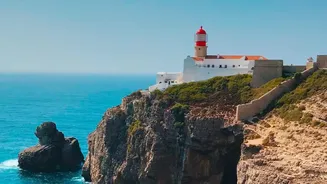
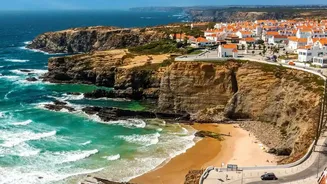
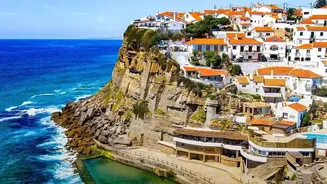
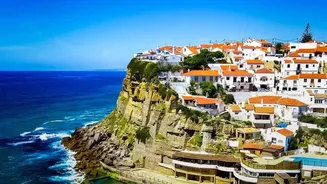
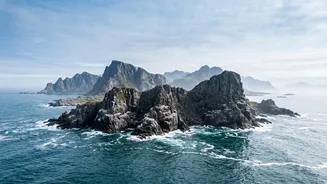
For a completely different kind of scenery, head to the Southwest Alentejo and Vicentine Coast Natural Park. This protected stretch of coastline is one of the last wild coasts in Southern Europe. The main route here threads together dramatic sea cliffs, vast empty beaches, and charming whitewashed villages like Porto Covo and Zambujeira do Mar. Unlike the calm waters of the Algarve, the Atlantic here is powerful, making it a paradise for surfers and those who love rugged, windswept nature. The best way to explore is by car, which gives you the freedom to turn down narrow roads leading to secluded beaches like Praia da Arrifana or Praia de Odeceixe. The area is also famous for the Rota Vicentina, a network of walking trails, but driving allows you to cover more ground and link stunning coastal spots with inland discoveries. Plan for at least three to five days to do it justice.
Peneda-Gerês National Park: A Northern Wilderness
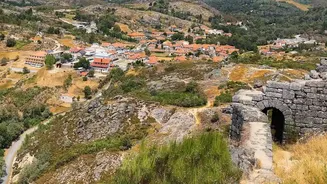
In Portugal's far north lies its only national park, Peneda-Gerês, a rugged landscape of granite mountains, dense oak forests, and cascading waterfalls. Getting here from Porto takes about 90 minutes, but you'll need a car to properly explore the park's winding roads. This is a journey into a wilder side of Portugal, where you're likely to encounter free-roaming Garrano ponies or herds of cattle on the road. Key sights include the traditional stone granaries (espigueiros) in the villages of Soajo and Lindoso, the submerged village of Vilarinho da Furna (visible when reservoir levels are low), and the stunning Arado Waterfall. The drive itself is an adventure, with narrow, cobbled roads leading to breathtaking viewpoints like Miradouro da Pedra Bela. Be sure to fill up on fuel before entering the park, as services are sparse.
The Alentejo: Plains, Cork, and Castles
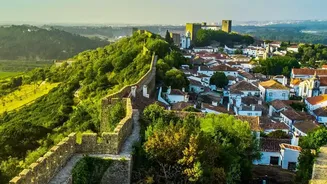
The Alentejo region, covering a huge portion of southern Portugal, offers a landscape of serene, wide-open spaces. Driving here is a calming experience, with long, straight roads cutting through plains dotted with cork oak and olive trees. A great route takes you from the UNESCO World Heritage city of Évora towards the stunning hilltop village of Monsaraz, which overlooks the vast Alqueva Dam. This area is known as a 'Dark Sky Reserve', making it incredible for stargazing. Another route follows the Guadiana River along the Spanish border, linking historic towns like Mértola and Marvão. The Alentejo is about slow travel, with detours to visit megalithic sites, explore fortified towns, and enjoy the region's hearty cuisine and robust wines.