


The Portal to a Different World
For decades, Lahaul was a land accessible for only a few months a year, hidden behind the treacherous Rohtang Pass. The opening of the Atal Tunnel has changed everything. This nine-kilometre engineering marvel doesn't just cut down travel time; it acts
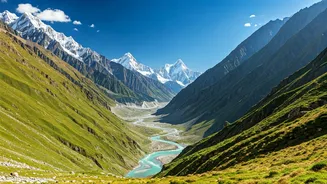
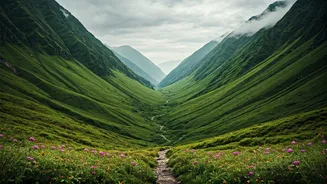
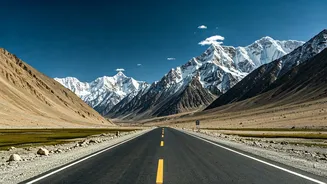
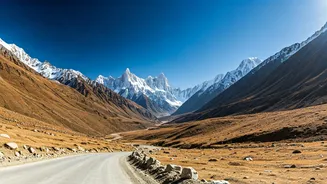
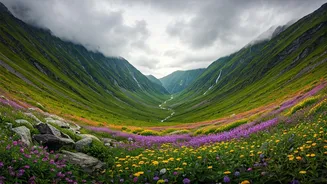
as a portal. As you drive out of the tunnel's north portal, you leave the bustling, commercialised chaos of Manali behind and emerge into a different reality. The landscape transforms instantly. The lush green slopes of Kullu are replaced by the stark, majestic, and rocky mountains of the Lahaul Valley. The air feels crisper, the colours more saturated, and the silence more profound. This is where your escape truly begins.
Sissu: Your First Taste of Serenity
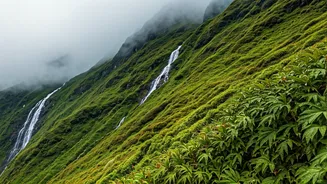
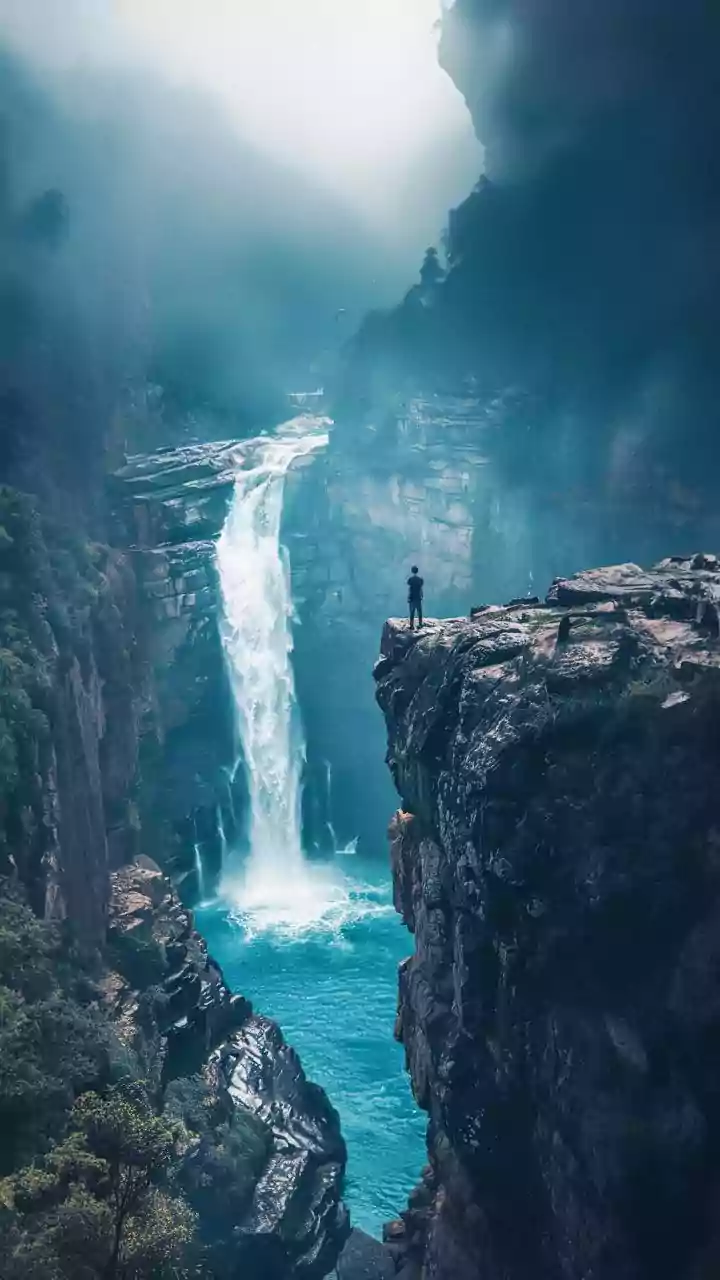
Just a short, scenic drive from the tunnel, Sissu is the first major settlement you'll encounter, and it serves as a perfect introduction to Lahaul's charm. Perched on the banks of the Chandra River, the village is dominated by the view of a stunning waterfall cascading down a distant cliff, locally known as Palden Lhamo dhar. Unlike its counterparts on the other side of the pass, Sissu remains relatively quiet. You can spend hours simply sitting by the river, watching the water rush past, or take a short hike up towards the waterfall. Recent development has brought comfortable hotels and homestays, but the vibe remains peaceful. It’s a place to acclimatise, not just to the altitude, but to a slower pace of life.
Keylong and Jispa: The Heart of the Valley
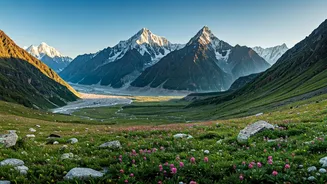
Driving further along the Manali-Leh highway, you reach Keylong, the administrative centre of the Lahaul and Spiti district. While it's the most 'developed' town in the valley, it feels more like a quiet mountain village than a bustling hub. Keylong is an excellent base for exploring nearby monasteries like Kardang and Shasur, which offer breathtaking views and a deep sense of spiritual calm. Just 20 kilometres ahead lies Jispa, a traveller’s paradise. This hamlet is little more than a collection of guesthouses, homestays, and campsites spread out along the Bhaga River. Waking up in a tent in Jispa, with the sound of the river and the sight of snow-dusted peaks, is an experience that defines the Lahaul dream. It’s the opposite of a packed resort; it’s immersion.
The High-Altitude Wilderness Beyond
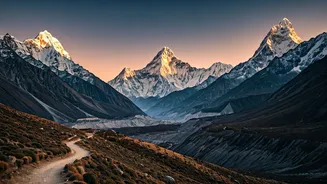
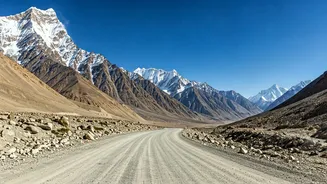
For those willing to venture further, Lahaul reveals its rawest, most dramatic side. The journey towards the Baralacha La pass is a high-altitude spectacle. The road snakes past Deepak Tal, a small but stunningly blue lake that reflects the surrounding barren mountains. A little further up is the larger and even more magnificent Suraj Tal, the 'Lake of the Sun God', one of the highest lakes in India. This is the 'high altitude rocky Lahaul' of your imagination. The vegetation disappears, replaced by a moonscape of rock, snow, and ice. The scale is immense and humbling. It’s a powerful reminder of nature’s raw power and a world away from the curated experiences of commercial tourism.
A Practical Guide to Your Escape
Planning a trip to Lahaul requires some preparation. The best time to visit is from May to October, when the weather is pleasant and the roads are clear. Altitude sickness is a real concern; ascend slowly and stay hydrated. Sissu is at about 10,000 feet, so spend a night there before heading higher. Pack layers of warm clothing, as temperatures can drop suddenly, even in summer. While connectivity is improving, don't expect seamless Wi-Fi. Instead, embrace the digital detox. Most importantly, travel responsibly. Lahaul’s fragile ecosystem is its greatest asset. Carry your waste back, respect local customs, and support local businesses like homestays and small eateries to ensure this paradise remains pristine.