

Why Millets, and Why Now?
For thousands of years, millets were the backbone of the Indian diet. Grains like Jowar, Bajra, and Ragi were everyday foods, long before wheat and rice became dominant. Their recent return to fame isn't just about nostalgia; it's driven by a modern understanding
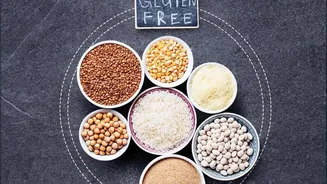
of their incredible benefits. The United Nations even declared 2023 the International Year of Millets, acknowledging their role in nutrition and sustainable agriculture. Millets are naturally gluten-free, packed with fibre, protein, and essential minerals like iron and calcium. They are also hardy crops that require less water, making them an environmentally friendly choice. This combination of health, heritage, and sustainability is why chefs and home cooks are falling in love with them all over again.
Meet the Mighty Millet Family
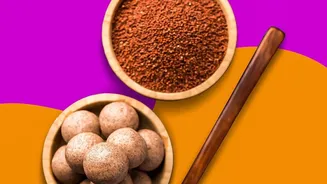
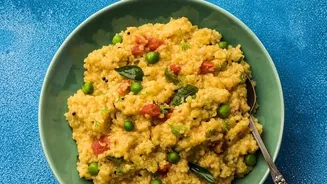
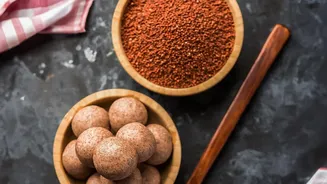
Getting started with millets is as simple as knowing the key players. Each has a unique flavour and texture. Jowar (Sorghum) is a versatile grain, often ground into flour for rotis or bhakri, and is known for being rich in antioxidants. Bajra (Pearl Millet), popular in Rajasthan, has a nutty flavour and is prized for its warming properties, making it a winter favourite. Ragi (Finger Millet) is a powerhouse of calcium and is famously used in South Indian dishes like dosas and porridge. Other popular varieties include Foxtail millet (Kangni/Thinai), which is light and great for upma, and Little millet (Samai), a soft, rice-like grain perfect for khichdi.
Simple Swaps for Everyday Cooking
Integrating millets doesn't require a complete kitchen overhaul. The easiest way to start is with simple swaps. Try replacing a portion of your regular wheat atta with ragi or jowar flour to make your rotis more nutritious. You can cook whole millets like foxtail or little millet just like rice and serve them with your favourite dal or curry. In batters for dishes like idli and dosa, you can substitute rice with millets for a healthier, earthier flavour. Even in baking, millet flours can add a wholesome, rustic touch to cakes and cookies.
Reinventing Breakfast
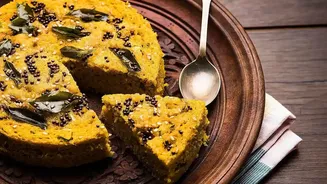
Breakfast is the perfect meal to start your millet journey. A warm bowl of Ragi porridge (kanji), either sweet with jaggery or savoury with buttermilk and spices, is a comforting and filling start to the day. You can make a quick and flavourful upma using foxtail or kodo millet instead of semolina. For a classic South Indian breakfast with a twist, try making instant Ragi dosas or fluffy millet idlis. These dishes are not only packed with nutrients but also cook quickly, making them ideal for busy mornings.
Modern Twists on Lunch and Dinner
Millets can easily become the star of your main meals. Move beyond traditional rotis and explore dishes like millet biryani, where the grains absorb the aromatic spices beautifully. A creamy Bajra khichdi offers a wholesome and satisfying one-pot meal, especially during colder months. You can also get creative by using millet flour to make modern dishes like tacos with Jowar tortillas or savoury pancakes like Bajra chillas topped with fresh vegetables. These recipes showcase just how adaptable these ancient grains are to contemporary tastes.