

The Problem with Popularity
Shimla, Manali, Mussoorie, and Nainital are beautiful destinations, but their immense popularity has led to significant challenges. Overcrowded Mall Roads, long traffic jams, and inflated prices can detract from the serene mountain experience many travellers
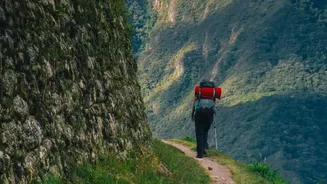
crave. The constant hustle can make a holiday feel less like a retreat and more like a city break. This has pushed discerning travellers to look beyond the obvious, seeking experiences that connect them more deeply with the landscape and local culture, far from the madding crowds. The answer lies not in abandoning the Himalayas, but in exploring its lesser-trodden paths.
Khaliya Top, Uttarakhand
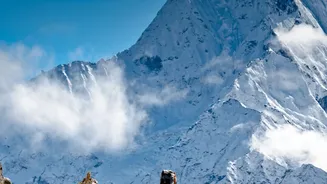
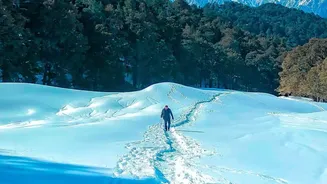
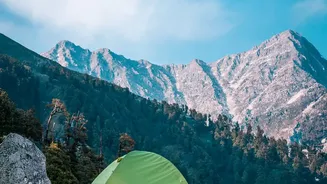
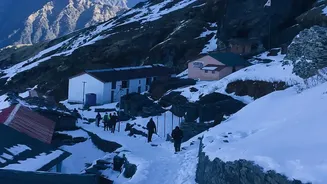
As a stunning alternative to the often-crowded trails around Nainital, Khaliya Top near Munsiyari offers a breathtaking panorama of the Panchachuli, Rajrambha, and Nanda Devi peaks. This relatively short trek, spanning over a weekend, takes you through dense forests of oak and rhododendron before opening up to a vast alpine meadow. The gradual ascent makes it accessible for most beginners with a decent fitness level. The final stretch to the 4,000-metre summit is a rewarding ridge walk that offers 360-degree views. It remains far less commercialised than its popular counterparts, offering a genuine sense of high-altitude wilderness without requiring weeks of preparation. The best time to visit is from March to June and again from September to November.
Sainj Valley, Himachal Pradesh
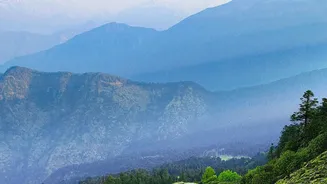
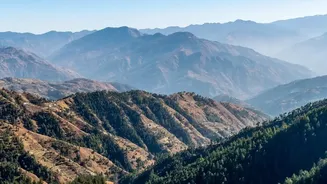
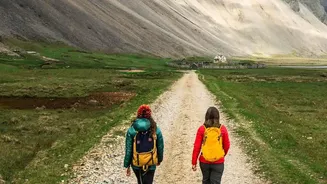
While the neighbouring Parvati Valley heaves with tourists, the Sainj Valley—part of the Great Himalayan National Park UNESCO World Heritage site—offers a much quieter, culturally rich experience. It’s an ideal choice for those who want a blend of nature and local Himachali life. The trek to the meadows of Shangarh is gentle and incredibly scenic, surrounded by deodar forests and traditional wooden homes. The main attraction is the serene atmosphere and the opportunity to interact with the warm, welcoming locals. Unlike the party-centric vibe of Kasol, Sainj is about slow travel, introspection, and appreciating the delicate ecosystem. This trek is accessible for most of the year, though it is at its greenest from April to October.
Deoriatal-Chandrashila, Uttarakhand
Often called one of the best all-round treks in the Garhwal Himalayas, the route to Deoriatal and Chandrashila Peak is a fantastic substitute for the busy trails near Mussoorie. The journey begins with a visit to the stunning Deoriatal lake, famous for its crystal-clear waters reflecting the mighty Chaukhamba massif. From there, the trail winds through vibrant rhododendron forests to the Tungnath temple, the highest Shiva shrine in the world. The final climb to the Chandrashila summit rewards trekkers with an unparalleled view of several major Himalayan peaks. While popular, it sees a fraction of the footfall of other major religious or tourist treks, preserving its tranquil and spiritual character. The spring season (March-April) is famous for rhododendron blooms, while autumn (September-November) offers the clearest skies.
Buran Ghati, Himachal Pradesh
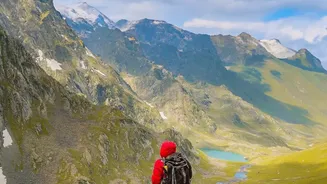
For seasoned trekkers looking for a challenging adventure away from the queues on Hampta Pass, Buran Ghati is an exceptional choice. This crossover trek from the Pabbar Valley to the Baspa Valley combines a thrilling pass crossing with diverse landscapes. The journey starts in the historic village of Janglik and traverses dense forests, vast green meadows, and culminates in a thrilling rappel down a snow wall at the pass. The trail is dotted with picturesque campsites, most notably the one beside the glacial Chandranahan Lake. Its difficulty and relative obscurity ensure that you will have large parts of this magnificent trail all to yourself, making it a true adventure for those willing to push their limits.