





Before You Step Out: Plan and Prepare
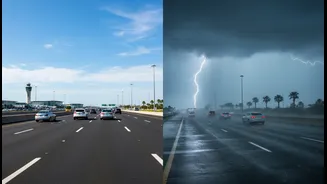
The smartest move you can make is before you even start your journey. Incessant rains can lead to sudden waterlogging and traffic jams. Check reliable weather apps like the IMD's official one and use live traffic updates on maps to assess the condition
of your route. Authorities in cities like Gurgaon and Mumbai have recently advised work-from-home arrangements during severe downpours, so check for local advisories. If the forecast is severe, with warnings of flash floods or extreme waterlogging, the safest option is to postpone non-essential travel. Pack a small emergency kit with a fully charged power bank, a waterproof bag for your phone and wallet, and some drinking water.
For Car Drivers: Navigating Waterlogged Streets
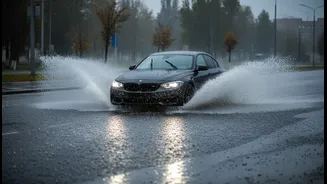
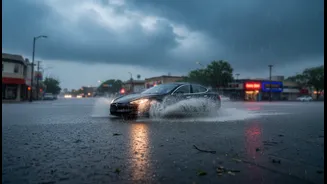
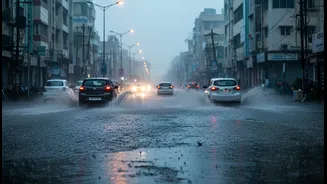
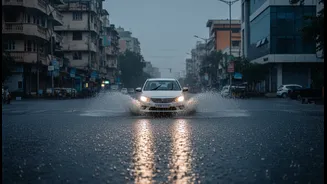
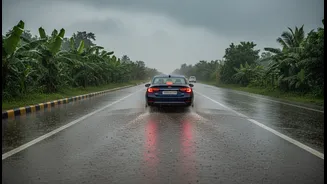
Driving a car can feel safe, but a few key precautions are vital. First, slow down significantly. Wet roads increase braking distances and the risk of hydroplaning, where your tyres lose contact with the road. Maintain double the usual distance from the vehicle in front of you. The biggest monsoon hazard is the flooded street. It’s impossible to know the depth of the water or what lies beneath, such as open manholes or deep, vehicle-damaging potholes. As a rule, avoid driving through any water that appears to be deeper than the centre of your wheels. If you must cross a shallow patch, do so slowly in a low gear while keeping the engine revs high to prevent water from entering the exhaust. If visibility drops severely, it's safer to pull over in a secure, elevated spot—not on the main road—and wait for the rain to subside.
For Two-Wheeler Riders: Your Safety Checklist
Riders on two-wheelers are the most vulnerable during rains. Visibility is your first line of defence. Wear a full-face helmet with a clear, anti-fog visor and opt for bright or reflective outerwear to make yourself visible to others. Your vehicle’s tyres must have adequate tread, and it can be beneficial to keep the tyre pressure slightly lower than the recommended level for a better grip on wet surfaces. The first shower of the season is often the most treacherous, as it lifts oil and grime from the tarmac, creating an exceptionally slippery film. Be gentle and smooth with your brakes, accelerator, and steering. Avoid braking hard on painted road markings or manhole covers, which become extremely slick. Stay vigilant for potholes hidden under puddles and always assume they are deeper than they look.
For Public Transport Users: Stay Alert
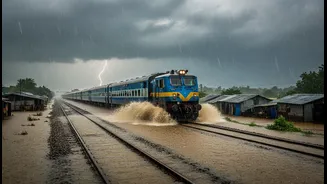
Using public transport like buses or local trains can be a good alternative to driving, but it comes with its own set of risks. Station floors, platforms, and footbridges become very slippery when wet. Always wear footwear with a good grip to avoid falls. Expect delays, as heavy rain often disrupts train and bus schedules due to waterlogging on tracks and roads. Keep away from the edge of railway platforms and never be tempted to cross the tracks. Overcrowding is common, so be mindful of your belongings and your footing. Listen carefully to public announcements for any last-minute changes, cancellations, or platform adjustments.
For Pedestrians: Watch Your Step
If you have to walk, be extremely cautious. Stagnant water can hide a multitude of dangers, from open drains and deep potholes to sharp debris. One of the most serious and overlooked risks is electrocution from submerged electrical boxes or fallen power lines. Never walk through flooded areas if you can avoid it. If you must, use a stick to gauge the depth and feel for hazards ahead. Try to stay as dry as possible and change out of wet clothes and shoes as soon as you can to avoid fungal infections and other illnesses. Also, be considerate of others and avoid splashing fellow pedestrians or two-wheeler riders.