


Understanding Pododermatitis
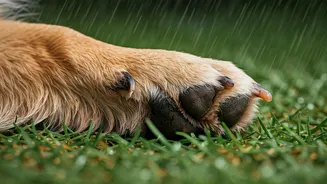
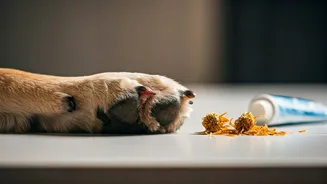
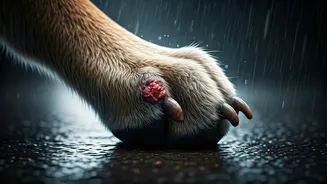
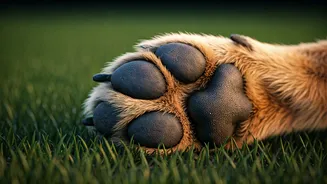
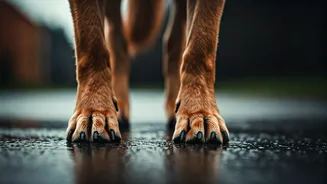
Pododermatitis is not a disease itself, but a medical term for inflammation of the skin on a dog's paws. It can affect the paw pads, the skin between the toes, the nail folds, and the surrounding areas. If you've ever noticed your dog excessively licking
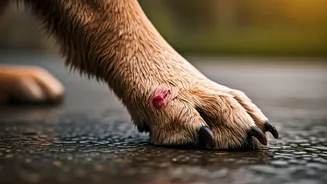
or chewing their feet, leaving reddish-brown saliva stains, or seen their paws become red and swollen, you've likely witnessed the signs of this uncomfortable condition. The inflammation can range from mild irritation to painful sores and infections, sometimes causing limping or a reluctance to walk.
Monsoon: The Perfect Storm for Paws
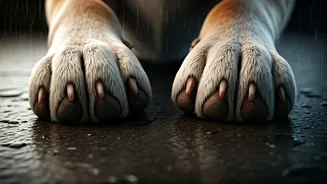
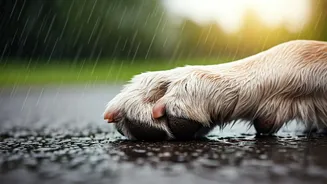
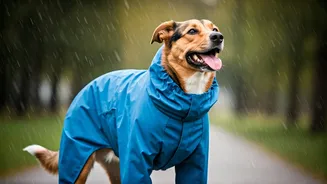
The Indian monsoon creates a perfect environment for paw problems to flourish. The constant dampness from wet streets, muddy puddles, and high humidity means your dog's paws rarely get a chance to be completely dry. This persistent moisture softens the paw pads and creates an ideal breeding ground for bacteria and fungi, like yeast. Every walk can expose paws to allergens and irritants in the environment, and any small cut or scrape can quickly become a gateway for infection in these wet conditions.
Spotting the Telltale Signs
Early detection is crucial. Be vigilant for signs of discomfort in your pet. The most common indicator is a change in behaviour. Watch for obsessive licking or chewing of the paws. Visually inspect their feet regularly for redness, swelling, and any discharge or unusual odour. Other signs include hair loss on the paws, the formation of small bumps or sores between the toes, thickened or crusty skin, and a general reluctance to walk or put weight on a particular paw.
Your Prevention Playbook
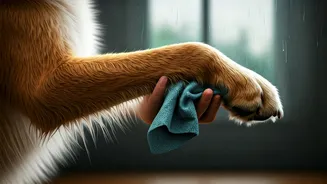
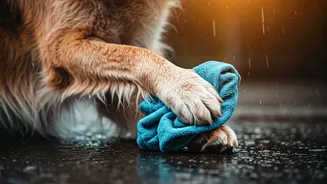
Prevention is always better than cure, and a few simple habits can make a huge difference. The single most effective step is to clean and dry your dog's paws immediately after every single walk, even if it wasn't raining. Use a towel to wipe down each paw, paying special attention to the areas between the toes where moisture loves to hide. For long-haired breeds, keeping the fur between their paw pads trimmed short can prevent matting and trapping of dirt and water. If your dog is amenable, protective waterproof booties can be a great option for keeping paws dry and clean during walks.
Simple Soothing Steps at Home
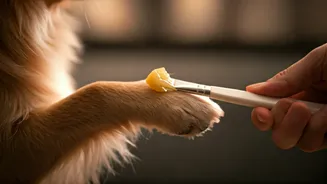
If you notice mild irritation, some home remedies can provide relief. A foot soak in warm water with Epsom salts can help reduce inflammation and clean the area. Make sure to rinse and dry the paws thoroughly afterwards. Some vets suggest using diluted apple cider vinegar on a cotton pad to gently wipe the area, as it has natural antifungal properties. Applying a thin layer of a pet-safe moisturising balm like one containing coconut oil or shea butter can soothe dry pads and form a protective barrier. However, avoid thick ointments on inflamed lesions as they can trap moisture and worsen the problem.
When to Call the Vet
While home care is great for prevention and mild cases, it is not a substitute for professional veterinary advice. You should seek vet care if the swelling is severe, persistent, or worsens over a day or two. Other red flags include open wounds, bleeding, any pus or foul odour, or if your dog is in clear pain, limping badly, or becomes lethargic. Pododermatitis can have many underlying causes, including allergies, parasites, or even autoimmune issues, and a vet is the only one who can properly diagnose the root cause and prescribe appropriate treatments like antibiotics or antifungal medications.