







The Old Frustrations of Booking
Anyone who has booked a train ticket online, especially during peak hours or for the high-demand Tatkal quota, knows the familiar challenges. Slow page loading, confusing layouts, frequent CAPTCHA verifications, and sudden crashes were common complaints.
For daily commuters and last-minute travellers, this often meant a stressful race against time that could end in a failed transaction or missing out on a ticket entirely. The system struggled under heavy traffic, making the simple act of securing a seat a significant hurdle in planning a journey.
A Major Overhaul for Speed and Capacity
The newly revamped IRCTC website addresses these issues with a powerful backend upgrade. The system's booking capacity has been dramatically increased, now capable of handling up to 1.5 lakh bookings per minute, a huge leap from the previous capacity. In tandem, its ability to handle enquiries has been expanded tenfold, from 4 lakh to over 40 lakh per minute. This enhancement is designed to make the platform more stable and reduce server congestion, especially during the frantic Tatkal booking windows. The upgrade was reportedly fast-tracked after students raised concerns about booking difficulties directly with the Railway Minister.
A Cleaner and More Intuitive Interface
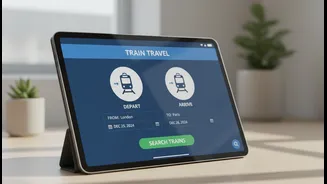
One of the most visible changes is the redesigned user interface, which is now cleaner and easier to navigate. Unnecessary pop-ups, distracting advertisements, and other elements that cluttered the screen have been removed to create a more focused booking process. A key time-saving feature is the new unified seat availability display. Instead of having to check different classes like Sleeper, AC 3 Tier, and AC 2 Tier one by one, users can now see availability across all classes on a single screen, making it much faster to compare options and make a decision.
Fewer Interruptions and Faster Checkouts
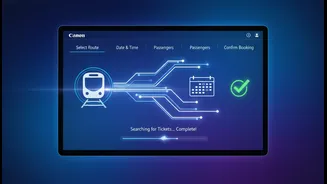
The upgrade significantly reduces some of the biggest interruptions during booking. The frequent and often hard-to-read CAPTCHA verifications have been lessened, streamlining the path to payment. The payment process itself has also been simplified, with a more unified checkout experience and better integration of popular methods like UPI. For frequent travellers, the ability to save passenger details in a master list remains a key feature, allowing for quicker form-filling when every second counts. These changes combine to reduce the number of steps and potential failure points from search to final booking.
New Features for Smarter Travel Planning
Beyond speed and stability, the new website introduces features aimed at helping users make better choices. A new fare calendar allows passengers with flexible travel plans to easily compare ticket prices across different dates, helping them find more economical options. Another significant addition is the ability for passengers to state their seat preference during booking, offering more control over their journey experience, similar to choosing a seat in a movie theatre. The platform has also expanded its multilingual support, making it more accessible to users across India.