



From Monuments to Moments
There was a time when an international trip was defined by a checklist: the Eiffel Tower, the Colosseum, a selfie with the Statue of Liberty. While these landmarks still hold their allure, a significant transformation is underway in the mindset of the Indian
globetrotter. The new travel currency isn't just about where you've been, but what you've done. It's a pivot from passive sightseeing to active participation. This trend, often called experiential or immersive travel, prioritises connection over consumption. Instead of just visiting, travellers want to engage, learn, and connect with a destination on a deeper, more personal level. The goal is no longer to just see a place, but to understand it, creating memories rooted in genuine interaction rather than a photo opportunity.
What Does ‘Authenticity’ Mean?
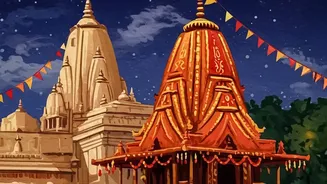
Authenticity in travel isn't about finding a place untouched by time, but about seeking genuine connections and experiences. For Indian travellers, this often translates into several key desires. Firstly, there's a hunger for local culinary journeys, moving beyond generic tourist restaurants to embrace street food and home-cooked meals. Secondly, it means cultural immersion through workshops, festivals, and community-led tours that offer real insight into traditions and daily life. It's the difference between watching a cultural show staged for tourists and participating in a local festival. Thirdly, it involves human connection—engaging with local artisans, sharing a meal with a family, or simply conversing with people to understand their way of life. This search is a conscious move away from commercialised tourism towards experiences that feel more real and transformative.
The New Global Hotspots
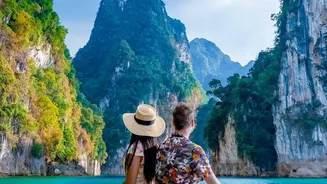
This quest for authenticity is redrawing the travel map for Indians. While mainstays like Dubai and Thailand remain popular, especially for first-time travellers, there is a clear trend towards more unique destinations. Southeast Asia is a major beneficiary, with Vietnam attracting travellers with its vibrant street food culture, rich history in cities like Ho Chi Minh City, and scenic landscapes in Ha Long Bay and Sapa. In the Middle East, Oman's Muscat offers a blend of desert landscapes and traditional souks. Similarly, Eastern European countries like Georgia are gaining traction for their charming old towns and unique wine scene. Even lesser-known cities are emerging on the radar; Almaty in Kazakhstan, for instance, appeals with its mix of mountain scenery and distinct Eurasian culture. These destinations are prized for offering rich cultural experiences, often at an affordable price point compared to traditional Western hubs.
What's Driving the Change?
Several factors are fuelling this evolution. Rising disposable incomes and a growing middle class mean more Indians can afford to travel internationally, moving beyond mere luxury to prioritise enriching experiences. Social media also plays a complex role. While it can drive trends towards “Instagrammable” spots, it also exposes travellers to offbeat destinations and unique activities showcased by influencers and fellow travellers. The focus is shifting from posting a photo at a famous landmark to sharing a unique story or experience. Furthermore, increased global exposure and easier access to information have created a more discerning and curious traveller. Younger generations, in particular, are driving demand for personalised journeys built around specific interests, from attending global music festivals to seeking adventure in places like Queenstown, New Zealand.