




A Catastrophe in Minutes
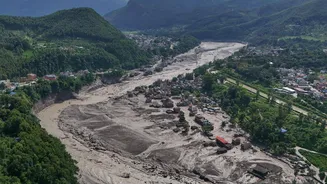
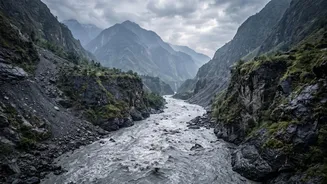
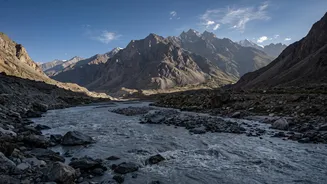
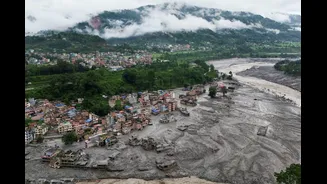
On Wednesday morning, a massive wall of water and debris thundered down the Bhotekoshi river valley near the Nepal-Tibet border, catching communities in Rasuwa and Nuwakot districts completely by surprise. The torrent, described by witnesses as being
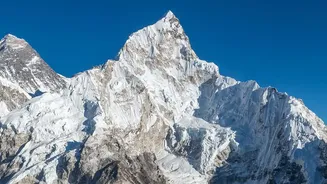
like liquid concrete, swept away homes, roads, bridges, and critical hydropower projects. Tragically, the disaster has claimed at least 160 lives, with hundreds more, including many foreign tourists and pilgrims, still missing. Unlike typical monsoon flooding caused by heavy rain, this event was triggered by something far more sudden: a suspected ice and rock avalanche high in the mountains that blocked a river, creating a temporary dam that subsequently burst.
Beyond the Water: Understanding Secondary Risks
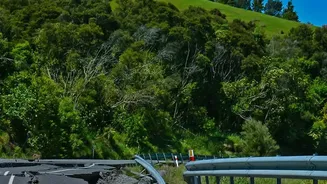
The immediate devastation of a flood is only the first chapter of the disaster. The term "secondary risks" refers to the cascade of dangerous events that are triggered by the primary one. In a region as geographically fragile as Nepal, these are not minor afterthoughts; they are major threats. The most common secondary risk is landslides. Saturated soil on steep, deforested slopes can give way without warning, burying entire villages days after a flood. Another critical danger is infrastructure failure. The same floodwaters that inundate homes can weaken or destroy bridges, roads, and power lines, cutting off communities from rescue, relief supplies, and communication for weeks.
The Looming Threat of GLOFs
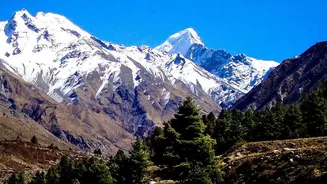
A particularly menacing secondary risk in the Himalayas is the Glacial Lake Outburst Flood (GLOF). As climate change warms the region, glaciers are melting at an accelerated rate, forming vast lakes of meltwater dammed by unstable walls of ice and rock (moraine). An avalanche, an earthquake, or even just the pressure of the rising water can cause these natural dams to fail, releasing millions of cubic metres of water in a destructive wave. While the August 26 event was caused by an avalanche-induced river blockage, it mimics the mechanics of a GLOF and highlights the region's vulnerability to such sudden, high-volume floods. Experts have identified dozens of potentially dangerous glacial lakes across Nepal, with some sitting directly above populated valleys and crucial infrastructure.
A Cascade of Crises
These events create a domino effect. A landslide can block a river, creating a new flood risk downstream. Floodwaters contaminate wells and water sources, leading to outbreaks of waterborne diseases like cholera and diarrhea, creating a public health emergency on top of a natural disaster. The destruction of hydropower projects, as seen in the recent Bhotekoshi flood, cripples the nation's power grid and economy. This chain reaction, where one disaster begets another, is what makes emergency response and long-term planning so challenging. Authorities can no longer plan just for monsoon rains; they must prepare for a complex and interconnected web of hazards.
The Urgent Need for a New Approach
The latest tragedy underscores a difficult truth: traditional flood warnings, often based on rainfall, are insufficient for these kinds of events. Experts note that there was no significant rainfall before the Bhotekoshi flood, rendering standard warning systems useless. Effective preparedness requires a multi-faceted approach. This includes better geological monitoring in the high mountains, cross-border data sharing with China and India to track threats originating upstream, and robust early warning systems that can alert downstream communities within minutes of a river surge being detected. For a country on the front lines of both tectonic and climate-driven hazards, adapting to these cascading risks is not just a matter of policy, but of survival.