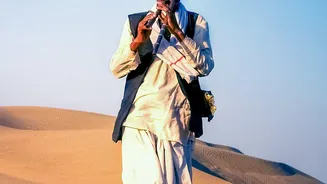

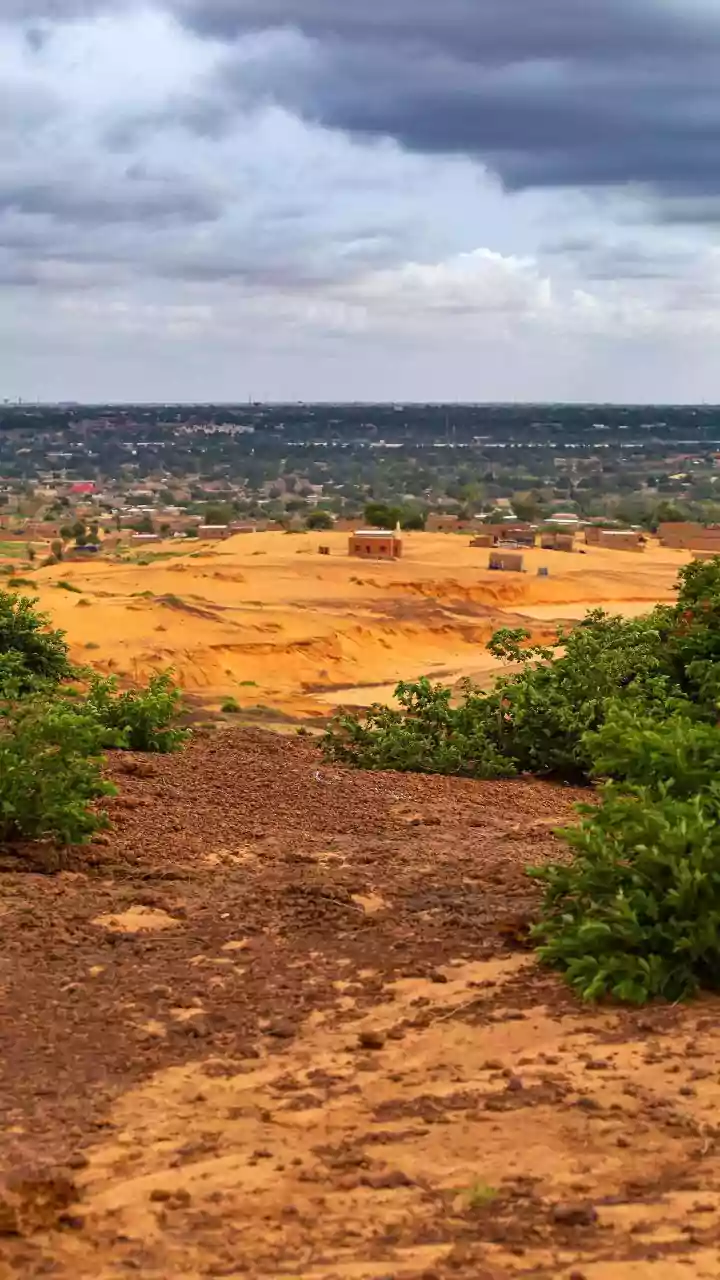
From Arid Sands to Emerald Hills
For generations, Rajasthan's tourism calendar has been straightforward: busy winters, scorching summers, and an overlooked monsoon. But this year, a noticeable travel surge during the rainy season is reshaping that narrative. What was once considered
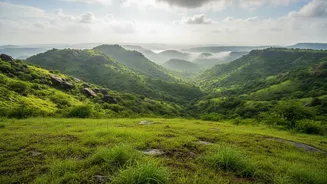
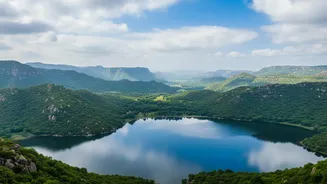
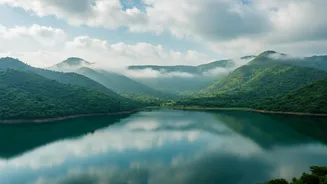
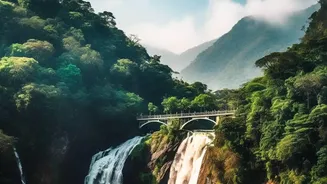
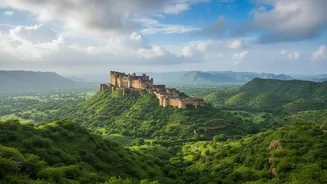
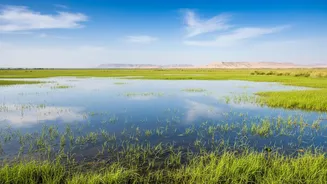
the off-season is now a vibrant period of discovery, with travellers specifically seeking out the state's monsoon makeover. After months of intense heat, the rains have transformed the Aravalli hills into a panorama of emerald green, filling lakes to the brim and breathing new life into the landscape. This isn't a quiet trickle of visitors; hotels are reporting a significant uptick in occupancy, and destinations once considered secondary are now primary attractions. Tourists are opting for slower, more immersive journeys, drawn by the promise of a Rajasthan that feels completely new.
The Rise of the Monsoon Destinations
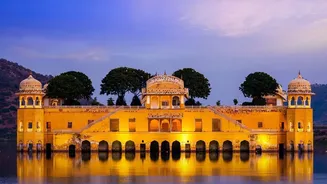
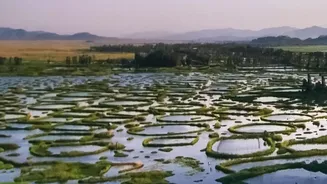
At the heart of this trend is southern Rajasthan. Udaipur, the 'City of Lakes', has long been a favourite, but its monsoon appeal has reached new heights. With its famous lakes, Pichola and Fateh Sagar, full and glistening, the city offers a romantic, misty atmosphere that stands in stark contrast to its peak-season energy. But the surge extends beyond the obvious. Banswara, a lesser-known district, is gaining a reputation as the 'Cherrapunji of Rajasthan' for receiving the highest rainfall in the state. Its landscape, dotted with over a hundred small islands on the Mahi River, turns into a lush paradise, challenging every stereotype of a desert state. Other destinations like Mount Abu, Rajasthan's only hill station, along with the historic towns of Bundi, Kumbhalgarh, and Chittorgarh, are also seeing a significant increase in visitors, who come for the dramatic views of forts shrouded in mist and rain-washed heritage sites.
Why Now? The Drivers of the Green Rush
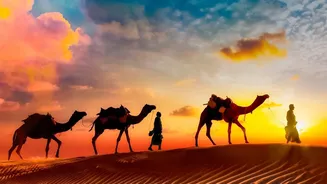
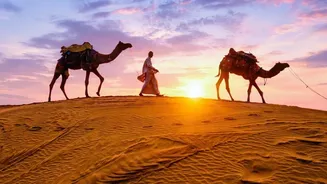
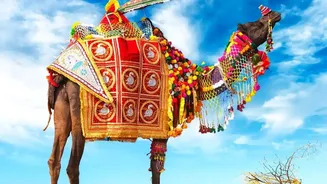
Several factors are fuelling this monsoon boom. Social media plays a huge role, with stunning images of green hills, overflowing waterfalls, and serene lakes replacing the usual camel-on-a-dune photos. These visuals have revealed a side of Rajasthan many travellers, especially domestic ones, never knew existed. There's also a clear shift in traveller preferences. Post-pandemic, there is a greater desire for nature-based, less crowded experiences. The monsoon season, traditionally an off-peak period, offers just that, along with attractive discounts on flights and luxury hotels. Improved infrastructure, including better highways and air connectivity, has made weekend trips and quick getaways more feasible, allowing people from nearby states like Gujarat and Maharashtra to easily access these green havens. Travel experts point to this as the growth of 'green tourism', where the primary draw is nature in its purest form.
Reshaping Rajasthan's Tourism Identity
This monsoon phenomenon is more than just a temporary trend; it signals a fundamental shift in Rajasthan's identity as a travel destination. For years, the state's economy has been tied to a highly seasonal tourism model, with a heavy reliance on international tourists during the winter months. The growth of monsoon travel helps to de-seasonalise the industry, providing a more stable, year-round income for local businesses from hotels to tour guides. It diversifies the state's offerings, moving beyond the 'Golden Triangle' and desert circuits to highlight its rich biodiversity, wildlife sanctuaries like Ranthambore and Sariska, and adventure opportunities such as trekking and camping. By showcasing its capacity for nature and wellness tourism, Rajasthan is positioning itself as a comprehensive, all-weather destination, appealing to a broader range of travellers, especially the dominant domestic market.