








Decode the River's Mood
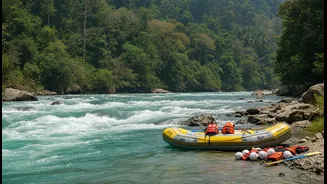
The river itself is the main character in your adventure, and its condition is paramount. Water levels and flow change dramatically with the seasons. Rafting in India is generally best from mid-September to June, avoiding the monsoon season when rivers
are dangerously swollen. Operators classify rapids on a scale from Grade I (easy, small waves) to Grade VI (extremely dangerous and unrunnable for commercial trips). For beginners or families, Grade I-II rapids offer a gentle introduction. Thrill-seekers might look for trips with Grade III or IV rapids, which require more technical navigation. Before booking, ask the operator about the current grade of the rapids on your chosen stretch. A reputable company will be transparent about conditions and recommend a trip that matches your group's fitness and experience level, ensuring the adventure is exciting, not overwhelming.
Your Guide Is Your Lifeline
While you are on the water, your guide is the single most important factor for your safety and enjoyment. A great guide is more than just a person who paddles; they are a trained professional, a leader, and a storyteller. They possess intimate knowledge of the river, enabling them to 'read' the currents and navigate rapids safely while maximizing the fun. When choosing an operator, don't hesitate to ask about their guides' qualifications. Look for guides with certifications in swift-water rescue, first aid, and CPR. In India, booking with agencies approved by the Ministry of Tourism or the Adventure Tour Operators Association of India can provide an extra layer of confidence. An experienced guide not only has the technical skills to handle emergencies but also the people skills to make everyone feel confident and at ease, turning a good trip into an unforgettable one.
Gear That Inspires Confidence
Proper equipment is non-negotiable. It's the physical barrier between you and the inherent risks of whitewater rafting. Every trip must include a high-quality, properly-fitted Personal Flotation Device (PFD), or life jacket, for every person. It should be snug and secure; a loose jacket can be useless in turbulent water. Helmets are also mandatory to protect you from paddles, gear, and, rarely, rocks. Inspect the equipment before you get on the water. The rafts should be in good condition, and the paddles should be sturdy. Reputable operators invest in and maintain their gear, understanding that it's crucial for safety. Some regulations even specify that life jackets must meet certain standards, such as those approved by the U.S. Coast Guard (Type III or V), which are designed for whitewater activities. Cheap trips often cut corners on gear, a compromise you should never be willing to make.
Putting It All Together: Price vs. Value
In the booming adventure tourism market, it can be tempting to choose the cheapest option. However, a lower price often reflects compromises in guide expertise, equipment quality, or safety protocols. A slightly higher price may cover the costs of experienced, well-paid guides, top-tier equipment maintenance, and adherence to safety standards like having a safety kayaker or a second rescue raft on more challenging sections. Choosing the right package means matching your comfort and skill level with a reliable operator who prioritizes safety over cutting costs. By focusing on river conditions, guide quality, and equipment, you are not just buying a rafting trip; you are investing in a safe, well-managed, and ultimately more enjoyable adventure. Asking the right questions empowers you to make an informed choice and ensures your memories of the river are filled with excitement and beauty, not anxiety or regret.