





Wash Less, Air More
The single most important rule of wool care is to wash it less frequently than other fabrics like cotton or synthetics. Wool has natural, self-cleaning properties thanks to a waxy coating called lanolin, which repels dirt, odours, and bacteria. After
wearing a sweater, simply airing it out for a few hours is often enough to refresh it. You can lay it flat on a bed near an open window or hang it in a steamy bathroom to help release wrinkles and odours. This simple step drastically reduces wear and tear, helping your garments last much longer.
The Gentle Art of Washing
When your woollens do need a wash, always check the care label first. Hand washing is the safest method. Use a basin of cool or lukewarm water (below 30°C) and a small amount of a pH-neutral, wool-specific detergent. Regular detergents can contain enzymes that break down wool fibres. Turn the garment inside out, submerge it, and gently squeeze the suds through the fabric for a few minutes before letting it soak for about 10-15 minutes. Avoid scrubbing or twisting. If your machine has a 'wool' or 'delicate' cycle, you can use that with cold water and a low spin speed, placing the item in a mesh laundry bag for protection.
Drying Do's and Don'ts
Never, ever put a wool garment in a tumble dryer, as the heat and agitation will cause it to shrink and felt. Likewise, never hang a wet sweater, as the weight of the water will stretch it out of shape. The correct method is to gently squeeze out excess water without wringing the fabric. Then, lay the sweater flat on a clean, dry towel, roll them up together, and press firmly to absorb more moisture. Unroll it, reshape the garment to its original dimensions, and lay it flat on a fresh towel or a mesh drying rack away from direct sunlight or heat.
Smart Storage for Longevity
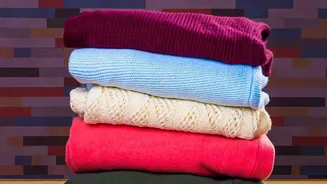
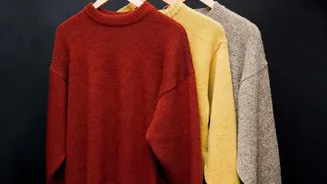
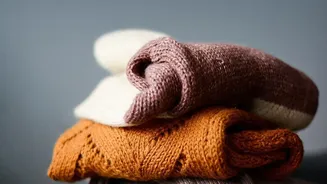
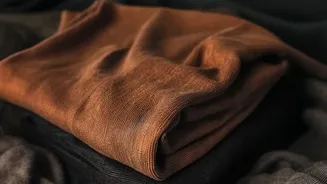
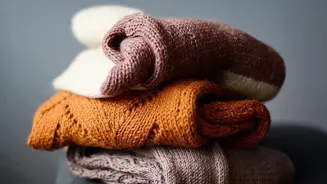
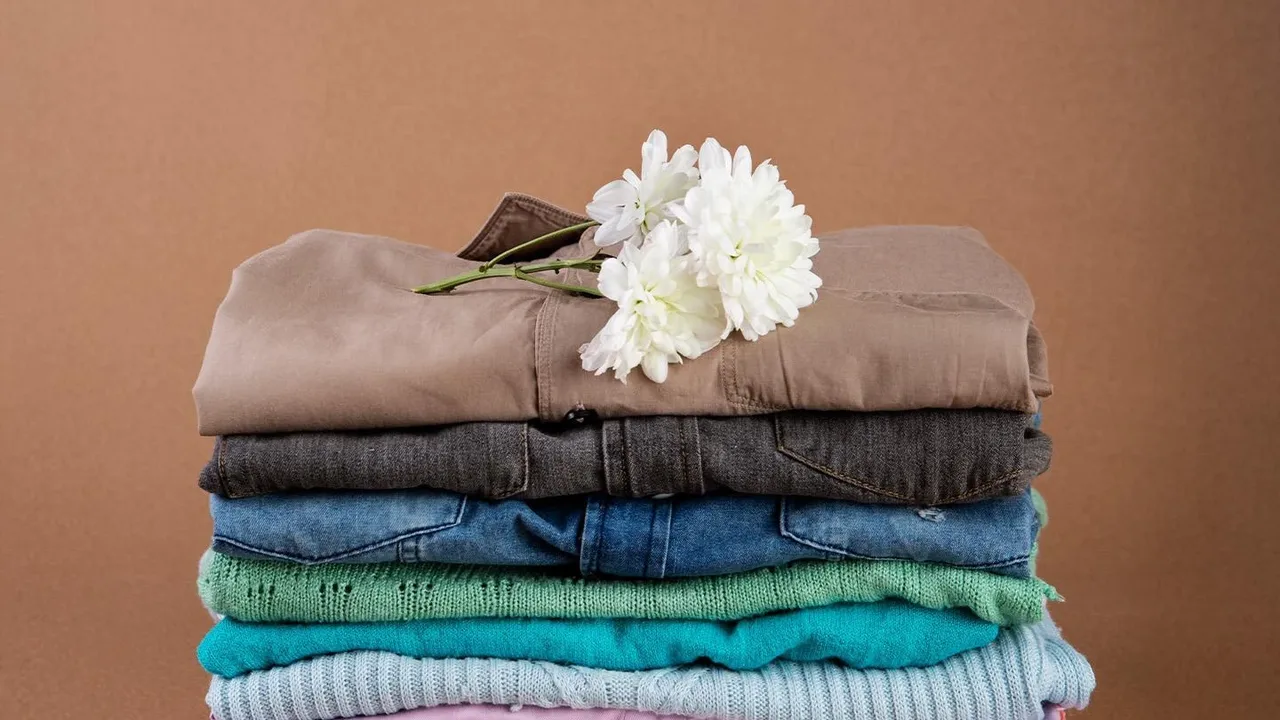
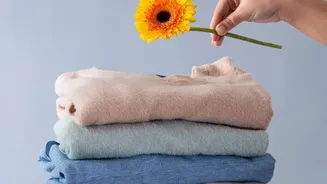
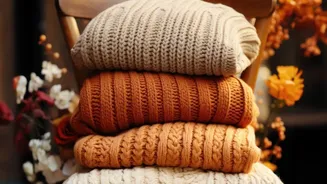
How you store your woollens is just as important as how you wash them. For short-term storage, always fold knitted garments like sweaters and lay them flat in a drawer or on a shelf. Hanging knits can cause the shoulders to stretch and lose their shape. For long-term seasonal storage, the rules are crucial. First, ensure every item is thoroughly cleaned and completely dry before packing it away. Any lingering body oils or food stains can attract pests. Use breathable cotton storage bags or lidded bins instead of airtight plastic bags, which can trap moisture and lead to mildew.
Keeping Pests at Bay
Clothes moths are the arch-nemesis of wool. The larvae, not the adult moths, are responsible for creating those dreaded tiny holes by feeding on the keratin in animal fibres. Prevention is your best defence. Always store clean clothes, as moths are attracted to dirt and sweat. Store garments in sealed containers or breathable bags. Natural deterrents like cedar blocks or sachets of dried lavender, rosemary, or mint can help make your wardrobe less appealing to moths. It's important to note these are repellents, not killers; they help deter adult moths from laying eggs in the first place. Regularly vacuuming closets and checking on stored clothes can also help you catch any issues early.