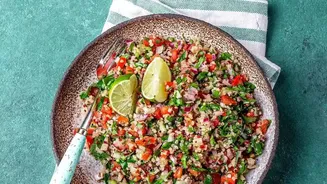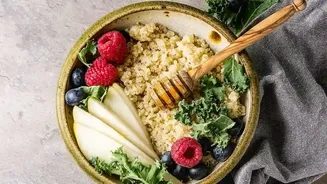

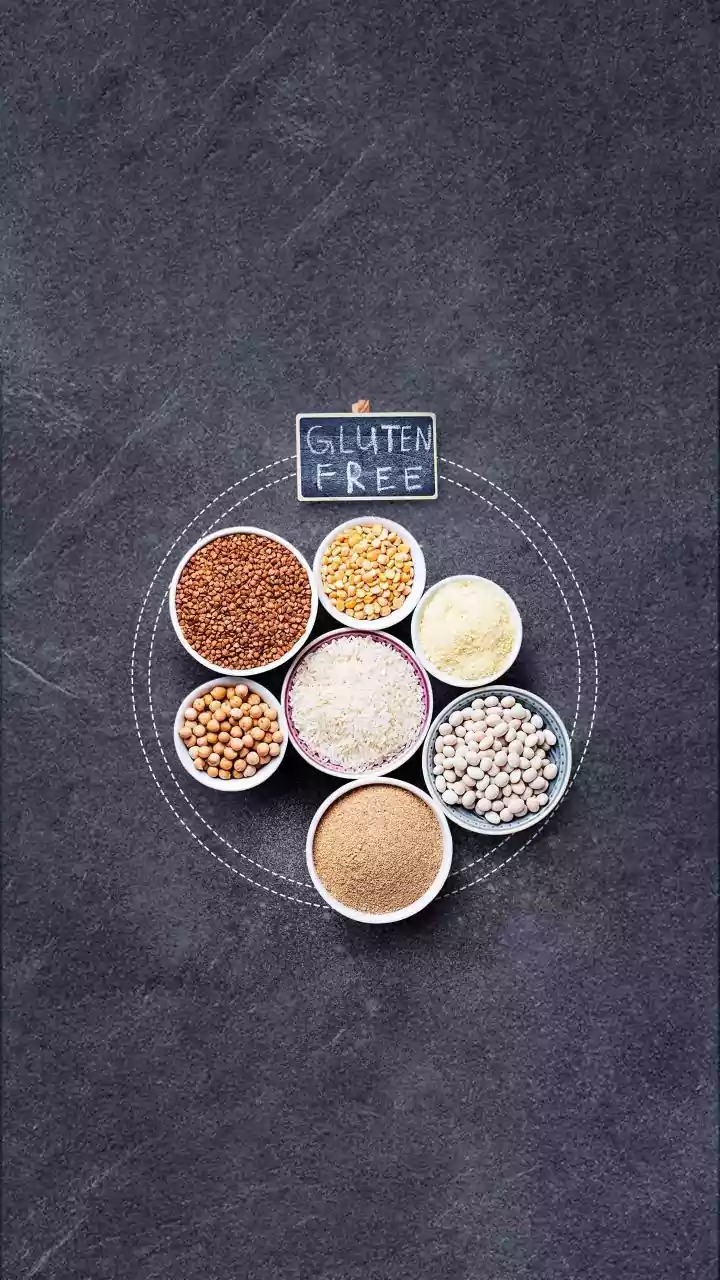
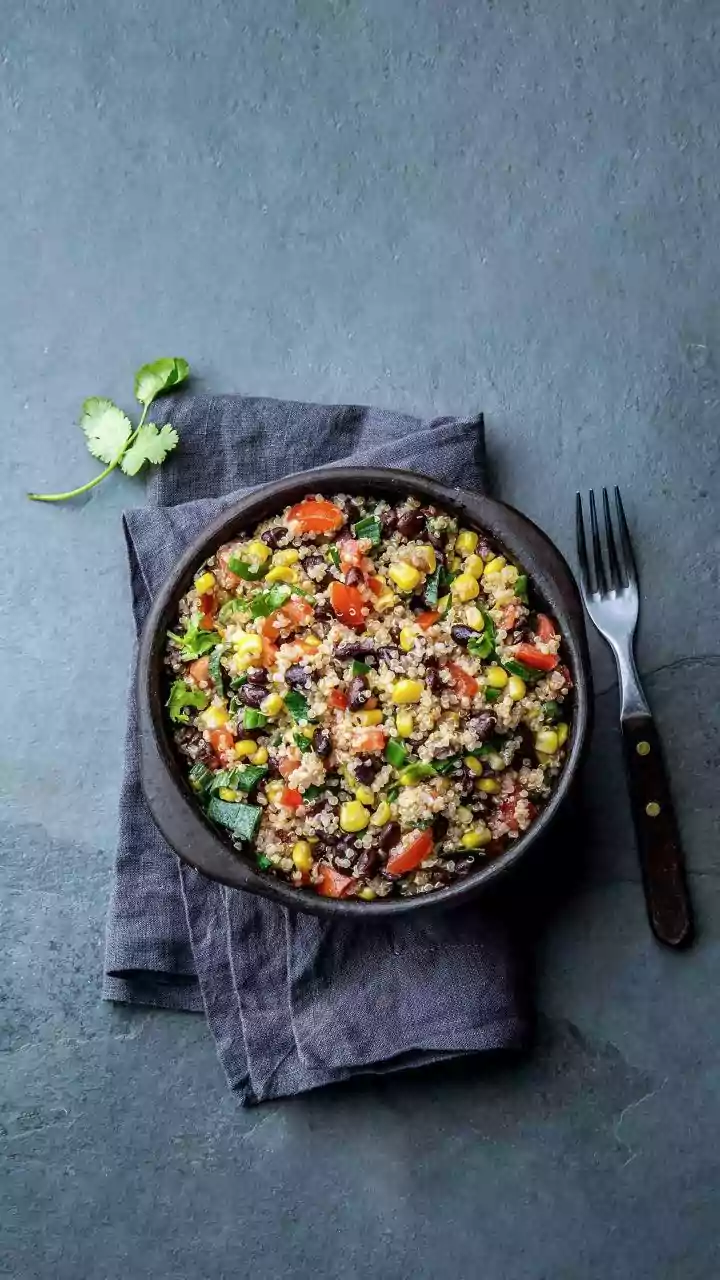
In the world of healthy eating, quinoa and lentils are pantry superstars. Both are praised for their versatility and nutritional punch. But how do they stack up against each other, and does the way you cook them truly matter? Let's find out.
Meet the Contenders
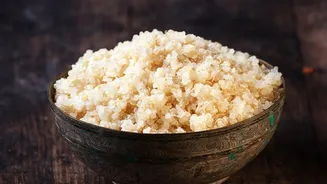
Quinoa, often
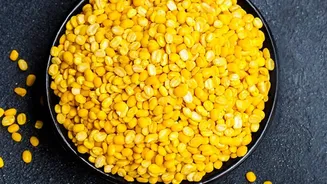
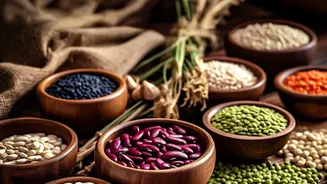
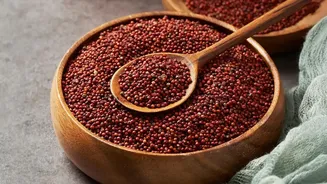
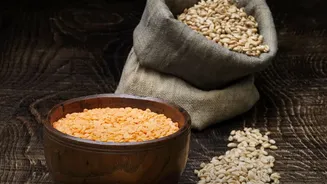
mistaken for a grain, is technically a seed from the 'Chenopodium quinoa' plant, native to the Andes. It’s celebrated for its delicate texture and for being a 'complete protein', meaning it contains all nine essential amino acids our bodies can't produce on their own. Lentils, on the other hand, are pulses—edible seeds from the legume family. Available in a rainbow of colours like brown, green, red, and black, they are a foundational ingredient in cuisines from India to the Middle East, prized for their earthy flavour and dense, satisfying texture.
The Nutritional Face-Off
When comparing cooked quinoa and lentils side-by-side, some clear differences emerge. Per 100 grams, lentils take the lead in several key areas. They offer more than double the protein, with about 9 grams compared to quinoa's 4.4 grams. Lentils also dominate in fibre, providing around 7-8 grams, while quinoa has closer to 3 grams. Furthermore, lentils are richer in essential micronutrients like folate and iron. However, quinoa shouldn't be dismissed. It boasts a higher content of fat, including beneficial unsaturated fatty acids, and is a superior source of magnesium, a mineral crucial for everything from muscle function to nerve health. While quinoa is a complete protein on its own, lentils can easily achieve this status when paired with a grain like rice, a classic combination that creates a full amino acid profile.
The Anti-Nutrient Question
Both quinoa and lentils contain naturally occurring compounds sometimes called 'anti-nutrients', such as phytic acid, saponins, and lectins. These compounds are part of the plant's defense system and can bind to minerals like iron, zinc, and calcium, potentially reducing their absorption in our digestive tract. For example, phytic acid is found in the outer layers of many seeds and legumes. Saponins, which create a soapy foam when you rinse quinoa, can taste bitter and may cause irritation for some. Lectins, found in high amounts in many legumes, can interfere with nutrient absorption and cause digestive upset if consumed raw or undercooked. While this might sound alarming, the presence of these compounds is not a reason to avoid these healthy foods. The key is in the preparation.
Unlocking Nutrition Through Preparation
The way you prepare quinoa and lentils can dramatically reduce anti_nutrients and increase the availability of their beneficial components. Soaking is one of the simplest and most effective methods. Soaking lentils or quinoa for several hours or overnight and then discarding the water can significantly lower phytic acid and lectin levels. For quinoa, a thorough rinse under running water is also essential to wash away the bitter saponins on its surface. Sprouting takes this a step further. By allowing the seeds to germinate over a few days, you activate enzymes that break down anti_nutrients and can even increase the content of certain vitamins and minerals. Studies show that sprouting can decrease phytic acid in quinoa by up to 90%. This process makes the nutrients in both foods easier for your body to digest and absorb.
How Cooking Changes Everything
Cooking is the final and most crucial step in neutralizing anti_nutrients. Heat effectively deactivates most lectins, which is why eating raw or undercooked beans can cause food poisoning. Boiling, simmering, or pressure cooking both quinoa and lentils renders them safe and highly digestible. While some water_soluble vitamins can leach into the cooking liquid, this loss is generally minimal and outweighed by the benefits of deactivating anti_nutrients. To retain the most nutrients in lentils, it's best to cook them until they are just tender and avoid over_boiling them into mush. For quinoa, cooking not only makes it edible but can also increase the digestibility of its high_quality protein. Different cooking methods, such as boiling versus roasting, can slightly alter the final nutritional profile, but the most important factor is simply ensuring they are cooked thoroughly.