


A Digital House of Cards
Scientists recently ran a startling simulation: a hypothetical one-megaton nuclear detonation in low Earth orbit (LEO). The results were catastrophic. The model predicted that the resulting radiation and electromagnetic pulse could disable nearly 98%
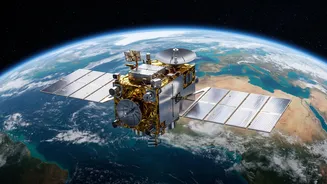
of all LEO satellites within a single week. While this scenario is extreme, it serves as a powerful illustration of a much broader and more immediate problem. Our global satellite infrastructure, on which everything from telecommunications and weather forecasting to national security and financial transactions depend, is more vulnerable than ever. The space around our planet is not an infinite void; it is a finite resource that is becoming dangerously crowded and contested.
The Crowded Skies of Low Earth Orbit
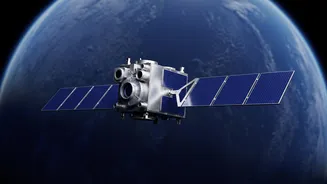
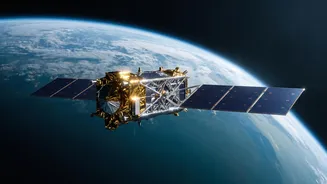
The problem lies primarily in Low Earth Orbit, an orbital band up to 2,000 kilometres in altitude. It is the busiest celestial highway, home to thousands of active satellites, including the rapidly growing 'mega-constellations' deployed by companies like SpaceX's Starlink and China's Thousand Sails project. In just a few years, the number of active satellites has skyrocketed, with tens of thousands more planned. This rapid increase in traffic dramatically raises the risk of collisions. Every satellite launched adds to the congestion, increasing the probability of close calls, which now number in the hundreds of thousands per year for a single large operator.
The Looming Threat of Kessler Syndrome
The ultimate fear among space experts is a scenario known as 'Kessler Syndrome', first proposed by NASA scientist Donald Kessler in 1978. It describes a runaway chain reaction where a single collision between two objects in orbit creates a cloud of debris. Each piece of that debris then becomes a projectile, capable of destroying other satellites and creating even more debris. This cascading effect could eventually render entire orbital altitudes unusable for generations, trapping us on Earth. According to the European Space Agency, there are already an estimated 140 million objects smaller than 10cm orbiting Earth, most too small to track but large enough to cause catastrophic damage upon impact. Some analyses suggest the conditions for this cascade may have already begun.
Why Orbital Fragility Matters in India
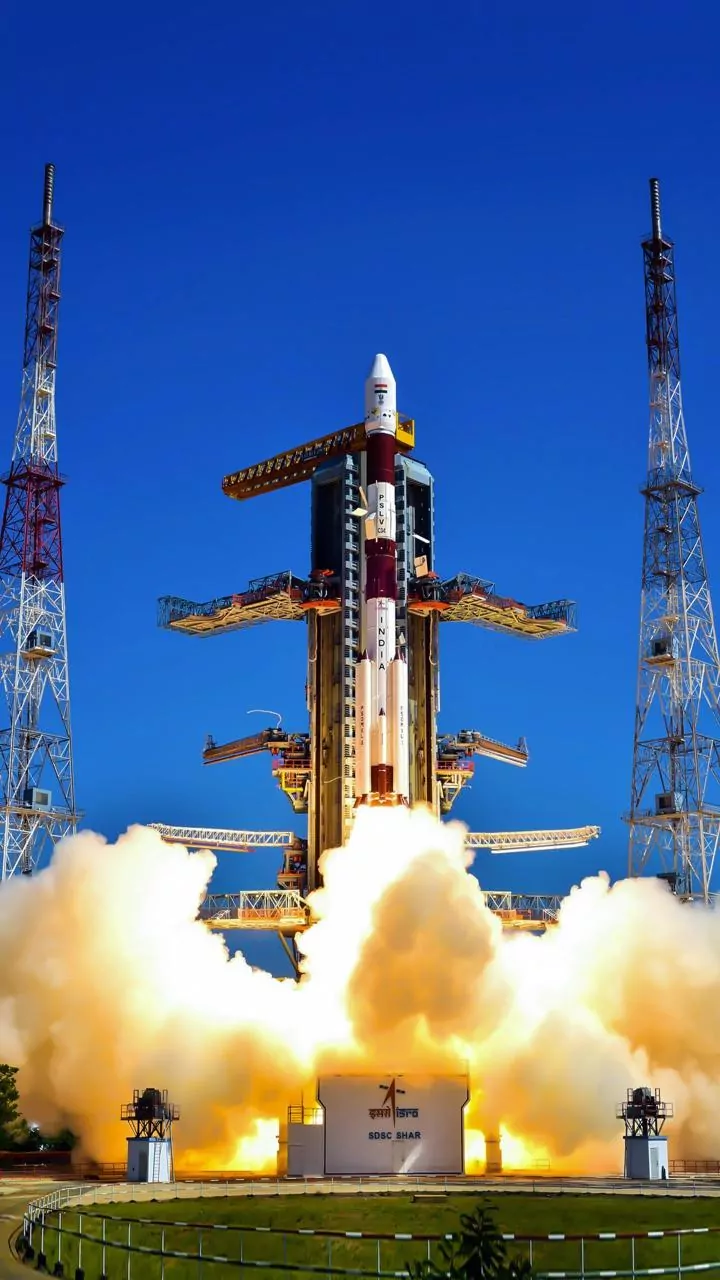
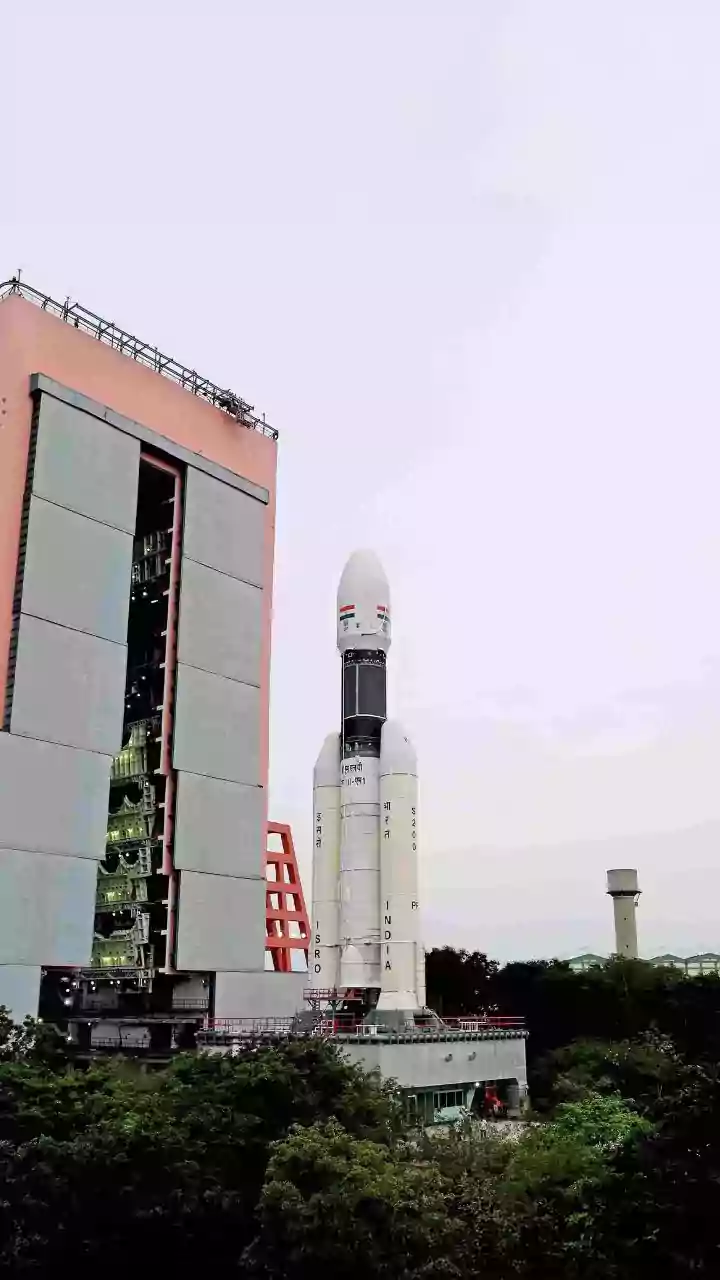
The consequences of a degraded satellite environment are not abstract. For India, a nation rapidly integrating technology into every facet of society, the stakes are immense. The country's own regional navigation system, NavIC, along with GPS, underpins logistics, transportation, and emergency services. The Digital India initiative, which relies on seamless connectivity for banking and governance, would be severely hampered. Farmers who depend on satellite data for weather forecasts and crop management would be affected, as would national defence and disaster management operations that rely on secure communication and surveillance. The degradation of these services would not be an immediate collapse, but a slow, painful erosion of the modern conveniences and efficiencies we now take for granted.
The Race to Clean Up Space
Recognising the urgency, a global effort is underway to develop solutions. These range from advanced shielding on new satellites to 'design for demise' principles that ensure they burn up completely upon re-entry. More futuristic solutions involve Active Debris Removal (ADR) technologies. Missions like the European Space Agency's ClearSpace-1, scheduled for 2026, will test robotic arms to capture and de-orbit space junk. Other concepts include using nets, harpoons, and even ground-based lasers to nudge debris out of orbit. However, these technologies are still in their infancy and face immense technical, financial, and legal challenges. Ultimately, preventing the Kessler Syndrome will require not just a technological fix, but unprecedented international cooperation and binding regulations for the sustainable use of space.