





More Than Just a Playground
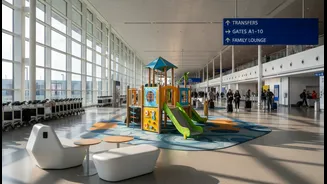
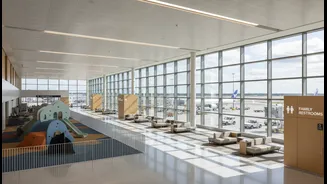
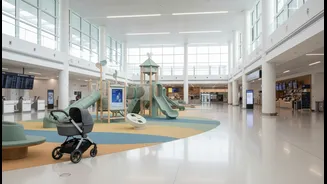
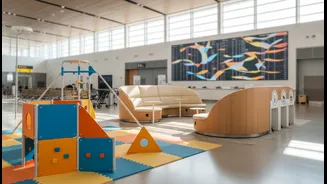
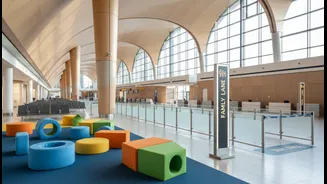
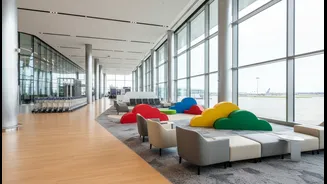
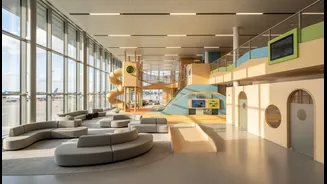
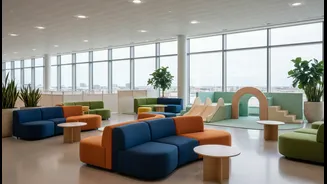
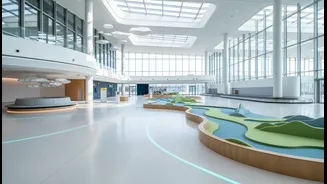
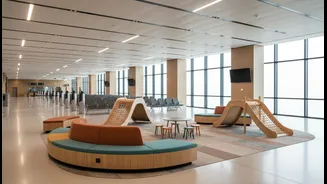
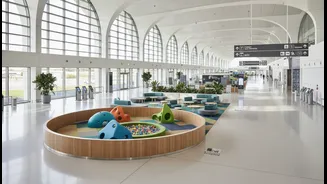
When you think of a 'family-friendly' airport, a small, enclosed play area might come to mind. While essential, the concept now extends far beyond that. Today, it encompasses a wide array of amenities and design choices aimed at reducing stress for parents
and caregivers. Leading airports are incorporating dedicated security lanes for families, which streamline the often-chaotic screening process. Well-equipped nursing rooms and baby care facilities provide private, clean spaces for feeding and changing. Family restrooms that can accommodate a parent, a child, and a stroller are also becoming standard. Even simple things, like clear signage, stroller-friendly pathways, and shorter walking distances to gates, make a significant difference. Some airports are also adding sensory rooms to provide a calm environment for neurodivergent travelers and anyone feeling overstimulated by the terminal's bustle.
The New Economic Imperative
This shift isn't just about altruism; it's smart business. Families represent a powerful and lucrative travel demographic. Research shows that families tend to arrive at the airport earlier and spend more time there, translating to higher spending on food, drinks, and retail. An IATA survey found that 68% of parents are more likely to spend money if an airport provides adequate family facilities. Airports are now seen as powerful engines of economic growth, and enhancing the passenger experience is a core strategy. By creating a less stressful, more engaging environment, airports encourage families to relax and open their wallets. A positive experience also builds loyalty, influencing future travel choices and boosting an airport's reputation as a desirable transit hub or destination gateway.
Why Now? A Post-Pandemic Shift
The focus on family-centric design has accelerated for several reasons. The post-pandemic era saw a surge in leisure travel, with many families eager to make up for lost time and reconnect on vacation. This includes a rise in multi-generational trips, bringing grandparents, parents, and children together. Furthermore, millennial parents, who are now a dominant travel segment, have higher expectations for service and experience than previous generations. They are digital natives who research destinations and transit points thoroughly, and a negative airport experience shared online can have a real impact. This combination of increased family travel demand and higher consumer expectations has made it impossible for airport authorities to ignore the needs of their youngest passengers.
Who Is Getting It Right?
Several airports around the globe are setting the standard. Seoul Incheon International Airport was named the World's Most Family-Friendly Airport in 2026, recognized for its excellent play areas, nursing rooms, and family-centric processes. Singapore Changi, a perennial favorite, offers attractions like movie theatres and huge slides. In Europe, airports like Malaga and Prague are praised for their multiple play areas and easy-to-navigate layouts. Recent rankings have also highlighted the efforts of Indian airports, with Bengaluru's Kempegowda International Airport (KIA) and Hyderabad's Rajiv Gandhi International Airport ranking third and fourth globally in one 2026 study. KIA was noted for its sensory room and family-friendly amenities, demonstrating a deep commitment to an inclusive travel environment.
The Future of the Family Journey
The evolution of the family-friendly airport is far from over. Future trends point towards even greater personalization and integration of technology. Imagine mobile apps that guide families to the nearest changing station or an available play area in real-time. Some designers envision flexible gate seating that can be rearranged for families or solo travelers and themed zones that adapt to flight destinations. As technology and design become more sophisticated, the goal is to create a seamless journey from curb to gate, transforming the airport from a place of stress into a positive and memorable part of the family vacation itself. The message is clear: for airports to compete, the journey must become as enjoyable as the destination.