
The Hidden Reaction in Your Fridge
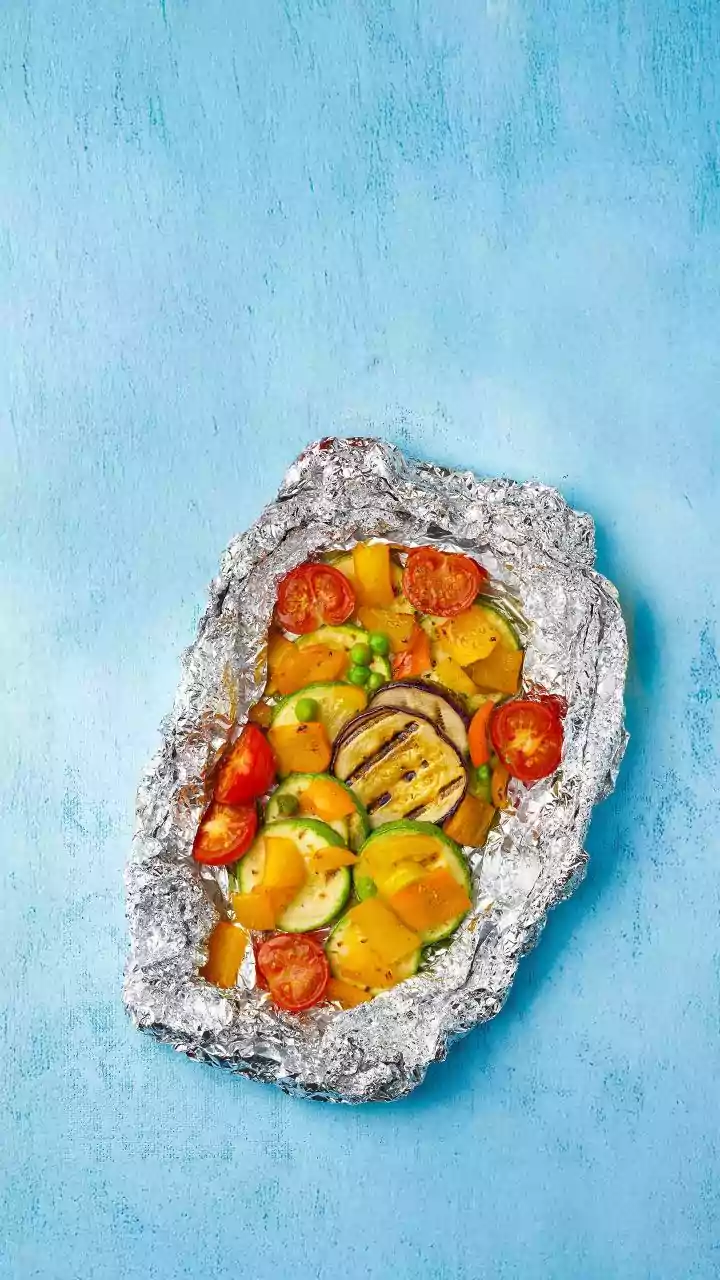
Aluminium is a reactive metal. When it comes into contact with highly acidic or very salty foods, it can begin to break down and leach into your meal. This chemical process is amplified by heat, which is why cooking acidic foods in foil is often discouraged,
but it also happens over time in the cool environment of your refrigerator. The longer your acidic leftovers are wrapped in foil, the more opportunity there is for tiny, flavour-altering aluminium particles to migrate into the food. This can sometimes leave a noticeable metallic taste. While aluminium foil is an excellent barrier against light, oxygen, and germs, this reactivity is its primary drawback for food storage.
Identifying Common Acidic Foods
You might be surprised by which leftovers are considered acidic. It's not just about lemons and limes. Any dish with a strong presence of these ingredients should not be stored in direct contact with aluminium foil for extended periods. Key culprits to watch out for include: - Tomato-based dishes like pasta sauce, curries, and chilli. - Foods containing vinegar, such as salad dressings and pickles. - Dishes marinated or cooked with citrus juices like lemon or lime. - Certain fruits and vegetables, including tomatoes, rhubarb, pineapple, and berries. - Salty foods can also cause a similar reaction, so it's wise to avoid wrapping things like feta cheese or cured meats for long durations.
Understanding the Health Stakes
Our bodies are exposed to aluminium daily through food and water, and a healthy person can efficiently process and excrete small amounts. Health authorities like the European Food Safety Authority (EFSA) and the Joint FAO/WHO Expert Committee on Food Additives (JECFA) have established safe weekly intake levels. However, studies show that cooking with foil can significantly increase the aluminium content in food. While there is no strong evidence linking the use of aluminium foil to an increased risk of disease in healthy individuals, some research has raised concerns about chronic, long-term exposure to excessive levels. Most of the aluminium we consume comes from food itself and additives in processed foods. The consensus is to be mindful and minimise unnecessary exposure where possible, particularly for children.
Why Time and Temperature Matter
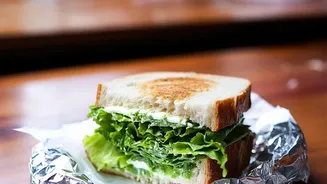
The headline's mention of "contact time" is crucial. The amount of aluminium that leaches into your food is influenced by several factors: the acidity (pH level) of the food, its salt content, the temperature, and the duration of contact. Wrapping a cold sandwich for a few hours is very different from storing a tomato-based casserole for three or four days. The longer and hotter the contact, the more aggressive the chemical reaction. Experts generally recommend using foil for short-term storage only, ideally no more than a day or two, especially with acidic or salty leftovers. For any longer duration, it is best to switch to a non-reactive storage method.
Smarter, Safer Storage Solutions
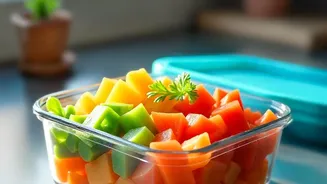
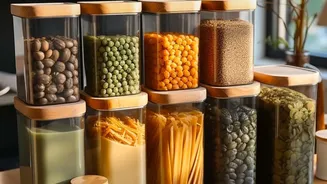
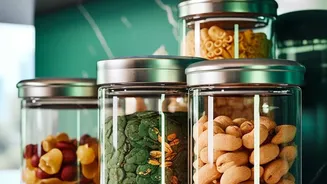
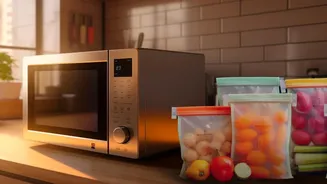
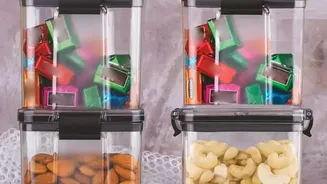
The good news is that avoiding this issue is simple and requires only a small change in habits. Glass containers are widely considered the gold standard for food storage. Glass is non-porous and inert, meaning it won't react with your food, absorb odours, or stain. Other excellent, non-reactive options include ceramic dishes, stainless steel containers, and high-quality, food-grade silicone bags and containers. If you must use foil to cover a bowl, you can first place a layer of parchment or wax paper between the food and the foil to act as a barrier. For long-term storage, airtight containers made of these safer materials will also do a better job of preventing food from drying out and maintaining its quality.