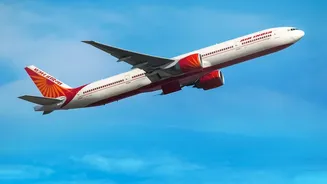






The festive cheer of December brings with it the urge to travel, visit family, and explore new destinations. But this popular travel month often comes with a less-welcome guest: a significant spike in flight ticket prices. Here’s a look at why.
The Perfect Storm of Demand
December
is a peak travel period in India and across the world for several overlapping reasons. It’s the time for Christmas and New Year holidays, which means millions of people are planning vacations or trips to visit friends and family. This period also coincides with winter school holidays, enabling more families to travel together. Furthermore, in India, December is a prime month for the wedding season, adding another layer of concentrated travel demand. When a massive number of people want to fly on the same limited set of dates, the basic economic principle of supply and demand kicks in, pushing prices upward.
How Airlines Price Their Seats
Airlines don't just set one price for all seats on a plane. They use a sophisticated strategy called 'revenue management' or 'dynamic pricing'. Each flight has its seats divided into different price categories, often called 'fare buckets'. Airlines start by selling a small number of seats at the lowest price. Once those are sold, the next, more expensive bucket of seats opens up, and so on. During December, the high demand means the cheaper fare buckets sell out much faster than usual. Pricing algorithms constantly monitor booking patterns, and as departure dates get closer and seats fill up, they automatically raise the prices for the remaining inventory.
The Procrastination Penalty
Waiting for a last-minute deal in December is a gamble that rarely pays off. While airlines might occasionally discount unsold seats, this is far less common during a peak season when they are confident that flights will be full. In fact, prices typically rise sharply in the final few weeks leading up to the holidays. Travellers who must fly on specific, non-negotiable dates for a festival or family event are often the ones who end up paying the highest fares. An airline's seat is a 'perishable good'; once the plane takes off, an empty seat generates zero revenue, so pricing systems are designed to maximise income from every flight, especially the popular ones.
Rising Operational Costs
Beyond demand, the operational costs for airlines also play a role. Fluctuations in aviation turbine fuel (ATF) prices can significantly impact an airline's expenses. When fuel costs rise, airlines often pass some of that increase on to the consumer through higher base fares or by adding fuel surcharges. During the festive season, some reports indicate that airlines in India have adjusted capacity, sometimes flying fewer services but with larger aircraft to manage costs and meet demand. While this maintains overall seat availability, it can mean fewer departure time options on certain routes, further concentrating demand on the remaining flights.
How to Find Better Fares
Despite the overall trend of higher prices, there are strategies to secure more affordable travel. The single most effective tip is to book well in advance. For December travel, experts often recommend booking by October to get access to the cheaper fare buckets. Flexibility is also key. If your travel dates are not rigid, flying in early December (before the 15th) or on the holiday itself (like Christmas Day) can be significantly cheaper than the peak days just before. Using fare comparison websites and setting up price alerts for your desired route can help you spot a good deal when it appears. Finally, consider flying on a weekday, like a Tuesday or Wednesday, as these days often have lower fares than weekends.