


A Comforting Classic
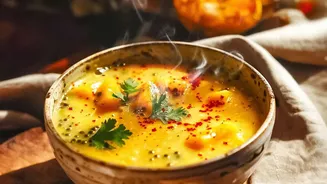
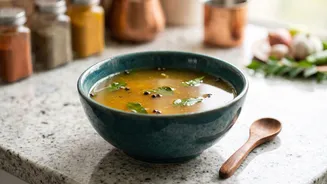
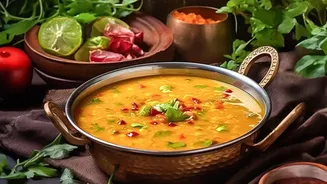
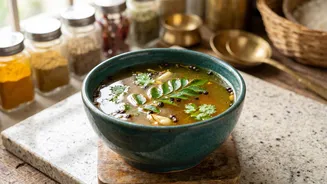
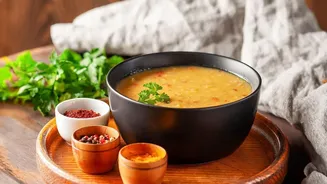
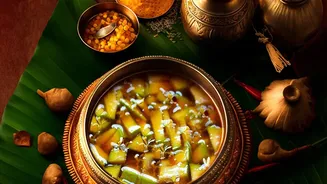
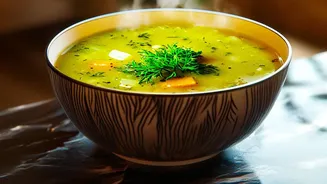
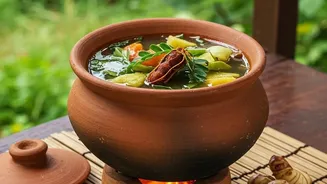
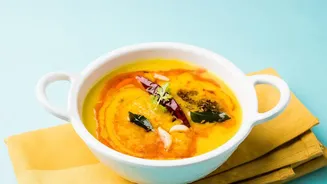
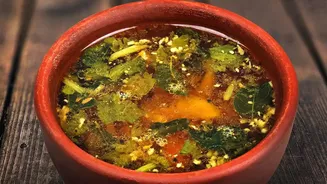
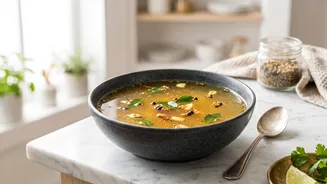
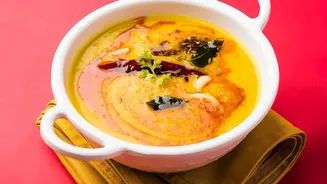
Rasam is a light, soup-like broth that is a staple in South Indian cuisine. While there are countless variations, pepper rasam, or 'milagu rasam' in Tamil, is specifically cherished during colder months and when someone is feeling under the weather. Often
compared to how 'khichdi' is viewed in North India, rasam is the go-to food for recovery, providing hydration, gentle nutrition, and soothing warmth. It can be sipped on its own like a soup or mixed with hot steamed rice for a light, digestible meal that’s easy on the system.
The Pungent Power of Pepper
The star ingredient that gives this rasam its name and much of its potency is black pepper. For centuries, traditional medicine systems like Ayurveda have used black pepper for its therapeutic properties, especially for respiratory ailments. Modern science points to piperine, the active compound that gives pepper its characteristic spicy bite. Piperine has been shown to have anti-inflammatory and antioxidant properties. More specific to flu season, black pepper acts as a natural expectorant, which may help in clearing mucus and nasal congestion. This warming spice is traditionally believed to soothe sore throats and provide relief from coughs.
The Tangy Touch of Tamarind
The signature tangy flavour of rasam comes from tamarind, a tropical fruit used extensively in South Asian cooking. The pulp, extracted from its pods, forms the sour base of the broth. Beyond its taste, tamarind has a place in traditional medicine for treating issues like fever and constipation. It is a rich source of polyphenols, which are plant compounds that act as powerful antioxidants. Antioxidants help protect the body's cells from damage caused by free radicals. Tamarind also contains essential nutrients like Vitamin C and magnesium, contributing to the overall nutritional profile of the dish and supporting immune function.
A Symphony of Spices
While pepper and tamarind are the headliners, they don't work alone. A host of other aromatic spices work in harmony to create the rasam's complex flavour and add to its wellness quotient. Cumin, often ground with the pepper, adds an earthy balance and is known to aid digestion. Garlic, another common addition, is celebrated for its natural antimicrobial and immunity-boosting properties. A final tempering, or 'tadka', in ghee or oil often includes mustard seeds and curry leaves, which not only provides a final burst of flavour but also introduces its own set of beneficial compounds.
More Than a Meal
Ultimately, the role of pepper rasam in flu season goes beyond its individual ingredients. It represents a comforting ritual, a tradition of care passed down through generations. In many households, the act of preparing rasam for a sick family member is an expression of love and a belief in the healing power of food. The warm, fluid nature of the dish ensures hydration, while the gentle spices can help stimulate a sluggish appetite, making it an ideal food for recovery. It stands as a delicious testament to the wisdom of traditional kitchens, where food is both nourishment and medicine.