



Outerwear: Your First Line of Defence
The most critical item in your bag is your rain protection. While a compact umbrella is fine for city dashes, it’s impractical on a windy trail. A high-quality, lightweight waterproof jacket or a poncho is non-negotiable. A poncho offers the advantage
of covering both you and your backpack, providing excellent airflow. A good rain jacket, preferably with sealed seams, will keep you dry without trapping sweat. This single piece of gear is what stands between a magical trek and a miserable, soaking wet experience.
Clothing: The Quick-Dry Philosophy
The golden rule of monsoon trekking is to avoid cotton. Jeans and cotton t-shirts absorb water, get heavy, and take forever to dry, leaving you cold and prone to chafing. Instead, build your wardrobe around synthetic fabrics like polyester and nylon. Pack two to three quick-dry t-shirts and a pair of quick-dry trekking pants. These materials wick moisture away from your skin and dry rapidly. Even if you get caught in a downpour, you won't stay damp for long. For evenings, which can get surprisingly chilly, a lightweight fleece jacket is a wise addition.
Footwear: Grip is Everything
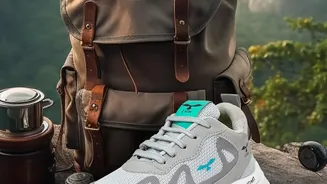
Monsoon trails are notoriously muddy, rocky, and slippery. Your regular sports shoes won’t cut it. Invest in proper trekking shoes with deep grooves for excellent grip. While fully waterproof boots might seem logical, many experienced trekkers prefer water-resistant shoes that drain easily. In constant rain, water can seep in from the top, and a waterproof membrane will trap it inside. A better strategy is to pair breathable shoes with waterproof socks. Always carry at least two extra pairs of synthetic socks to keep your feet as dry as possible and prevent blisters.
Protecting Your Gear: The Dry Bag System
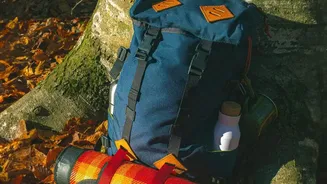
Keeping your essentials dry is paramount. Your backpack should have a reliable, waterproof rain cover, which is often included but essential to double-check. For internal organisation, use dry bags or heavy-duty plastic bags. Create a system: one bag for electronics, one for a change of dry clothes, and another for snacks and medicine. This compartmentalisation ensures that even if your main pack gets damp, your critical items remain protected. Zip-lock bags are also incredibly useful for phones, power banks, and documents, offering an extra layer of defence against moisture.
Health and Safety: Small but Mighty Essentials
The monsoon awakens not just the flora but the fauna, too. Leeches are common in the Western Ghats, so carrying anti-leech socks or a salt pouch is advisable. A basic first-aid kit is also a must-have. It should contain antiseptic wipes, bandages, pain relief spray, and any personal medications. Insect repellent is crucial, especially in the evenings. Finally, pack a headlamp or a small torch with extra batteries. It gets dark quickly in the mountains, and you don’t want to drain your phone battery using it as a light.