



An Ancient Secret, Reimagined
Long before it became a social media sensation, rice water was a cornerstone of beauty rituals across Asia. For centuries, court ladies in Japan during the Heian period were said to have used it to keep their floor-length hair healthy and lustrous. Similarly,
it’s a long-held tradition in Korea and China. The most famous example comes from the Yao women of Huangluo village in China, who are renowned for their exceptionally long, dark hair, which they credit to washing with fermented rice water. This rich history provides a powerful narrative in a beauty world often obsessed with high-tech labs and synthetic ingredients. The appeal is simple: if it has worked for centuries, there must be something to it. This return to natural, time-tested remedies is a major reason why rice water is capturing the modern imagination.
What’s Actually in the Water?
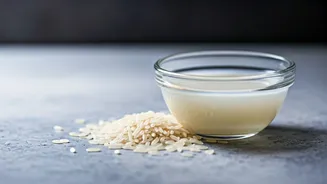
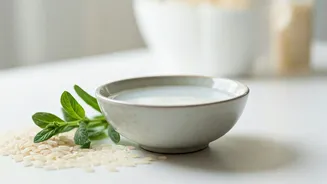
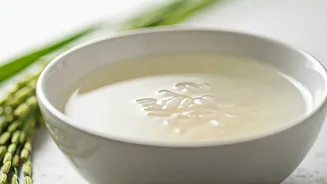
So, what makes this humble liquid so special? The answer lies in its composition. When rice is soaked or boiled, it leaches a host of beneficial nutrients into the water. The resulting milky fluid is rich in amino acids, the building blocks of protein that are essential for skin and hair health. It also contains an array of B vitamins, vitamin E, minerals, and antioxidants like ferulic acid, which helps protect the skin from environmental damage. Perhaps the most studied component is inositol, a carbohydrate that has been shown in some research to help repair damaged hair and improve skin elasticity. In essence, rice water acts as a gentle, nutrient-dense facial rinse or hair treatment, delivering a cocktail of beneficial compounds directly where they are needed.
The Soothing and Brightening Benefits
For the skin, rice water’s biggest draw is its soothing and anti-inflammatory properties. The starches present in the liquid can help calm irritated skin, making it a popular home remedy for mild sunburn, rashes, and conditions like eczema. Many users report that regular use helps to calm redness and create a more even skin tone. Furthermore, some enzymes in rice water are believed to have a slight brightening effect, helping to fade dark spots and impart a subtle glow. While it’s not a replacement for targeted treatments like vitamin C serums, it acts as a gentle, supportive player in a skincare routine. It also helps to strengthen the skin’s natural barrier, the outermost layer that protects you from pollutants and prevents moisture loss, leading to more resilient and hydrated skin over time.
How to Make Your Own at Home
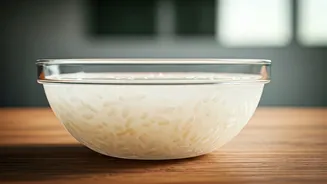
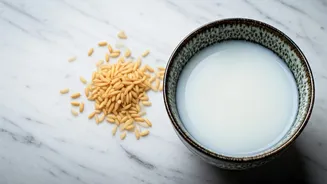
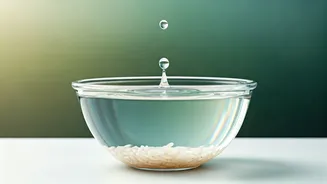
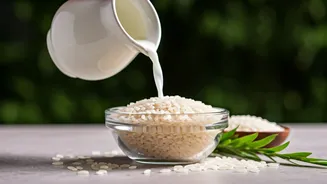
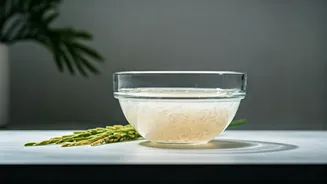
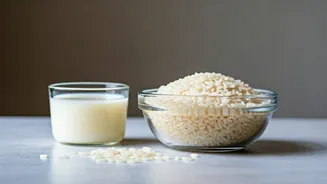
Part of rice water’s immense popularity is its accessibility. You can make it for pennies in your own kitchen. There are two popular methods: 1. **The Soaking Method:** This is the quickest way. Simply take half a cup of uncooked rice (any kind will do, but organic is often preferred), rinse it once to remove impurities, and then add 2-3 cups of water. Let it soak for at least 30 minutes, or until the water turns milky white. Swirl it around, then strain the water into a clean jar or spray bottle. 2. **The Fermented Method:** This version is believed to be more potent. Follow the same soaking process, but instead of using the water right away, let it sit at room temperature for 24-48 hours. The fermentation process lowers the pH of the water, bringing it closer to the skin's natural pH, and may enhance its antioxidant levels. Once it develops a slightly sour smell, it's ready. You can boil it briefly to stop fermentation before storing it in the fridge for up to a week.
Things to Know Before You Try It
While generally safe, rice water isn’t a one-size-fits-all solution. For some, particularly those with very dry skin, the starchy liquid can feel slightly tightening or drying if left on for too long. It's best used as a rinse-off treatment or followed immediately with a moisturiser. For hair, the high protein content can be a double-edged sword. While it strengthens many hair types, those with low-porosity or protein-sensitive hair might find that it leads to stiffness and brittleness over time. The key is to start slow—perhaps once a week—and see how your skin and hair react. As with any new product, performing a patch test on a small area of skin first is always a wise decision to rule out any potential irritation.