



From the Home Kitchen to Haute Cuisine
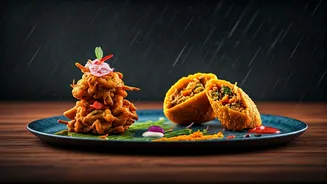
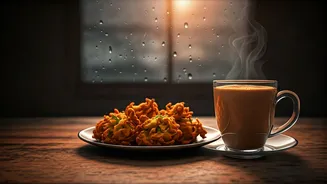
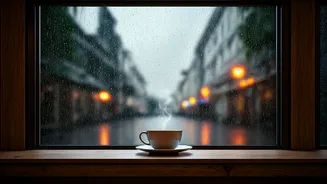
The monsoon in India is a season of emotions, and its food is deeply intertwined with memory and comfort. For generations, the pitter-patter of raindrops has been the soundtrack to enjoying crispy pakoras, steaming samosas, and roasted bhutta. These aren't
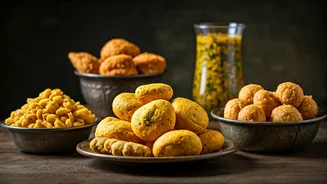
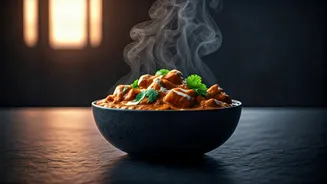
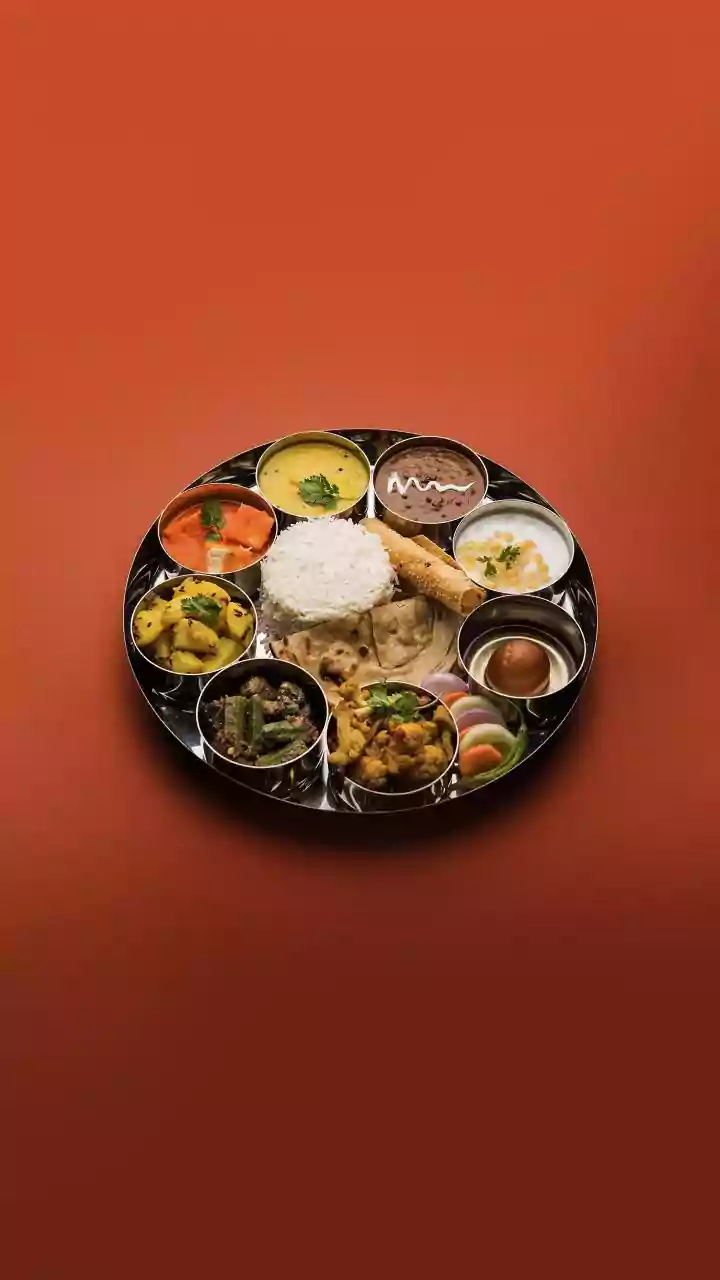
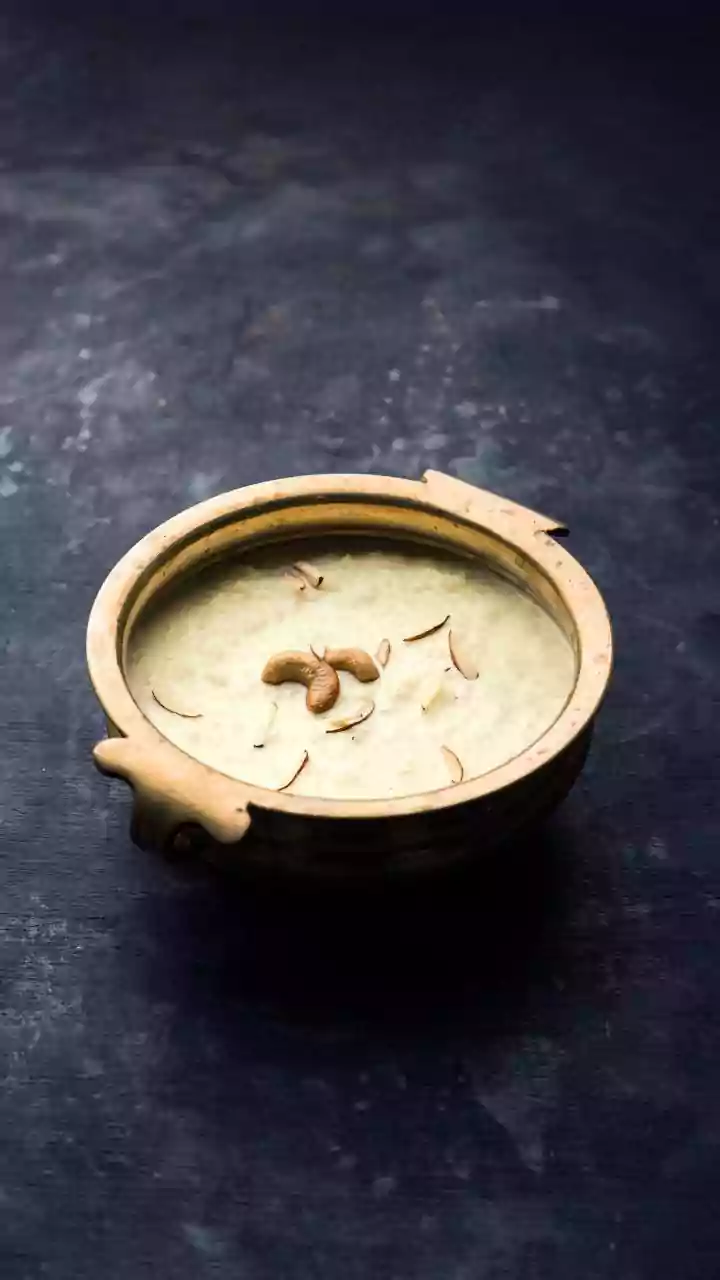
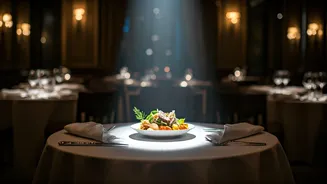
just snacks; they are traditions. This season, chefs and restaurateurs are tapping into that powerful nostalgia, taking these humble, home-style dishes and giving them a sophisticated makeover. The food we've always loved is now appearing on fine-dining menus, transforming familiar comforts into premium experiences. This trend isn't about replacing the original, but celebrating it by applying modern techniques and high-quality ingredients to flavours that feel like a warm hug.
The Irresistible Power of Nostalgia
So, why is the simple pakora suddenly going gourmet? The answer lies in our collective craving for authenticity. In a world of fleeting food fads, there's a growing appreciation for dishes with a story. These monsoon classics connect us to our childhood, to family gatherings, and to a shared cultural experience that transcends generations. Chefs are recognising that true luxury isn't always about exotic ingredients; it's about emotion and connection. By elevating a dish like khichdi or vada pav, they are not just selling food, but a feeling of homecoming. This 'nostalgia marketing' has proven to be a powerful tool, as diners are increasingly drawn to foods that offer both comfort and a sense of cultural pride.
What's on the Premium Monsoon Plate?
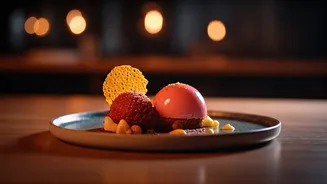
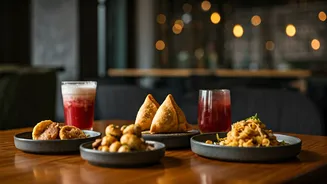
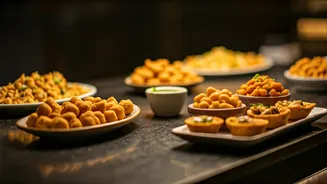
The innovation is in the details. A simple onion bhaji might be reimagined as a fritter basket with multiple chutneys. Classic pakoras are getting fillings like truffle mushroom or are made with healthier flours like ragi and jowar. In Delhi, chefs are serving jamun pakoras and elevating khichdi into tasting menus. In Mumbai, a special monsoon menu at one establishment features a 'Chai Bhajia Platter', while another offers a street food festival with classics like Vada Pav and Samosa Chaat served with a view of the sea. Even street-side corn, or bhutta, is being reinterpreted as char-grilled corn ribs with spiced butter. It's the same soul, just dressed in a fancier outfit.
More Than Just a Seasonal Gimmick
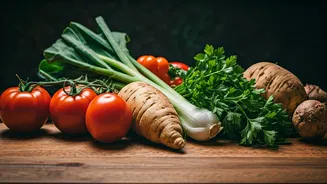
While serving monsoon-specific menus is a clever business move to attract diners during a season that can see a dip in footfall, the trend signifies a deeper shift in India's culinary landscape. It shows a growing confidence in our own regional and home-style cuisines. Restaurants are no longer looking only to the West for inspiration but are finding it in their own backyards and family kitchens. This movement also champions local, seasonal produce, with menus featuring monsoon-specific ingredients like wild mushrooms, leafy greens, and stone fruits like jamun. This focus on hyper-seasonal ingredients is not only sustainable but also ensures that the food tastes of the season, creating a dining experience that feels both current and timeless.