








A Festival Across an Entire District
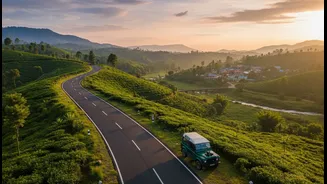
This July, the hills, lakes, and valleys of Assam’s Dima Hasao district are transforming into a sprawling cultural corridor for the Dima Hasao Ethnic Fest. Unlike traditional festivals concentrated in a single location over a few days, this event runs
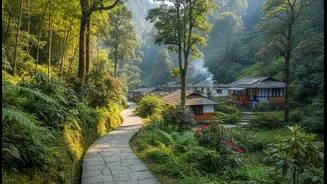
for a full month, with celebrations hosted every Friday and Saturday across four different scenic tourist destinations. Organized by the Dima Hasao Autonomous Council (DHAC), the festival kicked off on July 10 at Haflong Lake, with subsequent events planned for the 'I Love Dima Hasao' viewpoint in Jatinga, the golf course in Umrangso, and a concluding grand finale at the Hayam resort area at the beginning of August. The core mission is to showcase the rich tapestry of the district's indigenous traditions—from music and dance to cuisine and crafts—while promoting Dima Hasao as a prime eco-tourism destination.
Safety by Design, Not by Accident
The headline-grabbing aspect of the festival is its innovative structure. By distributing the celebrations over four weekends and four separate venues, the organisers have inherently designed a system that manages crowds effectively. Instead of a single, massive influx of people that can strain infrastructure and create safety risks, the flow of visitors is naturally spread out. This decentralised approach prevents the dangerous bottlenecks and overcrowding that often plague major cultural events. While the primary stated goal is tourism promotion, this distributed model serves as a practical, real-world example of how to ensure public safety without diminishing the festive spirit. It allows for a more relaxed and immersive experience for attendees, who can explore different parts of the beautiful district without feeling rushed or overwhelmed.
More Than a Model, an Economic Lifeline
The benefits of this month-long, multi-venue format extend far beyond crowd control. DHAC tourism chairperson Joshringdao Phonglo emphasised that a key goal is to provide a robust platform for local entrepreneurs, artisans, self-help groups, and performers. By holding events in different locations, the festival brings economic opportunities directly to a wider range of communities. Local vendors in Haflong, Jatinga, and Umrangso all get a chance to benefit from the tourist footfall, rather than the economic activity being concentrated in a single town. This approach helps distribute revenue more equitably and fosters sustainable, community-led tourism. It empowers small businesses and artisans by giving them a market to sell their products and showcase their skills, creating a ripple effect that can boost the local economy throughout the peak holiday season.
A Blueprint for the Future?
The question is whether the Dima Hasao Ethnic Fest's approach can be replicated elsewhere. The model seems particularly well-suited for regions with multiple points of interest that want to promote tourism without being overwhelmed. The success of this festival relies on coordinated planning by a body like the DHAC and the distinct appeal of each location. For other festival organisers, the key takeaway is the principle of decentralisation. Instead of scaling up at a single site, scaling out across multiple smaller, interconnected events could be the future. This approach not only enhances safety and sustainability but also enriches the visitor experience, turning a single event into a regional journey of discovery. It encourages visitors to stay longer and explore more, which is the ultimate goal of any tourism-focused initiative. As organisers across the country look for smarter ways to manage large-scale events, Dima Hasao's celebration might just offer the blueprint they need.